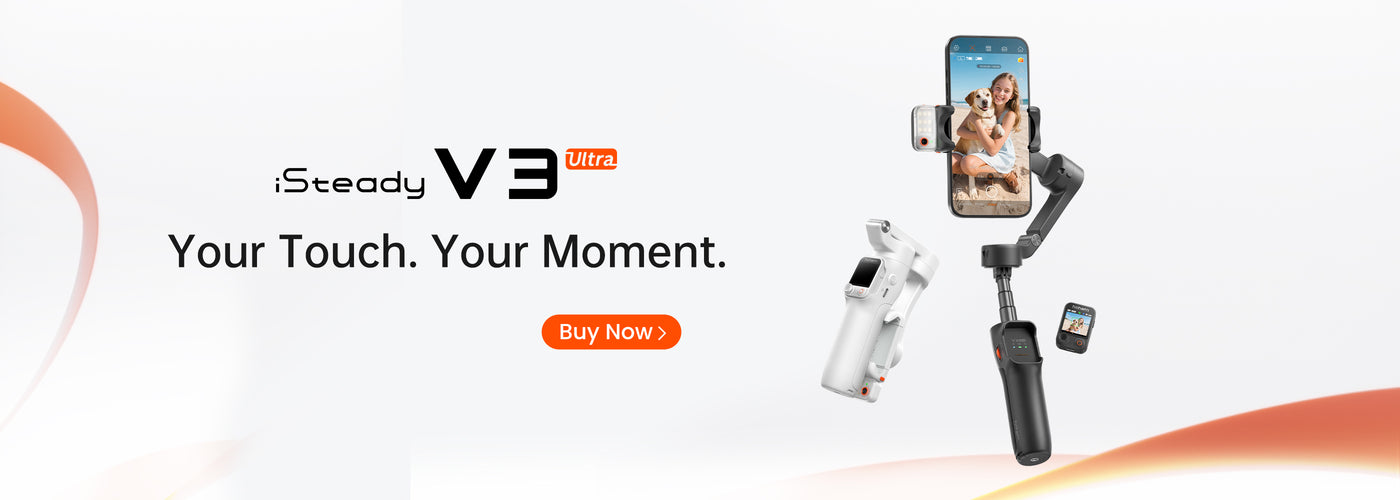
In the rapidly evolving world of aerial photography, capturing breathtaking images and smooth video footage from a drone can be a challenge. If you want to elevate your work from simply good to simply breathtaking, investing in a high-quality camera gimbal is essential. In this blog post, we will explore the best drone camera gimbals on the market today, explain their benefits, and help you understand how they can improve your aerial photography. So, buckle up as we navigate the skies of drone gimbals!

Understanding the Importance of Gimbals

A camera gimbal stabilizes your drone's camera, reducing the effects of vibrations and movements during flight. When flying in windy conditions or executing quick maneuvers, a gimbal helps ensure that your footage remains smooth and professional-looking. This is particularly important for establishing shots, cinematic cinematic sequences, or capturing fast-moving subjects.

Types of Drone Camera Gimbals

There are primarily two types of gimbals: 2-axis and 3-axis. The following explains the differences:

  • 2-Axis Gimbals: These stabilizers can effectively reduce pitch and roll movements but lack stabilization for yaw, which can still lead to shakiness in certain situations. They are generally simpler and less expensive.
  • 3-Axis Gimbals: The preferred choice for professionals, these gimbals provide stabilization for pitch, roll, and yaw. This versatility ensures ultra-smooth footage, even in tricky flying conditions, making it the go-to option for serious enthusiasts and professionals.

Top Drone Camera Gimbals of 2025

1. DJI Ronin-S

The DJI Ronin-S is known for its exceptional stability and is designed for DSLR and mirrorless cameras. With a maximum payload of 3.6 kg, it delivers smooth and professional stabilization in its compact design. The intuitive controls and built-in modes like 'ActiveTrack,' 'Force Mobile,' and 'Time-lapse,' make it a standout choice.

2. Zhiyun Crane 3 Lab

For those looking for extreme versatility, the Zhiyun Crane 3 Lab offers heavy lifting capabilities and can carry cameras weighing up to 4.5 kg. Equipped with the TransMount Image Transmission System, it seamlessly allows you to view your camera feed from a distance - a game changer for capturing complex shots.

3. FeiyuTech AK2000

FeiyuTech's AK2000 is designed with practicality and user-friendliness in mind. This 3-axis gimbal features an impressive payload capacity of 2.2 kg, making it suitable for a wide variety of camera models. Its ergonomic design ensures comfortable handling, and the various modes allow for flexibility in shooting styles.

4. Moza AirCross 2

Moza AirCross 2 is an ultra-lightweight gimbal yet surprisingly powerful. It provides an extensive operational time of up to 12 hours and can accommodate a diverse range of cameras. With its unique shooting modes, this gimbal is perfect for users who prioritize creativity in their aerial photography.

5. Benro 3XS

If you need a gimbal that can accommodate smartphones along with compact cameras, the Benro 3XS is an excellent fit. It features advanced stabilization technology and can be easily controlled via your mobile device. This makes it a favorite for vloggers and social media content creators seeking mobility and ease of use.

Choosing the Right Gimbal for Your Needs

When deciding on the ideal gimbal for your drone, several factors come into play:

  • Camera Weight: Make sure your gimbal of choice can effectively support your camera's weight without compromising stability.
  • Flight Conditions: Evaluate where you plan to fly your drone. If shooting in windy environments, opt for a gimbal offering superior stabilization capabilities.
  • Control Features: Some gimbals provide more advanced control features that can ease operation and enhance shooting versatility—consider what features you will benefit from most.
  • Budget: While it’s tempting to opt for the most expensive model on the market, ensure that your gimbal of choice fits within your budget and meets all your essential needs.

Maintaining Your Gimbal

Like any piece of equipment, maintaining your gimbal is crucial to ensuring it lasts a long time and performs optimally. Follow these tips for care:

  • Regularly inspect the hardware for any signs of wear and tear, tightening screws as necessary.
  • Keep the gimbal clean and free of dust and debris, especially around the motorized parts.
  • Store it safely when not in use to prevent damage from impact or exposure to the elements.

Utilization Techniques for Stunning Footage

In addition to having a great gimbal, understanding how to use it effectively is key to capturing stunning aerial shots. Here are a few techniques to consider:

  • Slow Movements: Smooth, slow movements generally result in more cinematic footage. Avoid erratic movements as they can disrupt stabilization.
  • Composing your Shots: Just like with traditional photography, composition is significant. Make sure you frame your shots deliberately, leveraging leading lines or the rule of thirds.
  • Combine with Drone Movements: Use your drone's capabilities in tandem with your gimbal techniques; for example, combining yaw, pitch, and gimbal adjustments can achieve incredible creative shots.

Future Trends in Drone Camera Gimbals

As technology continues to evolve, so too do the gimbals. Future trends indicate that we may see:

  • AI Integration: The integration of artificial intelligence for automatic balancing and more intuitive operation may become standard.
  • Improved Durability: Continued advancements in materials could lead to exponentially stronger and lighter gimbals, enhancing portability.
  • Smart Connectivity: The potential for enhanced connectivity features could allow for more seamless interaction between your gimbal, drone, and camera.

As we explore the vast sky of possibilities with drone photography, choosing the right camera gimbal is a pivotal step towards achieving that professional touch. With an investment in the right equipment and knowledge of best practices, the skies truly are the limit for capturing stunning visuals.