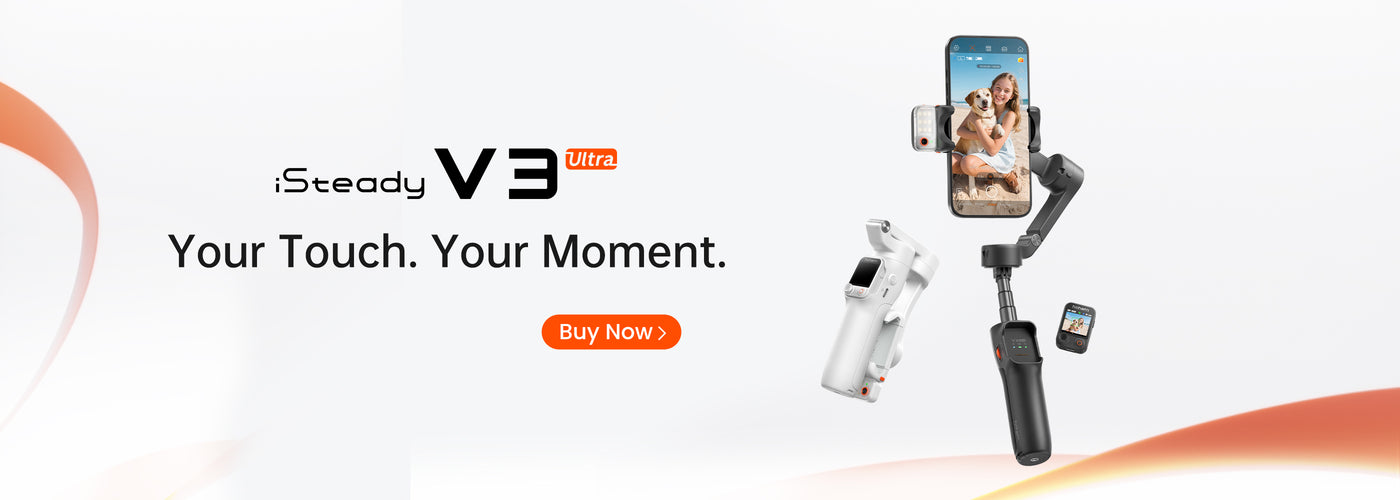
In the fast-paced world of photography and videography, stability is paramount. Whether you're capturing breathtaking landscapes, dynamic sports scenes, or heartfelt moments at a wedding, a camera shake can detract from the quality of your work. Enter the gimbal holder—a game-changing tool in the arsenal of anyone serious about getting that perfect shot. In this guide, we will explore the various types of gimbal holders, how they work, and why they are essential for your creative endeavors.

What is a Gimbal Holder?

A gimbal holder is a device that allows your camera to remain steady while you move. It uses motors and sensors to counteract any unwanted movements, thereby ensuring smooth and stabilized footage. This is particularly useful in video production, where shaky footage can ruin an otherwise great shot. The technology behind gimbal holders has advanced significantly in recent years, making them more accessible and user-friendly for aspiring creators.

Types of Gimbal Holders

When it comes to choosing a gimbal holder, several types are available, each catering to different needs and styles of shooting. Here’s a quick overview of the main types:

1. Handheld Gimbal Stabilizers

Handheld gimbals are the most common type and are incredibly versatile. They allow for free movement, enabling videographers to shoot at various angles without compromising stability. Whether you're walking, running, or even riding a bike, these gimbals will keep your camera steady for smooth footage.

2. Gimbal Supports for Drones

If aerial photography is your thing, gimbal supports for drones are essential. They counteract drone movements, ensuring that the footage captured is both steady and professional-looking. With advancements in drone technology, the integration of gimbal systems has become standard, allowing pilots to focus on capturing the perfect shot without worrying about stability.

3. Smartphone Gimbals

For those who prefer shooting on their smartphones, dedicated smartphone gimbals offer an excellent solution. They are compact, lightweight, and designed specifically to optimize the stabilization of phones. With features like object tracking and panoramic shooting, these gimbals allow casual photographers to capture high-quality footage effortlessly.

4. Gimbal Tripods

Gimbal tripods combine the stability of a traditional tripod with the added benefits of a gimbal. These are particularly useful for filming static shots that require smooth pans or tilts. With the ability to adjust positions easily, gimbal tripods offer creativity in shooting angles while maintaining impeccable stability.

Benefits of Using a Gimbal Holder

Understanding the advantages of using a gimbal holder can help elevate your photography and videography skills:

1. Smooth Footage

The primary benefit of a gimbal holder is its ability to provide smooth footage. By using motors to counteract movements, even the shakiest hand-held footage can be transformed into cinematic quality.

2. Increased Creativity

With a gimbal, you can experiment with different shooting techniques without worrying about stability. It allows for creative shots, like automated pans, tilts, and tracking shots, broadening your creative horizons.

3. Lightweight and Portable

Many gimbal models are designed to be lightweight and portable, making them easy to carry on any shoot. This is especially important for travel photographers and videographers who scale back on equipment for convenience.

4. Enhanced Control

Modern gimbals come with features like joystick control and smartphone integration, giving you direct control over your gimbal’s movements. This functionality allows for precise shots, enhancing the overall quality of your content.

Choosing the Right Gimbal Holder

Deciding on the right gimbal for your needs can hinge on several factors:

1. Weight Capacity

Check the weight capacity of the gimbal to ensure it can handle your camera setup, including any additional gear like lenses or microphones.

2. Battery Life

A longer battery life translates into longer shooting sessions without interruptions. Consider your shooting habits and choose a gimbal with a battery life that suits your needs.

3. Ergonomics

Since gimbals can be handheld for long periods, ergonomic design is crucial for comfort. Look for models with padded grips and adjustable lengths to cater to your shooting style.

4. Features

Evaluate the features offered by different gimbals. Some advanced models may include options like motion time-lapse, customizable modes, and app integration for added functionality.

Best Practices for Using a Gimbal Holder

To maximize the effectiveness of your gimbal, consider these best practices:

1. Balance Your Setup

Properly balancing your camera on the gimbal is essential for optimal performance. Follow the manufacturer’s guidelines to achieve the best balance.

2. Practice Different Movements

Take time to practice moving with the gimbal. Try various speeds and angles to understand how the camera responds and creates footage.

3. Utilize Different Modes

Most gimbals come with different operational modes (e.g., follow mode, lock mode). Experiment with these to see which suits your shooting scenarios best.

4. Keep It Steady

While gimbals stabilize movements, sudden jerky motions can still result in unwanted shake. Keep your movements smooth and deliberate.

The Future of Gimbal Holders

As technology continues to evolve, so does the design and functionality of gimbal holders. With advancements like AI tracking, integration with augmented reality, and enhanced lightweight materials, the future is bright for creators. Emerging trends suggest the inclusion of more smart features that simplify the shooting process and expand creative possibilities.

In summary, a gimbal holder is an essential tool for any serious photographer or videographer looking to elevate their work. By understanding the types of gimbals available, the benefits they provide, and best practices for usage, you can significantly improve your content's quality and creativity. So whether you're an amateur enthusiast or a seasoned pro, investing in a gimbal is a step towards capturing the world around you with unparalleled clarity and style.