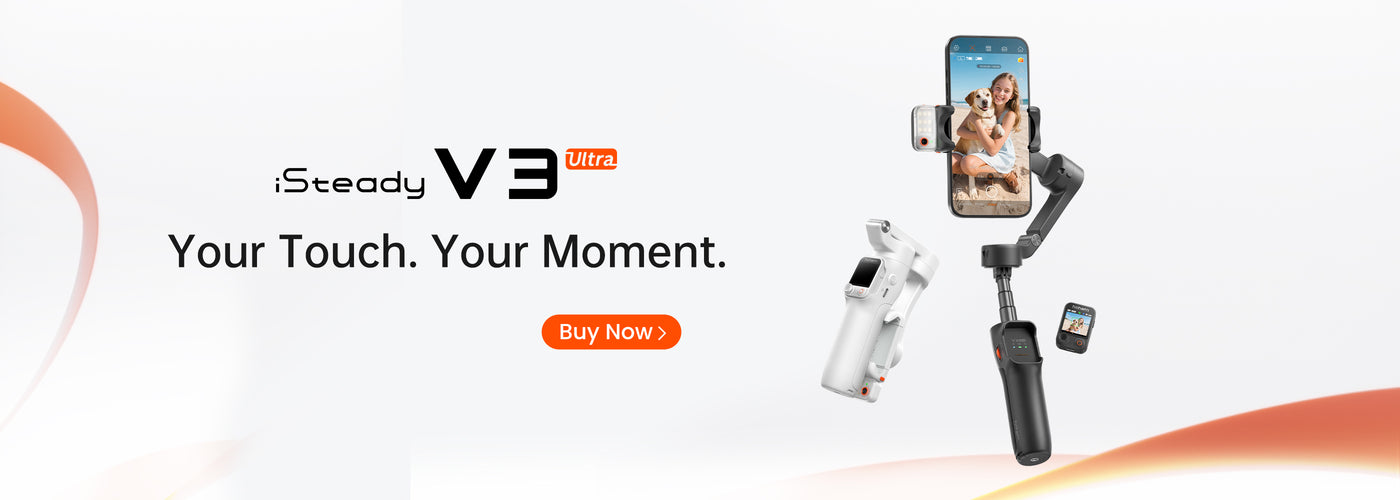
In the realm of advanced technology, aerotech gimbals are rapidly becoming a pivotal component in various industries, including aerospace, robotics, and cinematography. These precise control devices provide stabilization and orientation for cameras, sensors, and other equipment, ensuring that they function optimally regardless of the environment. As we delve deeper into aerotech gimbal technology, it's essential to understand its applications, advantages, and future developments.

What is an Aerotech Gimbal?

A gimbal is a pivoted support that allows rotation of an object about a single axis. In aerotech applications, gimbals are designed with multiple axes of movement to achieve higher degrees of stabilization. This enables them to compensate for movement and vibrations, resulting in smoother operation in dynamic environments. Whether it's an aerial drone capturing breathtaking landscapes or a film crew shooting in challenging conditions, gimbals play a key role in achieving flawless imagery.

Applications of Aerotech Gimbals

The versatility of aerotech gimbals has led to their adoption in numerous sectors:

  • Aerospace: In aviation, gimbals are instrumental for stabilization in various flight instruments and cameras used for reconnaissance and surveillance.
  • Robotics: Autonomous robots utilize gimbals to enable accurate positioning of sensors and cameras, which aids in navigation and environmental interaction.
  • Cinematography: Filmmakers employ gimbals to capture cinematic shots without the interference of camera shake, thereby improving production quality.
  • Virtual Reality: Gimbals are used in VR setups to provide an immersive experience by tracking head movements accurately and responsively.

The Advantages of Aerotech Gimbals

There are several benefits to using aerotech gimbals, which can significantly enhance performance across various applications:

  • Enhanced Stability: Gimbals greatly reduce unwanted camera movements, leading to higher quality images and videos.
  • Improved Precision: The precision of gimbal systems allows them to maintain focus on moving targets, which is essential in both military and creative settings.
  • Flexibility: Aerotech gimbals can be used in diverse environments, from rigorous outdoor settings to controlled indoor filming, making them a flexible choice for many workflows.
  • Reduced Operator Fatigue: With automation features, gimbals lessen the physical demands on operators, allowing them to concentrate on creative aspects instead of technical challenges.

The Evolution of Gimbal Technology

The technology behind gimbals has evolved from simple manual stabilizers to complex electronic systems integrated with sophisticated sensors and algorithms. Recent advancements include:

  • Brushless Motors: These provide high torque with minimal noise, significantly improving performance during high-speed operations.
  • Real-Time Feedback Systems: Gimbals now incorporate sensors that offer real-time data to adjust stability parameters, creating an almost instantaneous response to movement.
  • AI Integration: Some modern gimbals feature artificial intelligence that can predict movements based on user patterns, enhancing the smoothness of camera operation.

Future Trends in Aerotech Gimbal Development

Looking ahead, several trends are expected to impact the evolution of aerotech gimbals:

1. Miniaturization

As technology advances, we can expect to see more compact, lightweight gimbals designed for use with smaller cameras and drones without sacrificing performance.

2. Increased Automation

Automation is set to play a significant role in gimbal technology. Future models may come equipped with advanced features such as auto-calibration and tracking capabilities that require minimal user input.

3. Enhanced Connectivity

With the rise of IoT (Internet of Things), gimbals are likely to feature better connectivity options, allowing seamless integration with smart devices and applications for remote management.

4. Advanced Training and Support Tools

As gimbal technology becomes more complex, manufacturers may offer enhanced training tools, including AR (Augmented Reality) applications to help users understand and master their equipment.

Challenges Facing the Aerotech Gimbal Industry

Despite the impressive advancements in aerotech gimbal technology, several challenges remain:

  • Cost: High-quality gimbal solutions can be expensive, limiting access for some users and organizations.
  • Learning Curve: The complexity of modern gimbals can be daunting for new users, necessitating comprehensive training and support.
  • Environmental Factors: Gimbals are sensitive to conditions such as extreme temperatures and humidity, which can impact performance.

The Role of SEO in Promoting Gimbal Technology

For manufacturers and content creators in the aerotech sector, SEO (Search Engine Optimization) is critical for reaching target audiences. Creating high-quality, keyword-rich content about gimbal technology not only helps with visibility on search engines but also educates potential customers about products. Incorporating relevant keywords such as “aerotech gimbals,” “camera stabilization,” and “gimbal technology advancements” can significantly improve online presence.

Getting Involved in the Gimbal Community

Whether you're a filmmaker, drone enthusiast, or a professional in the aerospace sector, engaging with the gimbal community can provide valuable insights and opportunities. Online forums, social media groups, and local meetups are excellent platforms for sharing experiences, learning from peers, and staying updated with the latest technological developments.

Final Thoughts

Aerotech gimbals have transformed how we capture and stabilize imagery across various industries. With continual advancements and a robust community backing innovation, the future of gimbal technology looks exceptionally bright. As we continue to explore and embrace these developments, one thing is clear: gimbals are more than just tools; they are the secret to unlocking creativity and precision in dynamic environments.