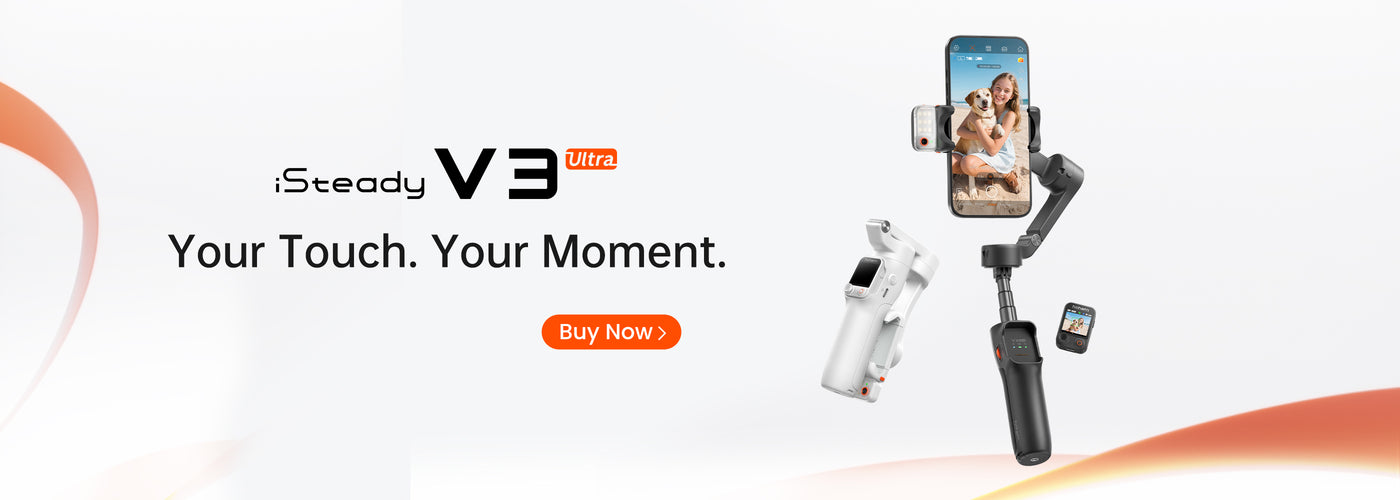
In the dynamic world of filmmaking and content creation, achieving smooth, steady shots is paramount. Whether you are a professional videographer, a passionate vlogger, or someone experimenting with cinematic captures, using a gimbal stabilizer is an excellent choice to enhance your video quality. However, pairing your gimbal with the right camera is crucial for maximizing stability and performance. This article will explore some of the best cameras compatible with gimbals and provide guidance on what to look for when making your selection.

What Makes a Camera Ideal for Gimbals?

Before diving into the best camera options available, it’s essential to understand what characteristics make a camera suitable for use with a gimbal. Here are some critical factors to consider:

  • Weight: The camera needs to be lightweight yet durable. This balance is necessary, as heavyweight cameras can overwhelm the gimbal, leading to reduced effectiveness.
  • Size: A compact camera is easier to manage on a gimbal and doesn't take up too much space.
  • Lens Options: Interchangeable lens cameras offer flexibility, allowing you to adapt to various shooting scenarios, from wide-angle landscapes to tight close-ups.
  • Image Stabilization: While gimbals are designed to stabilize shots, having in-body image stabilization (IBIS) in a camera can further improve footage quality.
  • Video Capability: Look for cameras that shoot in high resolution (such as 4K) and support various frame rates for maximum versatility.

Top Cameras for Gimbal Use

1. Sony A7 III

The Sony A7 III is a versatile option frequently recommended for its remarkable video quality and impressive autofocus system. Its combination of a full-frame sensor and IBIS makes it a top contender when shooting with a gimbal. The camera is lightweight, making it easy to handle on a gimbal, and it records in 4K, capturing stunning details that your audience will appreciate. The A7 III's diverse lens options also provide flexibility in achieving the perfect shot.

2. Panasonic Lumix GH5

If you’re in pursuit of a camera tailored for video, the Panasonic Lumix GH5 is a solid choice. Known for its exceptional video capabilities, the GH5 supports 4K recording at high bit rates, ensuring excellent image quality. With its Micro Four Thirds sensor, it yields a compact body, which is perfect for mounting on a gimbal. Its in-body stabilization also pairs excellently with gimbals, effectively eliminating any vibrations or shakes.

3. Canon EOS R

The Canon EOS R is an outstanding mirrorless option that combines great user experience with powerful capabilities. Equipped with a full-frame sensor and Canon's Dual Pixel autofocus, the EOS R captures sharp, vibrant videos. It's relatively lightweight and works well with a range of RF and EF lenses, enabling you to select just the right lens for your shoot.

4. Fujifilm X-T4

The Fujifilm X-T4 stands out not just for its classic style but also for its robust performance. This camera features 5-axis IBIS, ensuring your footage remains smooth, even in moving conditions. The X-T4 records 4K video with excellent color science, which is a significant advantage for filmmakers looking to reduce the amount of editing required after a shoot. Its compact size makes it a suitable candidate for gimbal use.

5. DJI Pocket 2

For those who prefer an all-in-one solution, the DJI Pocket 2 is an innovative compact camera with a built-in 3-axis gimbal. It delivers high-quality 4K video and is incredibly portable, making it ideal for capturing spontaneous moments. While it may not offer the same versatility as interchangeable lens cameras, its user-friendly design ensures you can start filming right out of the box.

Key Features to Look for in a Gimbal

When you invest in a camera for gimbal use, pairing it with the right stabilizer is equally important. Here are some features to consider when selecting a gimbal:

  • Payload Capacity: Ensure the gimbal can easily support the weight of your camera and any additional gear you intend to use.
  • Battery Life: Look for gimbals with extended battery life so you won't need to worry about recharging during critical shooting moments.
  • Ergonomics: A well-designed gimbal with a comfortable grip will make it easier to operate for extended periods.
  • Features: Some gimbals offer advanced features such as follow focus, object tracking, and different shooting modes that can enhance your filmmaking experience.

Tips for Using Cameras with Gimbals

Maximizing your gimbal's performance involves more than just selecting the right camera. Here are practical tips to elevate your shooting experience:

  • Balance Your Setup: Before operating the gimbal, ensure your camera is perfectly balanced. This step is crucial to achieving smooth footage and sustaining the gimbal’s motors.
  • Keep the Gimbal Updated: Regularly check for firmware updates to ensure optimal performance and access to the latest features.
  • Experiment with Settings: Gimbals often come with different modes and settings. Take time to experiment to find what works best for your shooting style.
  • Practice: Mastering the use of a gimbal may take some practice. Familiarize yourself by shooting different types of movements and speeds.

Conclusion

Selecting the right camera for your gimbal can significantly enhance the quality of your videography. By focusing on weight, video capabilities, and the overall functionality of both your camera and gimbal, you can create engaging, smooth footage that captivates your audience. As you explore your options, remember that each filmmaker has unique needs, and the best choice ultimately aligns with your style and shooting preferences.