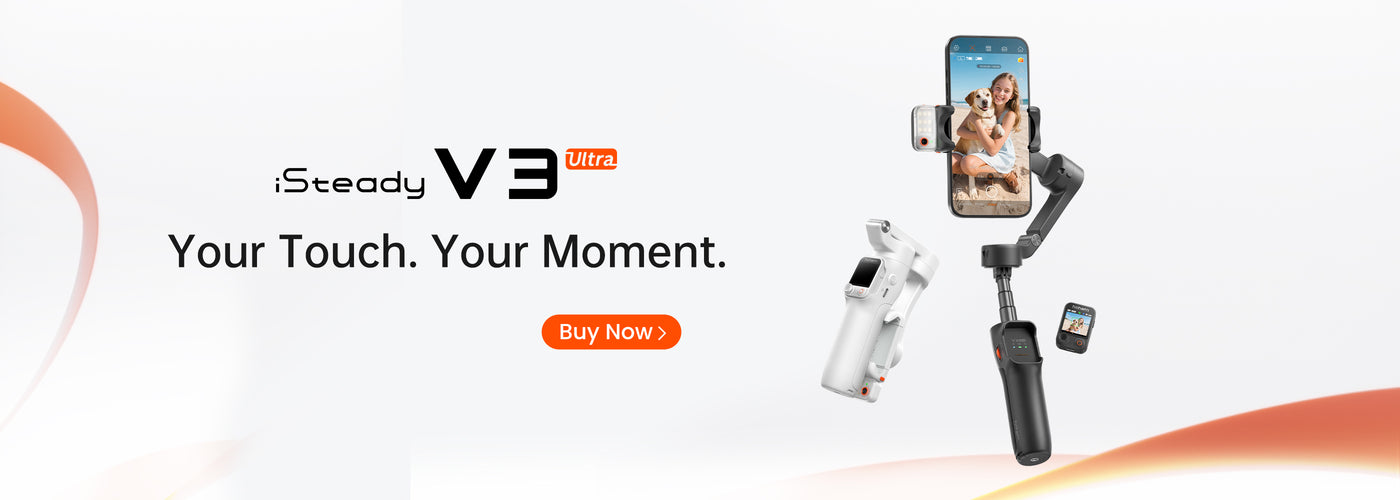
In the world of mobile photography and videography, the importance of capturing stable and high-quality footage cannot be overstated. With the rise of social media platforms and the demand for engaging video content, smartphone manufacturers have developed advanced camera stabilizer technology. This article delves into how camera stabilizers work in phones, their significance, and the different types available today.

The Shift to Mobile Videography

Gone are the days when professional cameras were a necessity for videography. Today, smartphones come equipped with powerful cameras capable of recording in high resolution, making them ideal for capturing moments on the go. However, shaky hands can thwart the best intentions of budding filmmakers. This is where camera stabilizers come into play.

Understanding Camera Stabilization

Camera stabilization refers to the systems and techniques used to minimize blurring and unwanted movements during photo and video recording. This technology allows users to obtain smoother, more visually appealing footage when shooting handheld. Phone manufacturers have integrated various types of stabilization to ensure an optimal shooting experience:

  • Electronic Image Stabilization (EIS): This software-driven approach uses algorithms to analyze the movements of the camera and compensate for them by cropping the image and adjusting the frame. EIS can work wonders in stabilizing videos but may lead to a slight reduction in image quality due to cropping.
  • Optical Image Stabilization (OIS): This hardware-based solution involves the physical movement of the camera lens or sensor to counteract vibrations and shocks. OIS is particularly effective for still photography and can greatly enhance the quality of low-light shots.
  • Gimbal Stabilization: A popular choice among professional videographers, gimbals use motors and sensors to automatically counteract motion. These devices are typically external attachments but can be found integrated into some smartphones for enhanced stability.

How Electronic Image Stabilization Works

In modern smartphones, EIS is increasingly popular due to its cost-effectiveness and ability to deliver improved video stability with little additional hardware. Let's break down how EIS functions:

1. Motion Sensing

Smartphones are equipped with accelerometers and gyroscopes that detect motion. These sensors measure the direction and intensity of vibrations and movements that the device may experience while recording.

2. Frame Analysis

As video is being captured, the EIS software takes snapshots of each frame. It continuously analyzes these frames to identify displacement caused by hand movement or instability.

3. Compensation

Upon identifying unwanted movements, EIS compensates by cropping the edges of the frames. This allows the software to digitally shift the video content so that any erratic movements are minimized, resulting in smooth playback.

4. Real-Time Processing

Real-time processing is crucial for seamless EIS. The smartphone’s processor continually monitors the video feed, adjusting frames rapidly to ensure that the footage maintains high visual quality.

The Role of Optical Image Stabilization

While EIS is effective, many smartphones also include OIS for an added layer of stabilization. OIS works differently than EIS, relying on physical mechanisms:

1. Lens Adjustment

OIS typically involves the use of specially designed lens elements that can physically shift. This adjustment occurs to counteract any vibrations experienced by the smartphone while capturing video.

2. Sensor Movement

In some models, the camera sensor itself can shift to counteract motion. This is especially common in higher-end smartphones where manufacturers focus heavily on camera performance.

3. Enhanced Low-Light Performance

OIS is particularly beneficial in low-light conditions. By stabilizing the image, OIS allows for longer exposure times without capturing motion blur, resulting in brighter and clearer photos and videos.

Gimbals: The Professional’s Choice

For serious videographers, external gimbals often provide the highest degree of stabilization. These handheld devices feature multiple axes for complete motion control. Let’s explore how gimbals function:

1. Multi-Axis Stabilization

Gimbals utilize a series of motors and sensors to detect movement along multiple axes—typically pitch, roll, and yaw. This means that as you move the camera, the gimbal automatically adjusts its position to counteract unwanted shake.

2. Battery-Powered and Durable

Most gimbals are battery-powered, allowing for extended sessions without needing constant recharging. They are designed to be lightweight yet durable, ensuring that they can withstand the rigors of outdoor filming.

3. Compatibility and Versatility

Many gimbals are designed to support a wide range of smartphone models, making them versatile tools for filmmakers. Additionally, they often come with various mounting options for accessories, such as microphones or lights, providing an all-in-one solution for mobile production.

Choosing the Right Stabilization Method

When considering the best method of stabilization, it’s essential to evaluate your shooting style and requirements. For casual shooters, EIS may suffice, providing decent results without any additional equipment. However, for more serious videographers, investing in OIS smartphones or external gimbals is advisable for enhanced stability and quality.

Best Practices for Using Stabilization Features

Regardless of the stabilization method, there are several best practices that can help you achieve the best results:

  • Hold Steady: Even with stabilization, try to hold your phone as steady as possible. Use both hands for better grip.
  • Use a Tripod or Gimbal: For extended shots, consider using a tripod or gimbal to optimize stability.
  • Understand Your Smartphone’s Features: Familiarize yourself with the stabilization capabilities of your smartphone to maximize use during shooting.
  • Practice Smooth Movements: When filming, make your movements as smooth and fluid as possible to complement the stabilization technology.

With advancements in camera technology and stabilization systems, capturing high-quality, stable footage with smartphones has never been easier or more accessible. Understanding how these systems work—and implementing best practices for their use—can elevate any content creator’s work to new heights.