The world of photography and videography has undergone a revolutionary transformation in the past decade. One of the most significant advancements is the introduction of camera stabilizers, which have become essential tools for both amateur and professional content creators. But how exactly does a camera stabilizer work? In this article, we will explore the mechanics behind these impressive devices, the different types available, and their impact on the quality of your footage.

Understanding Camera Stabilization

At its core, a camera stabilizer aims to reduce unwanted movements, ensuring that your footage is smooth and stable. Unintentional shakes and jitters that occur while filming can significantly detract from the final product, making stabilization a crucial aspect of video production. Stabilizers work by employing a combination of mechanical and electronic systems designed to counteract the motion of the camera, allowing for a professional look without the need for expensive post-production editing.

Types of Camera Stabilizers

There are several types of camera stabilizers available, each serving a unique purpose and offering different functionalities. The most common types include:

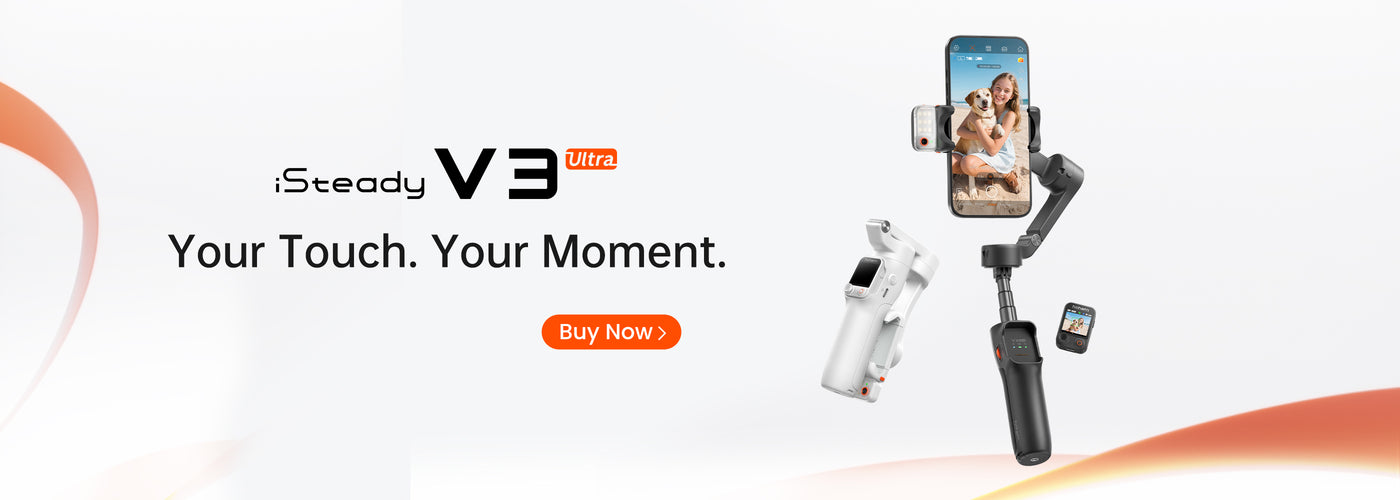
  • Handheld Stabilizers: These devices are typically lightweight and designed to be held by hand, allowing for freedom of movement. They often include gimbals or counterweights to help balance the camera and minimize unwanted movements.
  • Gimbal Stabilizers: Utilizing advanced technology, gimbals are perhaps the most popular stabilizers today. They incorporate multiple motors and sensors that actively compensate for movements in real-time, offering incredible stabilization for various shooting conditions.
  • Steadicams: A more traditional method, steadicams use a complex system of springs and counterweights to balance the camera, providing smooth footage. While they require more skill to operate, they have been a staple in the filmmaking industry for decades.
  • Drone Stabilizers: With the rise of aerial videography, drones equipped with stabilizers have become increasingly popular. These stabilizers counteract wind and movements during flight, ensuring stable footage from the sky.

The Mechanics of Stabilizers

The operation of a stabilizer can be broken down into various components, each playing a critical role in maintaining camera stability:

  1. Gimbal Structure: The gimbal typically consists of three axes: pan, tilt, and roll. Each axis helps to control the camera’s movement in different directions. By allowing free movement along any axis, the gimbal can keep the camera level even as the operator moves.
  2. Inertial Sensors: These sensors detect the camera’s motion and orientation. When the operator moves the camera, the sensors relay this information to the stabilizing system, which adjusts accordingly to counteract these movements.
  3. Motors: The motors in a gimbal work in conjunction with the inertial sensors to maintain balance. They apply force in the opposite direction of the detected motion, effectively keeping the camera stable and reducing unwanted vibrations.

How Stabilizers Improve Video Quality

The most apparent benefit of using a camera stabilizer is the improvement in video quality. Here are a few ways stabilizers enhance your footage:

  • Reduced Fatigue: When filming handheld, the operator's body movements can create jittery footage. Stabilizers minimize these movements, allowing the operator to film for longer periods without fatigue affecting the shot.
  • Smoother Motion: The fluidity of shots greatly benefits from stabilization. Whether you’re performing a simple pan or a complex tracking shot, stabilizers help create smooth transitions, making the final product more visually appealing.
  • Precise Framing: With stabilization, filmmakers can maintain their preferred composition without unwanted shifts in framing. This precision is crucial when capturing dynamic scenes or following subjects in motion.

Choosing the Right Stabilizer

Selecting the right stabilizer for your needs can be daunting, given the variety of options on the market. Here are some factors to consider:

  1. Weight Capacity: Ensure the stabilizer can support the weight of your camera setup, including additional accessories such as lenses and microphones.
  2. Operating Time: Battery life can vary significantly among stabilizers. If you plan to shoot extended sessions, consider a model with longer battery life.
  3. Ease of Use: Beginners may prefer models that offer intuitive setups with less complicated controls, while seasoned users might seek features that allow for more advanced adjustments.

Tips for Using a Camera Stabilizer

To maximize the benefits of a camera stabilizer, here are some operational tips:

  • Balance Before Use: Always balance your camera on the stabilizer before filming. This step is critical for ensuring smooth and effective stabilization.
  • Practice Your Movements: Familiarize yourself with how the stabilizer responds to different movements. Practice walking, panning, and tilting to find your rhythm.
  • Adjust Settings as Needed: Many modern gimbals feature adjustable settings. Don’t hesitate to experiment with these controls to find what works best for your shooting style.

The Future of Camera Stabilization

As technology continues to evolve, we can expect to see further advancements in camera stabilizers. Innovations such as AI-powered stabilization systems and lighter materials are on the horizon, promising to make stabilizers even more efficient and user-friendly. Furthermore, as virtual reality and augmented reality become more mainstream, the demand for high-quality, stabilized footage will undoubtedly rise, pushing manufacturers to refine their products continually.