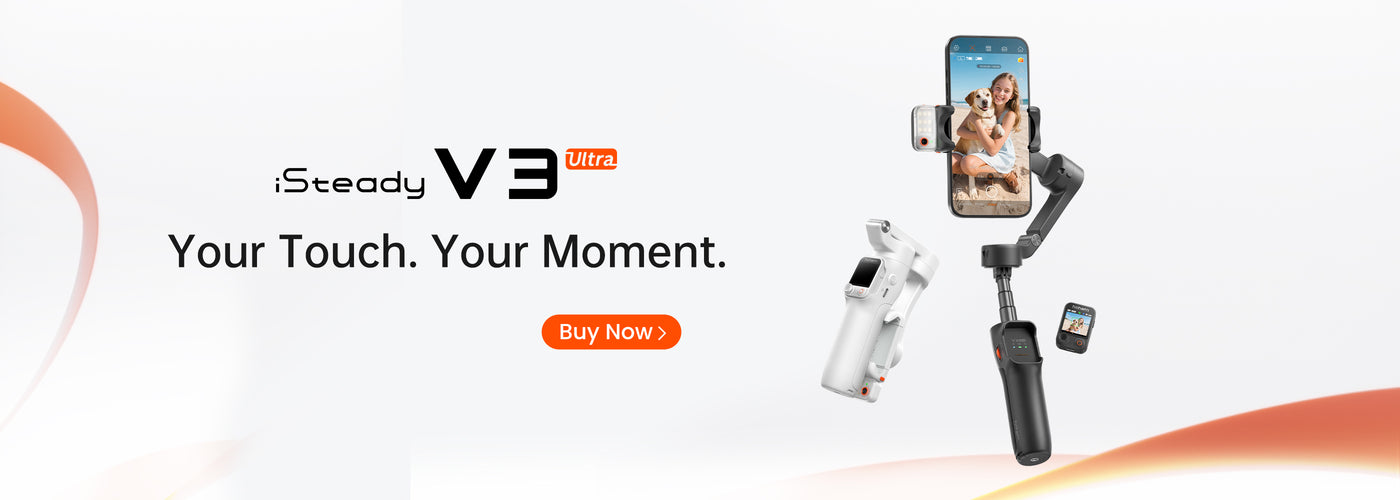
In the realm of videography and cinematography, stability is key. There’s nothing more distracting than shaky footage that isolates viewers from the action. One of the best tools at your disposal to combat this problem is a gimbal: an essential device that stabilizes your camera and provides smooth, professional-looking video. In this blog post, you will learn how to attach your camera to a gimbal correctly, ensuring you can make the most of this fantastic equipment.

Understanding Gimbals

Before diving into the attachment process, it’s crucial to grasp what a gimbal is and how it functions. A gimbal is a pivoted support that allows the rotation of an object about a single axis. In the case of cameras, gimbals use sensors and motors to counteract unwanted movements and keep your footage smooth, even as you run, jump, or navigate difficult terrain.

Choosing the Right Gimbal for Your Camera

Not every gimbal is created equal. Depending on your camera’s weight and dimensions, you'll need to choose a compatible gimbal. Make sure to refer to the gimbal’s specifications, including weight limits, to ensure your equipment is suitable. Always consider the following factors:

  • Weight: Ensure your camera and any additional accessories do not exceed the gimbal's weight limit.
  • Camera Type: Whether you’re using a DSLR, mirrorless, or action camera, choose a gimbal designed for your device.
  • Payload Capacity: Most gimbals specify a maximum payload; confirm your total setup will fit comfortably under this limit.

Essential Tools You’ll Need

Before you start attaching your camera to the gimbal, gather the following tools and accessories:

  • A compatible camera
  • A gimbal stabilizer
  • A tripod (optional for initial setup)
  • A lens (make sure it’s secured on the camera)
  • Tools that might come with the gimbal such as quick-release plates or screws

Step-by-Step Instructions

Now that you have everything ready, let’s dive into the setup process. Follow these steps carefully to attach your camera to the gimbal:

Step 1: Prepare Your Camera

Before attaching it to the gimbal, ensure your camera is fully charged and equipped with a lens of your choice. Remove any unnecessary accessories that might add extra weight. Keep in mind that the simpler the setup, the better your stabilization will be.

Step 2: Set Up Your Gimbal

Before attaching your camera, familiarize yourself with the gimbal’s structure. Locate the following components:

  • The grip handle
  • The camera mount (usually a quick-release plate)
  • The tilt, pan, and roll axes

Some gimbals come pre-assembled, while others require some initial setup. Follow the manufacturer’s instructions to get started.

Step 3: Attach the Quick-Release Plate

If your gimbal has a quick-release plate, attach it to your camera’s base. This step usually involves:

  1. Locating the tripod mounting hole at the bottom of your camera.
  2. Aligning the quick-release plate with the hole.
  3. Using a screwdriver or hand-tightening to secure it in place. Ensure it’s tight but do not overtighten it.

Step 4: Mount the Camera to the Gimbal

With the quick-release plate attached, carefully mount your camera onto the stabilizer’s camera mount. If your gimbal has a locking mechanism, ensure it is secured. This step is crucial for both safety and proper stabilization.

Step 5: Balance Your Setup

Now comes the critical part: balancing your gimbal. If your camera isn’t balanced properly, your gimbal will work overtime, leading to motor strain and poor performance.

Start by loosening the adjustments on the gimbal to allow for movement on the axes. Follow these tips:

  • Tilting: Tilt the gimbal back and forth. If the camera tilts forward or backward, adjust the plate forward or backward accordingly.
  • Rolling: Rotate the gimbal sideways. If the camera rolls left or right, adjust accordingly on the horizontal axis.
  • Panning: Pan the gimbal 180 degrees. If the camera moves too much, adjust it on the vertical axis.

It’s often a trial-and-error process, but take your time. A well-balanced setup makes all the difference in your footage quality.

Step 6: Power On and Test

Once everything is properly attached and balanced, power on your gimbal. Wait for a few moments while it calibrates itself. Once it's ready, perform a test of the gimbal functions. Walk around and gauge the smoothness of the footage. If you notice any instability, reevaluate your balancing and adjust accordingly.

Common Mistakes to Avoid

As you begin using a gimbal, it’s common to make some mistakes. Here are a few to watch out for:

  • Not balancing the camera sufficiently will lead to poor performance.
  • Using a gimbal beyond its payload capacity can damage both the gimbal and your camera.
  • Forgetting to change your gimbal’s settings based on your shooting environment.
  • Over-tilting or jerking the gimbal while walking, which will affect footage smoothness.

Tips for Optimal Gimbal Usage

To achieve stunning footage every time you shoot, keep these tips in mind:

  • Keep your movements smooth and steady.
  • Practice different shooting angles for creative shots.
  • Utilize the gimbal’s various modes (follow mode, lock mode, etc.) based on your scene requirements.
  • Regularly check battery levels and perform maintenance checks on your gimbal.

Final Thoughts on Gimbal Use

Every videographer needs to understand how to utilize a gimbal effectively. With the right approach and technique, you can transform your filming techniques, producing stunningly smooth and cinematic footage. Whether you're a beginner or an experienced filmmaker, mastering the art of gimbal use opens a new dimension of creativity in your filmmaking process.

Now that you know how to attach your camera to a gimbal, don't just stop here. Experiment, practice, and embrace the freedom of stabilized videography!