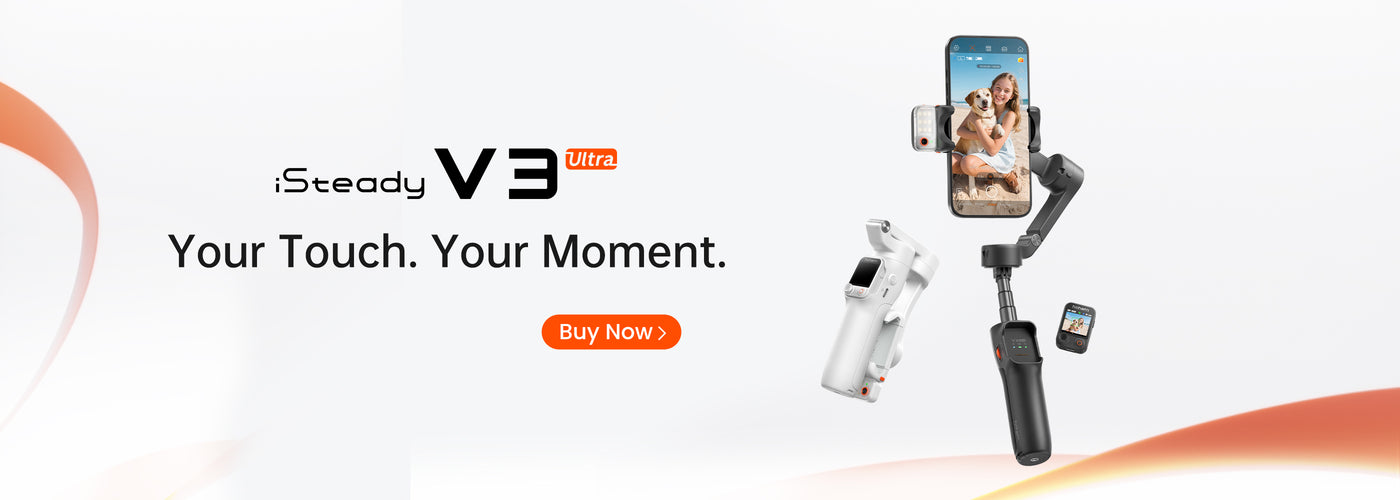
With the rise of digital content creation, video quality has become a crucial factor in engaging audiences, enhancing storytelling, and sharing impactful messages. The Yaekoo Video Camera Stabilizer Steadicam is a remarkable tool that enables videographers to create smooth and professional-looking footage, regardless of the filming environment. In this comprehensive guide, we will walk you through the various steps of utilizing this essential piece of equipment to elevate your videography game.

Understanding the Yaekoo Video Camera Stabilizer

The Yaekoo Steadicam is designed for capturing dynamic shots without the typical shake and jitter that often accompany handheld footage. This stabilizer not only enhances the visual quality of your recordings but also provides the flexibility to move freely while filming. It's essential to comprehend the mechanics of the device before diving into practical setups and filming techniques.

Key Features of the Yaekoo Stabilizer

  • Universal Compatibility: The Yaekoo stabilizer accommodates a wide range of lightweight cameras, including DSLRs and mirrorless models.
  • Adjustable Balance: Users can easily adjust the balance of their camera to provide flawless stability.
  • Ergonomic Design: The design of the stabilizer ensures comfort during extended shooting sessions.
  • Multi-directional Movement: Allows for smooth tracking, panning, and tilting motions.

Setting Up Your Yaekoo Video Camera Stabilizer

To achieve perfect stabilization, proper setup is critical. Here’s a step-by-step approach:

Step 1: Assemble the Stabilizer

Begin by carefully assembling your Yaekoo Steadicam according to the user manual. Ensure that all parts are securely connected and that the spring arm is properly attached to the base.

Step 2: Mount the Camera

Next, you’ll need to attach your camera to the stabilizer. Typically, this involves:

  1. Locating the quick-release plate and ensuring it’s tightly affixed to your camera.
  2. Sliding the camera into the stabilizer's mount, making sure it is centered to maintain an optimal balance.

Step 3: Balancing the Camera

This is a crucial step for achieving steady shots. If the camera is not balanced, the stabilizer will not effectively absorb movements. Follow these sub-steps:

  • Adjust the Camera Position: Move the camera backward or forward along the mount until the device can stay level when you let go.
  • Weight Adjustment: Make use of any counterweights provided to balance the camera. Distributing the weight evenly will enhance stability.

Mastering Filming Techniques with the Yaekoo Stabilizer

Now that your stabilizer is set up and balanced, it’s time to explore various techniques that will maximize your shooting capabilities:

Techniques for Smooth Footage

Utilizing the Yaekoo stabilizer effectively requires practice. Here are some techniques to help you capture smooth footage:

The Walking Shot

The walking shot is one of the most common shots in videography. To achieve it:

  1. Stand with your feet shoulder-width apart.
  2. Bend your knees slightly to absorb shock.
  3. Move in a heel-to-toe manner to create fluid motion.

The Panning Shot

For panning shots, follow these steps:

  1. Begin with your stabilizer centered on the object or scene you intend to capture.
  2. Rotate the stabilizer smoothly on its axis, allowing the camera to track the subject without jerking or sudden stops.

The Low Angle Shot

Capturing low-angle shots can add drama and perspective to your footage:

  1. Lower the stabilizer while maintaining balance.
  2. Capture shots from different heights to discover unique angles and compositions.

Practical Tips for Enhanced Stability and Control

While mastering the mechanics and techniques is vital, remember these practical tips to further enhance your stability and footage quality:

  • Use a Comfortable Grip: Always hold the handles of your stabilizer firmly but not too tightly; a relaxed grip promotes smoother movements.
  • Practice with Different Weights: If possible, practice using various cameras and weights to become accustomed to how each setup feels with the stabilizer.
  • Record at Higher Frame Rates: If your camera allows, recording at higher frame rates can make shaky footage appear smoother in post-production.

Post-production Tips for Steadicam Footage

The fun doesn’t end after filming! Here’s how you can enhance your footage during post-production:

Stabilization Software

Using software like Adobe Premiere Pro, Final Cut Pro, or DaVinci Resolve can help smooth out minor jitters that may still be present. Ensure your footage is edited to give it the polished finish:

  1. Import your footage and apply stabilization.
  2. Adjust any settings to eliminate unwanted movement while preserving the quality of the original footage.

Color Correction and Grading

Once your visuals are stabilized, enhance the color quality of your videos. This can significantly impact the overall appearance of your footage:

  • Adjust exposure, contrast, and saturation based on the desired aesthetic.
  • Utilize LUTs (Look Up Tables) to achieve a cinematic look.

Final Thoughts

The Yaekoo Video Camera Stabilizer Steadicam can be a game-changer for amateur and professional videographers alike. By mastering the setup and employing effective filming techniques, you can consistently produce visually impressive footage. As with any equipment, practice is key. Experiment with various shots, angles, and editing techniques to discover what works best for your unique style. With time and perseverance, your skills will flourish, and your videography will reach new heights.