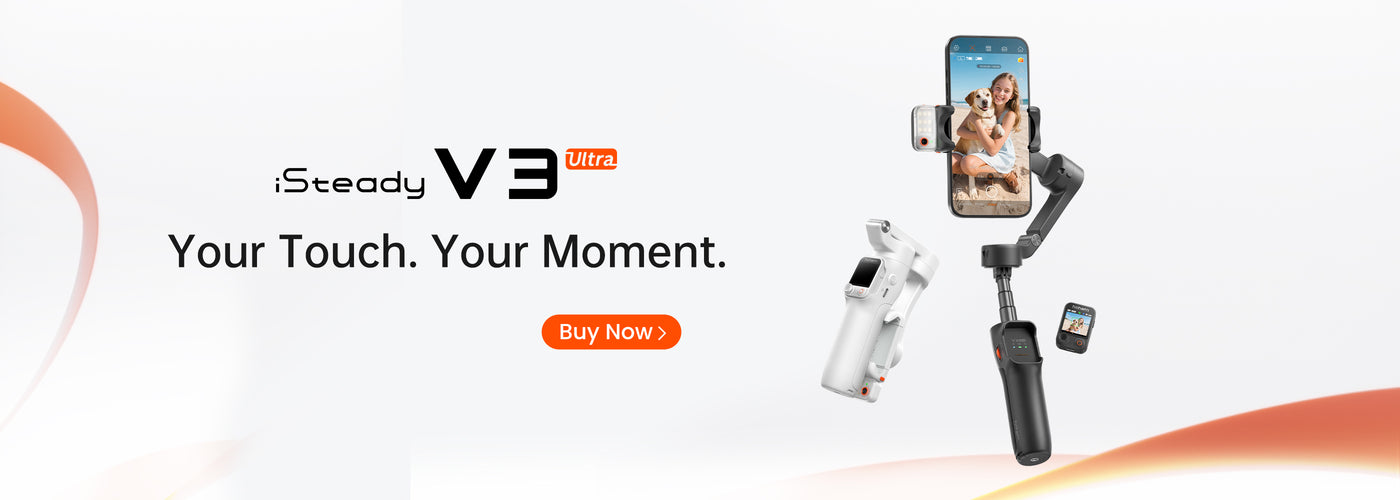
In the world of videography and photography, lighting plays a pivotal role in determining the quality and aesthetic appeal of the final product. When combined with the stabilization benefits of a gimbal, lights can transform ordinary scenes into extraordinary visual experiences. For both amateur and professional creators, understanding gimbal lights is essential for producing stunning cinematic content. This article delves into the best gimbal lights currently available and how they can enhance your shooting experience.

Understanding Gimbal Lights

Gimbal lights are portable lighting solutions attached directly to gimbals. They enable videographers to create well-lit footage while maintaining stability and fluidity during motion. Unlike traditional lights, gimbal lights are designed to be lightweight and compact, ensuring they do not interfere with the gimbal's balance.

Why Lighting Matters

Quality lighting can make a significant difference in video production. Poor lighting can result in grainy, unattractive footage, whereas good lighting can enhance colors, highlight details, and create the desired mood. Whether you're filming an indoor interview, an outdoor event, or a cinematic short, effective lighting is non-negotiable.

Top Gimbal Lights for Videographers

1. Aputure Amaran AL-M9

The Aputure Amaran AL-M9 is highly regarded in the videography community. Weighing just under 0.5 lbs, this compact light packs a punch with its 9 LED bulbs producing up to 900 lux at 0.5 meters. With a color temperature ranging from 3200K to 5600K, it can add warmth or a cooler tone to your shots, giving you flexibility in different shooting environments. The light is also rechargeable, making it convenient for extended use.

2. Godox LEDP120C

The Godox LEDP120C offers a perfect balance between size and output power. Equipped with 120 pieces of LEDs, it provides excellent light output, is adjustable from 3200K to 5600K, and supports wireless control. This light can be mounted easily on most gimbals, allowing creators to capture stable, well-lit shots effortlessly.

3. Neewer 660 RGB LED Video Light

The Neewer 660 RGB LED Video Light is perfect for those aiming to add some creativity to their shots. With the ability to adjust brightness and RGB color, this light allows videographers to explore different color palettes. It is designed with a sturdy build, ensuring it can withstand the rigors of outdoor shooting.

4. Litepanels Astra 6X

The Astra 6X is favored in professional arenas for its exceptional light quality and durability. The slim design fits well on gimbals without adding excess weight. It offers a variety of color temperature settings and is dimmable. Its sleek design and top-tier build quality make it a worthy investment for serious cinematographers.

5. Falcon Eyes F7 Pocketlite

The Falcon Eyes F7 is the latest in compact lighting technology, fitting easily in your pocket while delivering powerful light output. It has a built-in battery, changing colors seamlessly from warm to cold with customizable hues. This gimbal light is perfect for creators on the go.

Creative Lighting Techniques Using Gimbal Lights

When leveraging gimbal lights, there are several creative techniques you can adopt to enhance your footage:

1. Directional Lighting

Adjusting the angle of your gimbal light can completely alter the scene's look. By positioning the light at different angles, you can create shadows and highlights that add depth to your shots. Experiment with backlighting your subjects to achieve a silhouette effect.

2. Color Gels for Mood Enhancement

Using color gels can transform the ambiance of a scene dramatically. For instance, using a blue gel may impart a cool, serene vibe, while an orange gel can evoke warmth. Employ these techniques during production to enhance storytelling.

3. Highlight and Shadow Play

Utilizing gimbal lights allows for manipulating light and shadow in creative ways. Consider highlighting specific elements of the scene while casting shadows on others to generate intrigue.

Importance of Understanding Light Temperature

Understanding light temperature is crucial while using gimbal lights. The color temperature of your lighting can drastically alter the mood and appearance of your footage. Here are a few points to consider:

  • Warm Light (below 3000K): Great for creating a cozy, inviting atmosphere.
  • Neutral Light (4000K to 5000K): Typically mimics natural daylight, ideal for general use.
  • Cool Light (above 6000K): Best for high-energy scenes or creating a more clinical, modern feel.

Tips for Using Gimbal Lights Effectively

To maximize the benefits of gimbal lights in your filming setup, keep these tips in mind:

1. Balance Your Gimbal

Before attaching your light, ensure that your gimbal is balanced correctly. An unbalanced gimbal can lead to stability issues and may hinder your ability to achieve smooth shots.

2. Test and Adjust

Take the time to experiment with different lighting setups before filming crucial scenes. Adjusting brightness, temperature, and angles can make a significant difference.

3. Be Mindful of Power Sources

Ensure that your lights are charged and have backup power options. This will prevent any disruptions during important shoots.

4. Collaborate with Your Team

If you’re working with a crew, collaboration can unlock potential. Discuss lighting needs early in the planning process to ensure everyone is on the same page.

Future of Gimbal Lighting

The world of gimbal lighting is ever-evolving. With rapid advancements in LED technology, we can expect even more compact, powerful, and versatile lighting solutions in the future. Innovations may include smarter LED lights integrated with app control, allowing for seamless lighting adjustments on the go. These advancements will continue to enhance creative possibilities for cinematographers and content creators.