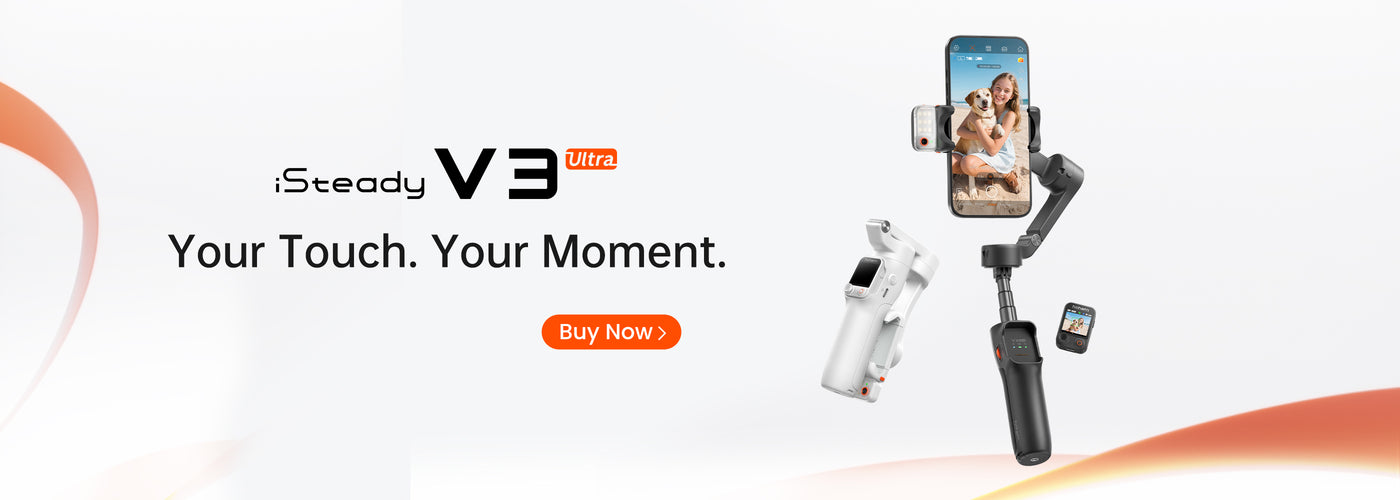
In the world of photography, capturing the perfect shot requires not just artistic vision, but also the right tools and techniques. One such essential tool that has revolutionized the way we capture motion is the gimbal. Whether you're a seasoned professional or an enthusiastic hobbyist, understanding how to use a gimbal effectively can take your photography and videography to a new level. In this comprehensive guide, we'll explore the basics of gimbal photography, essential tips, techniques, and gear recommendations to help you master this art form.

What is a Gimbal?

A gimbal is a pivoted support system that allows the rotation of an object about a single axis. In photography and videography, motorized gimbals are used to stabilize cameras and smartphones, allowing for smooth movie-like footage regardless of the movements of the operator. This valuable equipment is particularly useful in dynamic situations such as sports, action shots, or while capturing tours and travel videos. The appeal of gimbal photography lies in its ability to produce fluid and captivating visuals, free from the shake and jitters common with handheld shooting.

Types of Gimbals

Before diving into tips and techniques, it’s crucial to understand the different types of gimbals available on the market. There are primarily three categories:

  • Handheld Gimbals: Ideal for mobile devices and compact cameras, these gimbals are designed to be portable and user-friendly, making them great for on-the-go shooting.
  • DSLR and Mirrorless Gimbals: Designed to support larger setups, these gimbals can handle heavier loads and provide enhanced stability for professional-grade cameras.
  • 3-Axis Gimbals: Offering stabilization across three axes—pitch, yaw, and roll—these gimbals provide the most dynamic stabilization, perfect for capturing fast-moving subjects.

Getting Started with Gimbal Photography

Here are some foundational tips to help you get started with gimbal photography:

1. Understanding the Gimbal's Controls

Every gimbal comes with its own set of controls. Familiarize yourself with its settings and features, such as balance adjustments, modes (like follow mode or lock mode), and tilt adjustments. Read the manual, watch tutorials, and experiment with the settings to understand how they impact your shots.

2. Balancing Your Gimbal

Before you start using your gimbal, it’s crucial to balance it correctly. Improper balance can lead to poor performance or even damage to the motors. Spend time adjusting your camera setup on the gimbal until it remains stable when turned off. This will ensure smooth footage and increase the longevity of your equipment.

3. Practice Smooth Movements

When working with a gimbal, smooth movements are key to achieving cinematic quality. Practice walking while keeping your knees slightly bent, moving in a way that minimizes up-and-down motion. Connecting your body’s movements with your arms can help maintain a stable shot.

4. Utilize Appropriate Shooting Modes

Most gimbals come with various shooting modes. Follow mode allows your camera to follow your movements smoothly. You can also experiment with a locked mode, which keeps the camera steady while letting you move freely. Choose the mode that best fits the type of shot you want to capture.

5. Mastering the Art of Composition

Even with a gimbal, composition remains essential. Remember the rule of thirds, leading lines, and framing. Pre-plan your shots, consider your background, and scout locations to ensure the best possible images.

Advanced Techniques for Gimbal Photography

Once you feel comfortable with the basics, you can move on to more advanced techniques that can elevate your gimbal photography skills:

1. Adding Motion to Your Shots

Incorporate slight movements into your shots, such as pans or tilts. When progressively moving the gimbal while shooting, you can create a sense of drama and motion. Consider using sliders or tracks to enhance the movement further and achieve dynamic visuals.

2. Combining with Drones

For breathtaking aerial shots, consider integrating drones with handheld gimbals. A drone equipped with a gimbal can provide smooth footage capturing expansive landscapes, while the handheld gimbal allows for intricate ground-level tracking.

3. Slow Motion and Hyper-Lapse Techniques

Utilizing slow motion can accentuate movement in your shots, while hyper-lapse techniques can produce time-lapsed sequences that maintain visual fluidity. Both techniques can enhance storytelling in your videos and provide captivating visual experiences.

Recommended Gear for Gimbal Photography

Now that you’ve learned about the techniques, let’s look at some essential gear that can help maximize your gimbal photography experience:

1. Cameras

Choose a camera that suits your photography style. Popular options include:

  • DSLRs like Canon EOS R series for versatility.
  • Mirrorless systems like Sony A7 series for compactness and performance.
  • Smartphones with excellent camera systems for incredible portability, like the latest iPhone or Samsung Galaxy devices.

2. Lens Selection

Your lens choice can significantly affect the final result. Consider lens types such as:

  • Wide-angle lenses to capture expansive landscapes.
  • Prime lenses for stunning depth of field.
  • Zoom lenses for versatility in dynamic shooting situations.

3. Accessories

Enhance your shooting experience with various accessories:

  • External microphones for improving audio quality.
  • LED lights for better lighting in various environments.
  • Extra batteries to keep filming longer without interruptions.

Final Thoughts on Gimbal Photography

Gimbal photography is an art form that can bring your visual storytelling to life. The combination of hardware, technique, and creative vision can produce stunning results. Remember constantly to practice, experiment, and evolve your skills as technology and trends change. The journey of mastering gimbal photography is continuous but rewarding, leading you to capture moments that were previously difficult to achieve. With patience and passion, you can create mesmerizing imagery that leaves a lasting impression on your viewers.