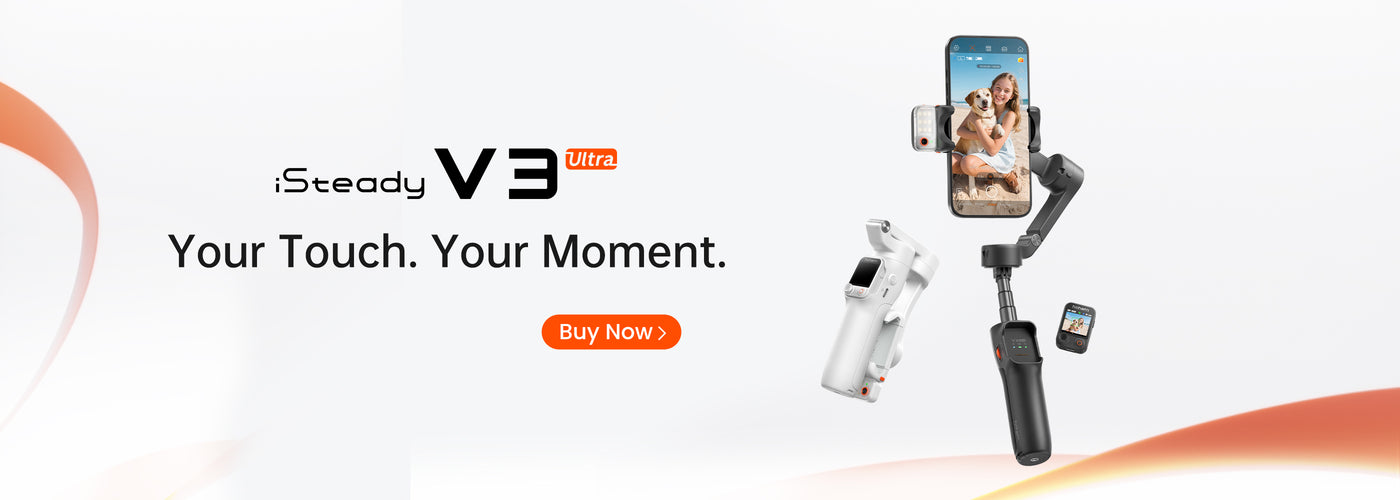
In the world of filmmaking and photography, achieving smooth and stable footage is paramount to enhancing the storytelling experience. One of the most effective tools for achieving this is the camera gimbal. Among the leading brands in this category is Ronin, known for its advanced stabilization technology. This article delves into the benefits, features, and best practices for using Ronin camera gimbals.

What is a Ronin Camera Gimbal?

A Ronin camera gimbal is a sophisticated stabilization device that uses motors and sensors to balance a camera on multiple axes. This technology allows for fluid movement, enabling filmmakers to capture dynamic shots without the annoying shake that can occur when filming handheld. Whether you're shooting a dramatic scene, an active event, or a serene landscape, a gimbal enhances the quality of your footage.

The Technology Behind Ronin Gimbals

At the heart of Ronin gimbals is state-of-the-art stabilization technology. By employing brushless motors and high-precision sensors, these gimbals can counteract unwanted movements and vibrations in real-time. Most Ronin models offer 3-axis stabilization, which means they can stabilize the pitch (up and down), roll (tilting left and right), and yaw (panning side to side) movements. This ensures that every shot is smooth, no matter how dynamic the action is.

Key Features of Ronin Gimbals

  • Modular Design: Many Ronin gimbals come with a modular design that allows for customization and flexibility. Users can attach additional accessories to enhance their shooting experience, such as follow focus systems, external monitors, or even wireless video transmission systems.
  • Advanced Control Modes: Ronin gimbals provide various control modes, such as Follow Mode, Lock Mode, and Pan Follow Mode. These modes allow users to select how they want the gimbal to respond to movements, enabling intentional camera transitions and dynamic shots.
  • Long Battery Life: Filmmaking can be intense and lengthy. Ronin gimbals are designed with extended battery life, often lasting up to 12 hours on a full charge, ensuring you can shoot without interruptions.
  • App Integration: The Ronin app enhances usability by providing additional features such as time-lapse settings, calibration tools, and firmware updates. This capability allows for greater control and creativity during shoots.

Choosing the Right Ronin Gimbal for Your Needs

When selecting a Ronin camera gimbal, consider the type of projects you’ll be working on. Ronin offers a variety of models, each suited for different camera setups and filming requirements:

  • Ronin-S: Ideal for DSLR and mirrorless cameras, the Ronin-S is compact yet feature-rich, making it perfect for solo filmmakers who need portability without sacrificing performance.
  • Ronin-SC: A lighter version of the Ronin-S, it is designed for mirrorless cameras and emphasizes a lightweight design while retaining stabilization quality.
  • Ronin 2: For professional-grade filmmaking, the Ronin 2 supports larger camera setups and offers robust features suitable for high-budget productions.

Best Practices for Using a Ronin Gimbal

To maximize the potential of your Ronin gimbal, consider these best practices:

1. Balance the Gimbal

Before powering on your gimbal, ensure it is properly balanced. This reduces the strain on the motors and enhances stabilization. Adjust the camera's position on the gimbal until it remains level without assistance.

2. Use Appropriate Settings

Familiarize yourself with the different modes available on your gimbal. Choose settings that match your shooting style — for instance, using Lock Mode for static shots or Follow Mode for dynamic sequences.

3. Maintain Smooth Movements

To get the best results, practice using smooth and controlled movements while operating the gimbal. Avoid sudden jerks or hand movements, as they can translate into shaky footage, defeating the purpose of using a gimbal.

4. Incorporate Additional Techniques

Try incorporating other techniques, such as walking with bent knees or using a slow pan, to further enhance shot fluidity. Stability is not only in the gear but also in the operator's technique.

Famous Filmmakers Using Ronin Gimbals

Ronin gimbals have gained popularity among renowned filmmakers and influencers alike. Many have utilized Ronin technology to create stunning visual content. Filmmakers like Peter McKinnon and Matti Haapoja often showcase their work using Ronin systems, demonstrating not only the versatility of the equipment but also its capability to elevate storytelling through stunning visuals.

Tips for Maintaining Your Ronin Gimbal

Proper maintenance of your gimbal can extend its life and performance. Here are some essential tips:

1. Keep It Clean

Regularly clean the gimbal to avoid dirt and dust build-up, especially in the motors and joints. Use a soft cloth and gentle cleaning solutions to preserve the equipment's integrity.

2. Update Firmware

Stay up to date with the latest firmware released by Ronin. Updates may include enhancements to performance, stability, and new features that can be beneficial during shoots.

3. Store Properly

When not in use, store your gimbal in a protective case to shield it from environmental factors. Avoid extreme temperatures as they can adversely affect battery life and internal components.

Conclusion and Future of Ronin Gimbals

The future of Ronin gimbals looks promising as technology continues to evolve, leading to improvements in stabilization and user experience. As filmmakers seek to push the boundaries of storytelling through visual mediums, gimbals like those produced by Ronin will undoubtedly remain an essential tool in their kit.