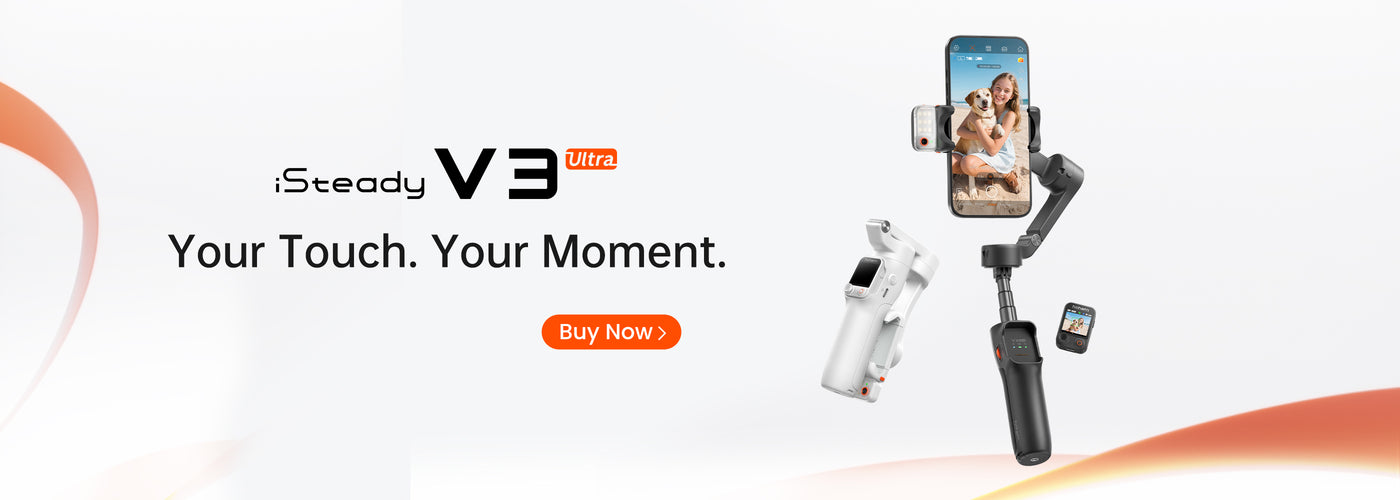
In the evolving landscape of videography and photography, achieving smooth and stable footage is paramount. Whether you are a professional filmmaker or a passionate hobbyist, using a gimbal can significantly enhance the quality of your work. DJI, a leader in drone technology, has extended its expertise to the realm of gimbals, particularly those compatible with DSLR cameras. This article dives into the world of DJI DSLR gimbals, exploring their features, benefits, and how to choose the right one for your needs.

What is a Gimbal?

A gimbal is a pivoted support that allows the rotation of an object about a single axis. In photography and videography, gimbals stabilize cameras by counteracting unwanted movements, allowing for smooth and fluid shots even in challenging conditions. They are essential tools for filmmakers who aim to maintain a professional look in their projects.

Why Choose DJI Gimbals?

DJI has mastered the art of stabilization technology, catering to both novice enthusiasts and seasoned professionals. Here are some compelling reasons to consider DJI gimbals for your DSLR:

  • Advanced Stabilization: DJI gimbals utilize state-of-the-art algorithms to ensure that your footage remains steady, regardless of your movement.
  • Intuitive Controls: Many models come with user-friendly interfaces, making them accessible for beginners while offering advanced features for professionals.
  • Robust Build Quality: DJI gimbals are built to endure rigorous use, ensuring durability in various shooting environments.
  • Versatile Compatibility: Designed to accommodate a wide range of DSLR cameras, DJI gimbals offer flexibility for different setups.

Popular DJI DSLR Gimbals

When it comes to DJI gimbals, certain models stand out due to their performance and features. Let’s take a closer look at a few popular options:

1. DJI Ronin-S

The DJI Ronin-S is a handheld gimbal specifically designed for DSLR and mirrorless cameras. Its compact design makes it easy to transport, while its powerful motors provide impressive stabilization. The Ronin-S supports a wide variety of camera setups, making it a favorite among videographers.

2. DJI RS 2

Taking innovation to the next level, the RS 2 combines advanced stabilization technology with an impressive payload capacity. Weighing just 2.8 lbs, it can handle DSLRs and accessories up to 10 lbs, making it a versatile choice for serious filmmakers.

3. DJI RSC 2

For those seeking a more compact option, the RSC 2 offers a foldable design without sacrificing functionality. This gimbal is an excellent choice for creators who need portability without compromising on stabilization features.

Key Features to Look for in a DJI Gimbal

When selecting a DJI gimbal for your DSLR, consider the following features:

  • Payload Capacity: Ensure the gimbal can support your camera and any additional accessories.
  • Battery Life: Look for gimbals with long battery durations to avoid interruptions during shooting.
  • Follow Modes: Different follow modes, such as pan follow and lock mode, provide versatility for various shooting styles.
  • Ease of Use: An intuitive control system can help you focus more on your creative vision rather than operating the equipment.

Setting Up Your DJI Gimbal

Once you’ve chosen the right DJI gimbal, setting it up is crucial for optimal performance. Follow these steps for a successful configuration:

  1. Balance Your Camera: Properly balancing your camera on the gimbal is essential. Adjust the position of the camera plate until the setup balances perfectly.
  2. Firmware Updates: Always ensure your gimbal’s firmware is up to date for improved performance and new features.
  3. Calibration: Run the auto-calibration feature to fine-tune the gimbal settings tailored to your camera.
  4. Practice: Familiarize yourself with the control settings and modes before starting any significant shoot.

Tips for Using a DJI Gimbal Effectively

To ensure you get the most out of your DJI gimbal, keep these tips in mind:

  • Learn the Modes: Understanding the different stabilization modes will provide you with diverse options for creative shots.
  • Keep Your Movements Smooth: Even with a gimbal, smooth movements facilitate better results. Avoid jerky motions while shooting.
  • Experiment with Angles: Utilize various angles for dynamic shots. This could include low-angle shots that bring an engaging perspective.
  • Invest in Accessories: Consider getting additional accessories like follow focus systems or external batteries to enhance your shooting experience.

Common Issues and Troubleshooting

Despite the advanced technology in DJI gimbals, issues can arise. Here are some common problems and how to troubleshoot them:

  • Gimbal Not Powering On: Check battery levels and ensure they are properly charged and connected.
  • Camera Not Balancing: Ensure that the camera is correctly positioned and adjustments to the gimbal's balancing arms are made as necessary.
  • Inconsistent Stabilization: This could be due to an outdated firmware version. Ensure your device is updated accordingly.

Conclusion

While this article does not include a formal conclusion, it is imperative to recognize that mastering the use of DJI DSLR gimbals can enhance your filming capabilities significantly. Whether you are crafting a personal project or diving into professional videography, the journey to perfecting your skills with a gimbal is one worth pursuing. The DJI gimbal systems combine cutting-edge technology with user-friendly design, making them an ideal choice for both budding and experienced filmmakers.