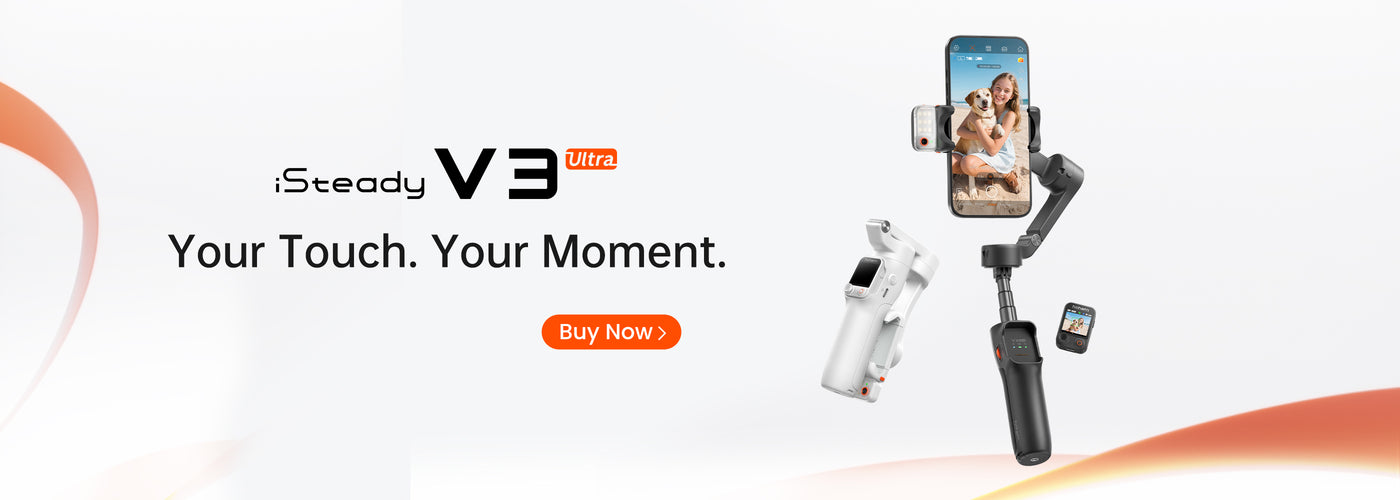
In the world of aerial photography and videography, achieving smooth, professional-quality shots has always been a primary goal for filmmakers and hobbyists alike. Enter the 2 axis RC camera gimbal, an innovative tool designed to stabilize your camera and ensure that every frame is a masterpiece. Whether you’re shooting breathtaking landscapes or capturing high-speed action, understanding how these gimbals work can drastically improve your filming quality.

What is a 2 Axis RC Camera Gimbal?

A 2 axis RC camera gimbal is a stabilization device that allows the camera to remain steady on two rotational axes: pitch and roll. Unlike a 3 axis gimbal, which also stabilizes yaw (the side-to-side movement), a 2 axis variant is a lightweight and often more cost-effective solution for many hobbyists and professionals. These devices work by using motors and sensors to counteract unwanted movements and vibrations, resulting in smoother footage.

Why Choose a 2 Axis Gimbal?

While 3 axis gimbals provide comprehensive stabilization, there are several compelling reasons to consider a 2 axis gimbal:

  • Weight and Portability: 2 axis gimbals are generally lighter and more compact than their 3 axis counterparts. This makes them easier to transport, especially for those on foot seeking thrilling shots.
  • Cost-Effectiveness: For those new to gimbals or working with a limited budget, 2 axis gimbals come at a fraction of the price while still delivering impressive stabilization.
  • Simplicity: With fewer components to manage, setting up and operating a 2 axis gimbal is usually more straightforward, making it ideal for beginner videographers.

Key Features to Look For

When searching for the best 2 axis RC camera gimbal, several features should be at the forefront of your decision-making process:

1. Payload Capacity

Certain gimbals are designed for specific camera sizes and weights. Make sure to choose one that can accommodate your camera, lenses, and any additional accessories without exceeding its payload capacity.

2. Battery Life

A longer battery life means more shooting time without interruption. Always check the specifications and ensure the gimbal’s battery can sustain your filming needs.

3. Stabilization Technology

Different gimbals employ various stabilization technologies. Look for products that utilize advanced brushless motor technology, as they usually provide superior performance.

4. User-Friendly Controls

Intuitive controls can significantly enhance your shooting experience, allowing for quick adjustments and settings changes on the fly.

Setting Up Your 2 Axis Gimbal

Successfully utilizing a 2 axis camera gimbal requires careful attention to setup. Here’s a step-by-step process to help you get started:

1. Balancing Your Setup

Before you turn on your gimbal, it’s crucial to balance your camera on the gimbal. Adjust the camera position until it sits evenly without tipping to one side or the other. Proper balance is essential to ensure the motors don’t overwork, resulting in smoother footage.

2. Calibrating the Gimbal

Once balanced, calibrate your gimbal by initializing it according to the manufacturer’s instructions. Calibration can help your gimbal accurately detect movements and maintain stability.

3. Practice with Different Modes

Many gimbals offer different operating modes such as follow mode and lock mode. Spend time learning how each mode works and how to switch between them effectively.

Best Practices for Filming with a 2 Axis Gimbal

Even with an excellent gimbal in hand, achieving the perfect shot requires skill and technique:

1. Movements Matter

Be deliberate with your movements. Smooth, controlled motions will complement the gimbal’s stabilization features. Avoid abrupt changes in direction or speed, which can lead to shaky footage.

2. Use a Filming Rig

If possible, consider utilizing a filming rig or harness to combine your body movements with the gimbal’s stabilization for even smoother results.

3. Angle Considerations

Experiment with different angles and perspectives to add visual interest to your shots. Don’t hesitate to use the gimbal’s capabilities to get creative!

Popular Brands and Models

Several brands stand out in the 2 axis gimbal market with products that offer great quality and features:

  • Feiyutech: Known for their lightweight designs and ease of use, models like the Feiyutech G6 Plus have gained a loyal following.
  • Zhiyun: The Zhiyun Crane series has models that cater to all types of users, providing exceptional stability.
  • DJI: Renowned for their innovative technology, DJI’s gimbals blend quality with advanced features that cover a variety of filming situations.

Common Challenges and Solutions

No tool is without its challenges. Here are some common issues users face with 2 axis gimbals and their solutions:

1. Overheating Motors

Issue: Gimbals can sometimes overheat, particularly during extended use.

Solution: Ensure to take breaks during your filming sessions, and avoid using the gimbal in extremely hot conditions.

2. Inconsistent Performance

Issue: Users might notice lagging or jerky movements despite a balanced setup.

Solution: Performing regular firmware updates and maintenance can enhance performance and reliability.

Community and Resources

The gimbal community is robust, with numerous online forums, tutorials, and groups dedicated to sharing knowledge and best practices. Websites like Vimeo and YouTube showcase user-generated content and feedback that can aid both beginners and seasoned professionals. Joining these communities can provide invaluable insights, tips, and resources to improve your skills.

Whether your goal is to create cinematic masterpieces or simply capture memories during your adventures, investing in a 2 axis RC camera gimbal could be a game-changer in your filming journey. By understanding its features, mastering its setup, and practicing your filming techniques, you can unlock your creativity and enhance the quality of your work.