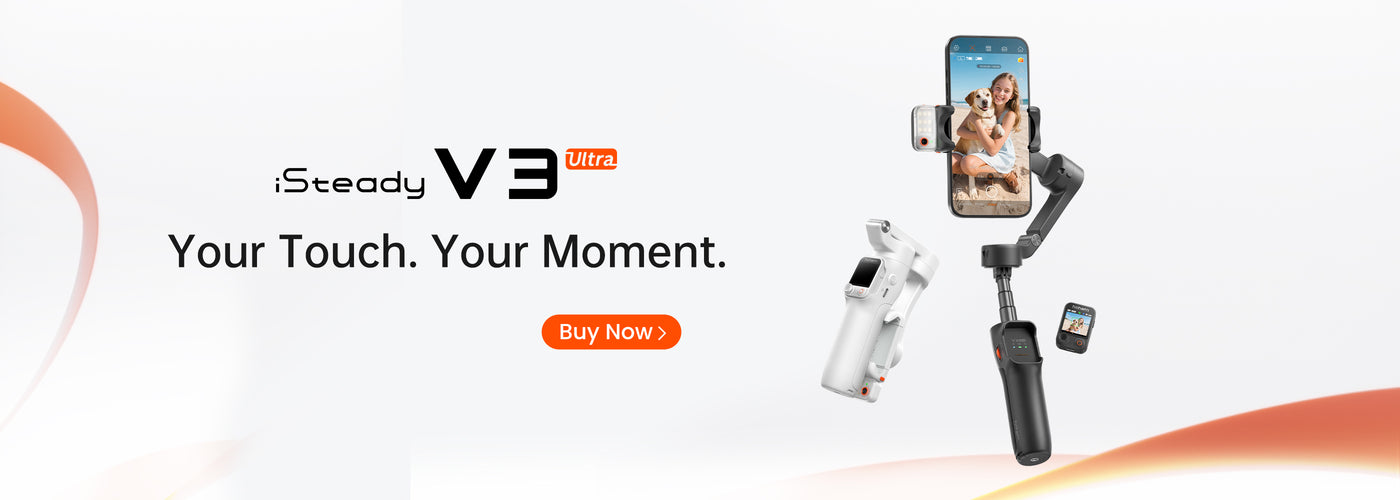
In the world of photography and videography, stabilization is key to achieving professional-quality footage. For those who are serious about their craft, investing in a DSLR 3-axis brushless gimbal handle camera mount stabilizer is often a game changer. This article delves into the benefits, features, and tips for getting the most out of your gimbal stabilizer.

What is a 3-Axis Brushless Gimbal?

A 3-axis brushless gimbal is a device designed to stabilize the camera along three axes: pitch, roll, and yaw. The brushless motors allow for smoother motion, which is particularly advantageous when filming videos that might otherwise appear shaky. Unlike traditional stabilizers or tripods that only limit vibration, gimbals actively counteract unwanted movement.

Why Choose a 3-Axis Gimbal for Your DSLR?

Opting for a 3-axis brushless gimbal for your DSLR offers numerous advantages, especially if you plan on shooting dynamic scenes, action sports, or capturing cinematic moments. Key benefits include:

  • Enhanced Stability: Brushless motors provide smoother footage, which is crucial for professional output.
  • Versatility: These gimbals can be used in various environments, from bustling city streets to serene nature landscapes.
  • Improved Workflow: Rapidly changing shooting angles become efficient with the gimbal's user-friendly design.

Key Features to Look For

When choosing a DSLR 3-axis brushless gimbal, several features can make a significant difference in performance. Here’s what to consider:

  • Weight Capacity: Ensure the gimbal can support your specific camera setup, including any lenses and accessories.
  • Battery Life: Longer battery life allows for extended shooting times without interruption.
  • Control Options: Look for gimbals that offer remote control features, allowing for greater flexibility in shooting.
  • Follow Modes: Different follow modes enable varied filming techniques, from simple panning to more complex movements.

How to Set Up Your Gimbal Properly

Setting up a gimbal stabilizer can vary depending on the model, but here are general steps to ensure optimal performance:

  1. Attach Your Camera: Securely mount the camera onto the gimbal plate, ensuring it is balanced. Proper balance prevents motor strain.
  2. Power On the Gimbal: Many gimbals require you to power them on so they can calibrate to a centered position.
  3. Check the Modes: Familiarize yourself with the controls and different shooting modes before starting your shoot.
  4. Practice Movements: Take time to practice with the gimbal before filming to master the handling and movement.

Tips for Achieving Smooth Footage

While gimbals are fantastic tools for stability, achieving ultra-smooth footage requires skill and technique.

  • Use Slow Motions: Moving slowly when panning or tilting creates a more cinematic feel, reducing erratic movements.
  • Walk with Intention: Practice walking at a steady pace. A consistent gait transfer to your footage leads to professionalism.
  • Incorporate Changes in Angle: Experimenting with angles not only keeps the shots interesting but also trains your eye for better storytelling.

Showcasing Your Work with Gimbal Stabilization

Once you've captured your footage, it's time to showcase your work. Here are a few ways to display stabilized footage effectively:

  • Social Media: Platforms like Instagram and YouTube are perfect for sharing your latest projects and gaining visibility.
  • Showreels: Compile your best work into a showreel to present to potential clients or collaborators.
  • Portfolio Development: High-quality stabilized video work adds significant value to your portfolio, portraying you as a professional.

Maintenance and Care for Your Gimbal

Taking care of your gimbal is essential for ensuring its longevity and performance. Here are some maintenance tips:

  • Regular Cleaning: Clean the motors and joints to prevent dust build-up, which can affect motion quality.
  • Safe Storage: Invest in a protective case to prevent damage when transporting your gimbal.
  • Software Updates: Keep your gimbal’s firmware updated to ensure you have the latest features and bug fixes.

Conclusion

Professional-quality footage is more accessible than ever with the right tools in hand. A DSLR 3-axis brushless gimbal handle camera mount stabilizer can elevate both photography and videography efforts significantly. By understanding its benefits, features, and proper usage, you can unlock new creative possibilities and enhance your visual storytelling.