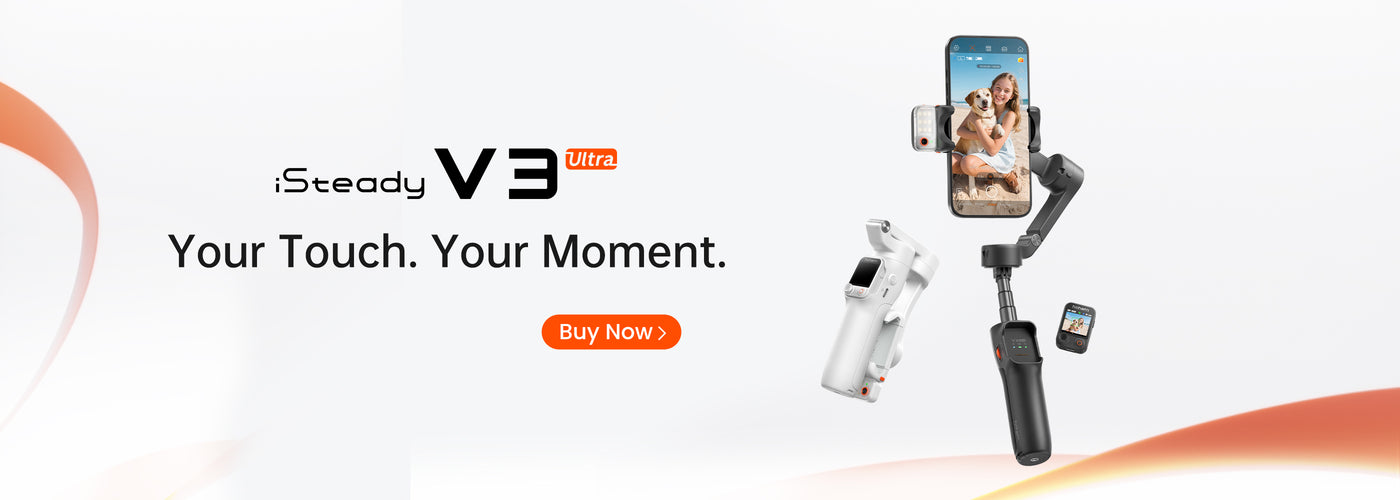
In the world of videography and filmmaking, achieving smooth and stable footage is paramount. If you've ever watched a movie or a music video and marveled at the smoothness of the camera movements, you’ve likely experienced the result of either a Steadicam or a gimbal. These devices have transformed the way content is shot, providing filmmakers with creative freedoms that were once hard to achieve. In this comprehensive guide, we will dive deep into the intricacies of both Steadicams and gimbals, examining their mechanics, advantages, and how they can enhance your storytelling.

Understanding the Basics: What are Steadicams and Gimbals?

To master the art of videography, it is crucial to grasp the fundamental differences and functions of Steadicams and gimbals. Both tools serve the primary purpose of providing stabilization, but they do so in different ways.

Steadicams: The Legacy of Stability

Developed in the 1970s, the Steadicam is a mechanical system that utilizes a two-part arm mounted on the operator’s body. This setup allows the camera to float smoothly, isolating it from jerking motions caused by the operator’s footsteps. The key advantage of a Steadicam is its ability to create a natural motion that feels human-centric, which can be particularly immersive in narrative filmmaking.

Gimbals: The Electronic Revolution

On the other hand, gimbals are a relatively newer invention in the stabilization lineup, using electrical motors and gyroscopic sensors to counteract unwanted movements. They are widely popular in both consumer and professional markets and are favored for their compact size and ability to allow rapid turns and movements while maintaining stability.

Why You Need Both: The Perfect Duo

While both technologies serve the same basic purpose, they each bring unique strengths to the table. A professional filmmaker often finds value in having both tools at their disposal to cater to varying shooting conditions and creative visions.

Steadicam: The Benefits

  • Natural Movement: Steadicams provide an organic feel to the footage, enhancing the viewer's connection to the narrative.
  • Heavy Payload Capacity: With a Steadicam, you can easily stabilize heavier cameras with various lens setups without compromising quality.
  • Long Shooting Durations: The design allows for extended use; thus, longer takes become feasible.

Gimbals: The Advantages

  • Lightweight and Portable: Many gimbals are compact, making them a great choice for travel and quick setups.
  • Smart Features: Gimbals often come with features like object tracking, time-lapse, and panorama modes, providing versatility.
  • Ease of Use: Designed with user experience in mind, gimbals tend to be more intuitive for beginners.

Choosing the Right Equipment for Your Needs

With the pros and cons of each stabilization method outlined, how do you decide which one is best for your specific project? The choice often comes down to the particular needs of your shoot.

Considerations for Steadicams

When choosing a Steadicam, consider:

  • Camera Weight: Ensure the Steadicam can accommodate your camera setup.
  • Budget: Steadicams vary widely in price, often requiring a significant investment for quality.
  • Mobility Needs: If your shoot requires navigating tight spaces, a Steadicam may prove challenging.

Things to Look Out for in Gimbals

For gimbals, think about:

  • Compatibility: Ensure that the gimbal is compatible with your camera and lens setup.
  • Battery Life: Look for models that offer extended battery life for long shooting days.
  • Advanced Features: Determine if you need advanced functionalities like follow focus or remote control.

Techniques and Tips for Optimal Usage

Using these devices effectively does require some practice and learning. Here are some techniques to optimize your shooting experience:

Steadicam Techniques

  1. Practice Your Walk: The key to Steadicam stability lies in your movement. A smooth, even gait translates to smooth footage.
  2. Adjust the Arm: The height and angle of the arm can make a big difference. Adjust for your specific height and shooting style.
  3. Breath Control: Holding your breath during crucial shots can aid in maintaining steadiness.

Gimbal Tips

  1. Calibrate Before Use: Calibration provides the best performance and stability. Always calibrate your gimbal to your specific setup before shooting.
  2. Utilize Different Modes: Many gimbals offer various modes such as follow mode or lock mode—take advantage of these to enhance your shots.
  3. Learn to Pan: Practice smooth, coordinated panning to create visually compelling shots.

The Evolution of Stabilization Technology in Filmmaking

The advancement in stabilization technology over the years reflects broader trends in videography and filmmaking. As the demand for high-quality video content continues to soar—from social media platforms to cinematic releases—the tools creators use must evolve as well.

As we move further into the digital age, innovations in both Steadicams and gimbals are expected to continue. Features ground in AI, extended battery life, and enhanced connectivity with mobile devices are just a few areas of growth to keep an eye on.

Real-World Applications: The Practical Side of Steadicams and Gimbals

The real magic happens when these tools are deployed in various settings. From blockbuster films to weddings, corporate videos, and travel vlogs, both Steadicams and gimbals bring visual storytelling to life. Understanding their practical uses can help you better harness their power to elevate your projects.

For Filmmakers

Filmmakers regularly use Steadicams for dynamic sequences, allowing for immersive storytelling as characters navigate through realistic settings with fluid movement. Gimbals, conversely, shine in fast-paced environments, such as action films or sporting events, where quick adjustments are necessary.

YouTubers and Content Creators

The rise of content creators and vloggers has provided new life to stabilization technology. Creators leverage gimbals for their ability to stabilize content while on the move, giving them the audience's full attention without distracting wobble. Meanwhile, Steadicams serve those who prioritize cinematic quality in their storytelling, appealing to an audience that respects the craftsmanship behind the video.

Both Steadicams and gimbals have evolved to create a symbiosis between versatility and stability, forming indispensable elements in today's filmmaking landscape. As technology progresses and the demand for quality content increases, knowing how to master these tools will remain a vital skill for every aspiring filmmaker or content creator.