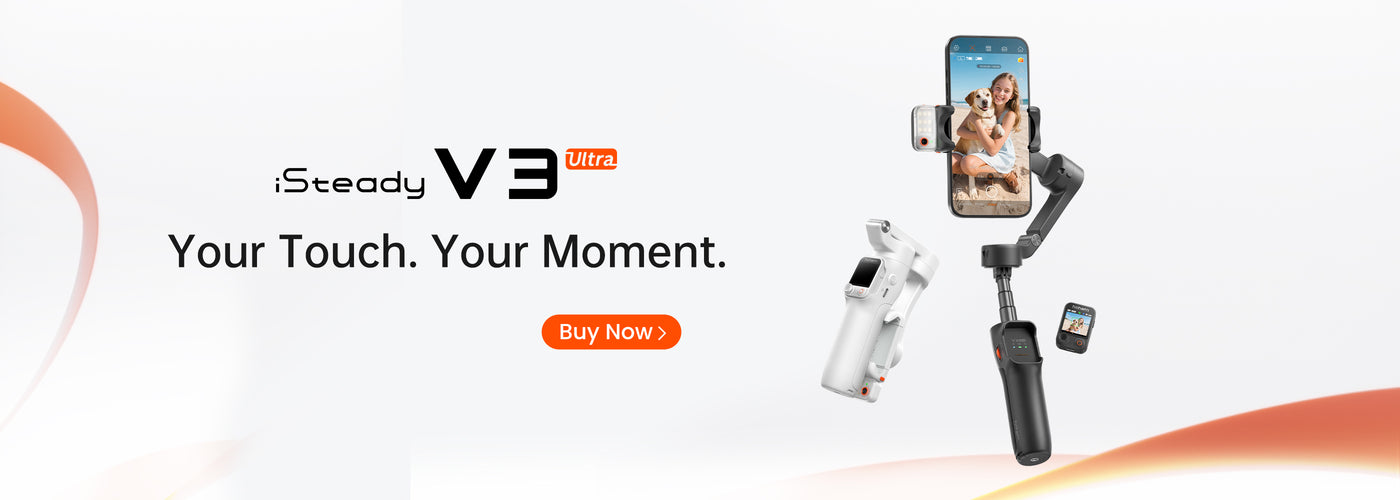
In the fast-paced world of photography and videography, standing out from the competition is crucial. A strong brand identity starts with an eye-catching logo, and for businesses dealing with camera gimbals, this is especially true. Your logo serves as the face of your brand, conveying professionalism and creativity, both of which are vital in the visual technology industry. In this article, we will delve into the key components of designing a compelling camera gimbal logo that resonates with your target audience and elevates your brand’s image.

Understanding the Importance of a Logo

Before diving into the specifics of logo design, it's essential to grasp why a logo is important to your business. A logo acts as a visual representation of your brand and plays a significant role in building your company’s identity. It helps consumers identify your products and services quickly and promotes brand loyalty. For camera gimbal manufacturers and sellers, a well-designed logo can signify quality, innovation, and reliability.

Defining Your Brand Identity

To design an effective logo, start by defining your brand identity. Ask yourself the following questions:

  • What are the core values of my business?
  • Who is my target audience?
  • What differentiates my products from competitors?
  • What emotions do I want my brand to evoke?

Understanding these elements is crucial as they will inform your design choices, from color schemes to font selections, ensuring your logo aligns with your overall brand messaging.

Logo Elements to Consider

1. Color Palette

Colors evoke emotions and perceptions. For camera gimbals, you might want to consider colors that convey technology, precision, and reliability. Blues and blacks often symbolize professionalism, while greens might evoke creativity and nature. Experiment with different combinations to see what resonates best with your brand identity.

2. Typography

The typeface you choose plays a significant role in your logo's readability and overall impression. Clean, modern fonts can express innovation and technology, while more traditional fonts might convey reliability and experience. Ensure that your typography is legible across different sizes, especially since logos need to work on various platforms.

3. Iconography

An icon in your logo can help enhance brand recognition. For camera gimbals, this could be a stylized camera, a representation of motion, or even an abstract design that indicates stability and fluidity. Keep the design simple yet memorable, allowing it to be easily recognizable at a glance.

Incorporating Industry Trends

Staying up-to-date with current design trends in the photography and videography industry can help make your logo more relevant. For instance, minimalistic designs are increasingly popular, as are geometric shapes that signify precision. Pay attention to emerging trends and consider how they can enhance your logo without compromising your brand identity.

Creating Variations for Versatility

A powerful logo should be versatile enough to work in various formats and sizes. Design multiple variations of your logo, including a full-color version, a monochrome option, and a simplified icon. This versatility ensures that your logo looks great whether it's on a business card, your website, or a large banner at a trade show.

Feedback and Iteration

Once you have your initial designs, gather feedback from colleagues, stakeholders, or even potential customers. Consider conducting surveys to see which designs resonate most with your target audience. Be open to revisions based on constructive criticism, and don't hesitate to iterate on your designs until you find the perfect representation of your brand.

Testing Your Logo

Before finalizing your logo, test it across various media. Ensure it looks good in print, on websites, and even on social media platforms. Testing your logo in different contexts will help you determine its adaptability and effectiveness in real-world applications.

Establishing Brand Consistency

Once you have your logo, keep brand consistency in mind across all your marketing materials. This includes your website, promotional items, social media, and product packaging. Consistent use of your logo helps reinforce brand recognition and builds trust with consumers.

Leveraging Your Logo for Marketing

Your logo should not only represent your brand in a visually appealing manner but also be a tool for marketing. Incorporate it into your promotional materials, product advertisements, and online presence. Utilize your logo to create a cohesive brand experience that engages customers and helps them remember your products.

Conclusion

The journey of creating a camera gimbal logo is both exciting and challenging. However, with a clear understanding of your brand identity, thoughtful design choices, and consistent application, your logo can become a powerful asset that enhances your brand image in the competitive world of photography and videography.