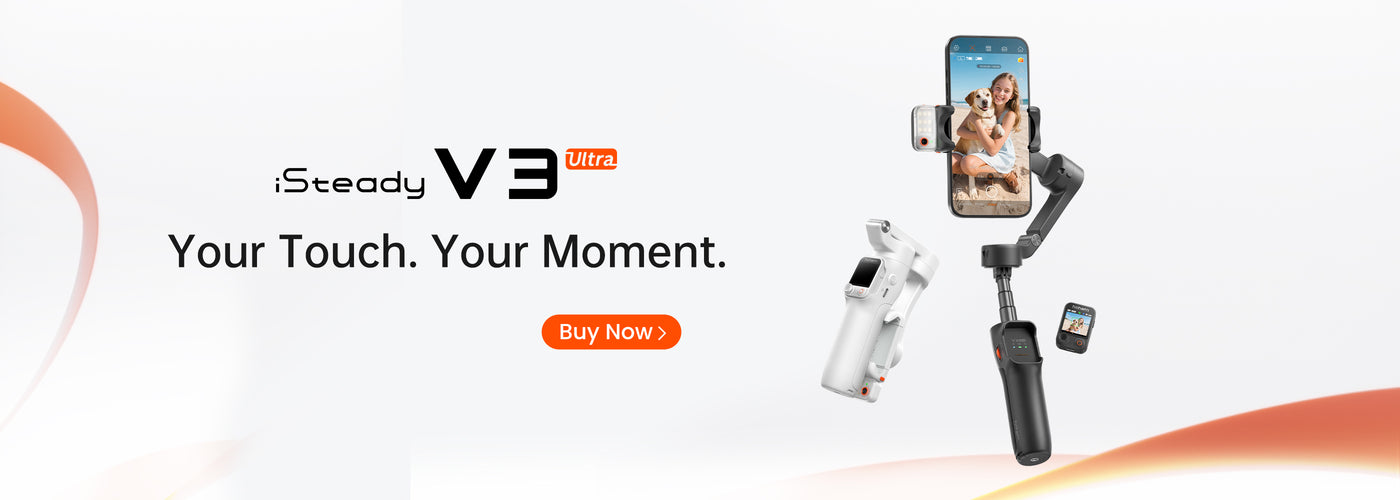
In the dynamic world of videography and photography, technology continues to evolve, offering new tools that empower creatives to capture stunning visuals effortlessly. One such innovative advancement is the integration of AI trackers with gimbals. AI trackers enhance the capability of gimbals, providing users with the ability to produce smooth cinematic shots while keeping subjects in focus, even in fast-paced environments. In this comprehensive guide, we'll explore what AI trackers are, how they work in conjunction with gimbals, and why they're becoming indispensable tools for modern videographers.

What is an AI Tracker?

An AI tracker is a sophisticated piece of technology designed to recognize and follow subjects in a scene autonomously. Utilizing computer vision and machine learning algorithms, these devices can differentiate between various objects, ensuring that the tracking is precise and accurate, even as the subject moves through complex environments.

AI trackers can be integrated into various devices, but their functionality shines particularly when paired with gimbals. Gimbals themselves are mechanical stabilizers that use motors to counteract unwanted movements, producing smooth footage. Coupling an AI tracker with a gimbal takes stability to the next level, automating the process of framing and following moving subjects while reducing the operator's manual workload.

How AI Trackers Work with Gimbals

Understanding how AI trackers operate can help you appreciate their value when used alongside gimbals. These trackers utilize advanced algorithms and camera sensors to detect and identify subjects. Once a subject is locked in, the AI tracker communicates with the gimbal's motors to adjust the camera's position accordingly.

For example, if you are filming a fast-moving subject, like a running athlete or a racing car, the AI tracker can lock onto that subject and automatically adjust the gimbal's orientation, ensuring that your shot remains stable and focused. This ability to maintain focus, even during rapid movement, allows filmmakers to produce high-quality footage without the need to constantly adjust the camera manually.

Benefits of Using AI Trackers with Gimbals

There are numerous advantages to integrating AI trackers with gimbals, including:

1. Improved Shooting Efficiency

AI trackers significantly enhance the efficiency of the shooting process. Operators can focus more on the creative aspect of their work rather than constantly adjusting the camera. This allows for a smoother workflow and minimizes the potential for missed shots.

2. Enhanced Focus

One of the biggest challenges in videography is maintaining focus on moving subjects, especially in dynamic settings. AI trackers excel in this area, allowing you to maintain stable focus without having to rely on manual adjustments.

3. Greater Creative Control

With the AI tracker managing focus and stabilization, filmmakers can experiment with more creative shots and angles, confident that their subjects will remain in frame without losing quality.

4. Versatility Across Shooting Conditions

Whether you're shooting in crowded environments, sporting events, or unique landscapes, AI trackers adapt to various conditions, making them a versatile tool for any videographer.

Choosing the Right AI Tracker for Your Gimbal

When selecting an AI tracker, consider the following factors:

1. Compatibility with Your Gimbal

Not every AI tracker is compatible with every gimbal. Ensure that the tracker you choose can integrate seamlessly with your specific model.

2. Tracking Range and Accuracy

Evaluate the tracking range and accuracy of the AI tracker. Look for models that offer high precision and versatility, allowing for broad movement without losing the subject focus.

3. User Reviews and Feedback

Before making a purchase, read user reviews to understand how well the AI tracker performs in real-world situations. Feedback from fellow filmmakers can provide valuable insights.

4. Software and Update Support

Choose AI trackers that receive regular software updates, as these can improve functionality and ensure compatibility with new gimbal models and camera systems.

Tips for Maximizing Your Gimbal and AI Tracker Combination

To get the most out of your gimbal and AI tracker setup, consider the following tips:

1. Practice with Settings

Spend time experimenting with different settings and configurations. Adjusting parameters like speed, follow modes, and sensitivity can yield varied results and improve your footage.

2. Use Manual Override When Necessary

While AI trackers are powerful tools, there may be times when manual adjustments are necessary, especially in complex or crowded environments. Understanding how to switch between auto and manual modes can be beneficial.

3. Optimize Your Environment

Whenever possible, choose shooting environments that are conducive to tracking. For example, avoid clutter that might confuse the AI tracker and impede its ability to focus on the subject.

4. Regularly Update Firmware

Keep your AI tracker’s firmware up to date to ensure optimal performance. Manufacturers frequently release updates that improve functionality and fix bugs.

Conclusion

As technology continues to advance, the synergy between AI trackers and gimbals represents a paradigm shift for videographers. By embracing these modern tools, creators can improve their shooting prowess, enhance their creative possibilities, and produce stunning visual content that resonates with their audience.

For filmmakers and content creators looking to elevate their craft, investing in an AI tracker for their gimbal is no longer a luxury—it's a necessity in a competitive landscape where quality and efficiency define success. Start your journey in this exciting frontier today, and watch your storytelling skills reach unparalleled heights.