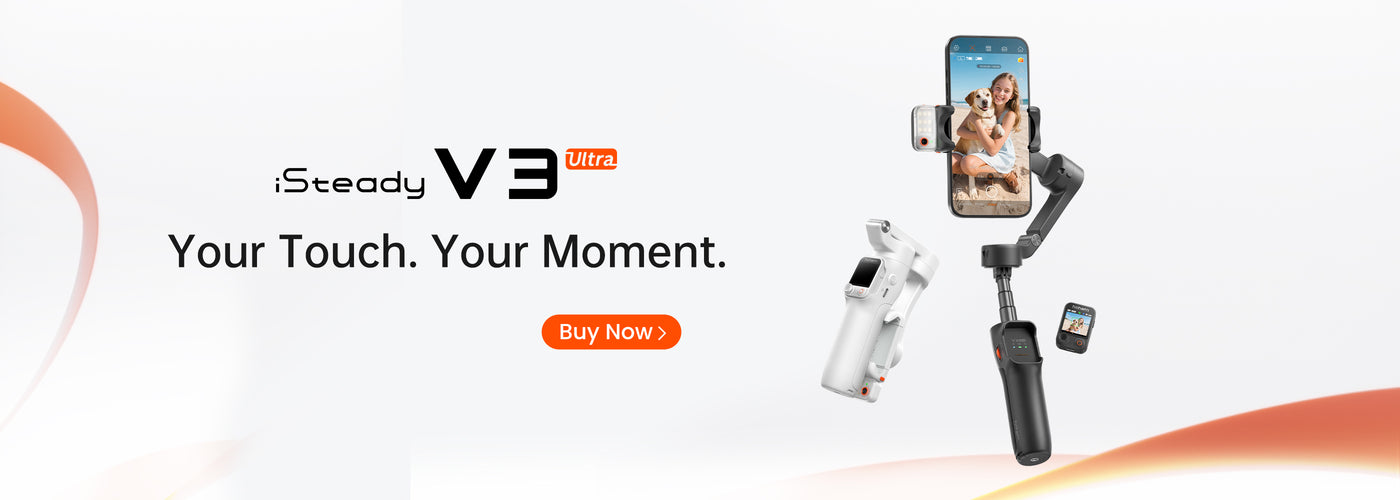
Welcome to the future of photography and videography—an era where creativity knows no bounds, especially with the use of camera gimbal stabilizer drones. These technological marvels have revolutionized the way we capture stunning aerial footage, making it accessible to both professional photographers and recreational users alike. In this guide, we will explore the significance of gimbals, the best drone options available, and the tips you need to master aerial stabilization.

Understanding Camera Gimbals

A camera gimbal is a pivoted support that allows the rotation of an object about an axis. For drones, it’s primarily used to keep your camera stable while in the air, ensuring that the footage remains smooth and shake-free. This is particularly crucial in dynamic shooting environments where turbulence and rapid movements could compromise the quality of the visuals.

Gimbals come in two-axis and three-axis configurations. A two-axis gimbal stabilizes tilt and roll, while a three-axis gimbal also stabilizes pan. Opting for a three-axis gimbal allows for the best possible stabilization and is highly recommended for serious aerial work.

Why You Need a Gimbal Stabilizer Drone

Whether you're a budding filmmaker or a seasoned photographer, stable footage is essential for creating professional-grade content. Here are several reasons why investing in a gimbal stabilizer drone is worthwhile:

  • Smooth Footage: Dramatic movements and transitioning shots remain silky smooth, allowing for a cinematic experience.
  • Professional Quality: Gimbals significantly reduce camera shake, contributing to higher-quality videos that look professionally produced.
  • Versatility: Capture footage in a variety of settings, from fast-moving action sports to serene landscape shots.
  • Improved Creativity: Use creative aerial angles and movements that were previously challenging to achieve without disruption.

Choosing the Right Gimbal Drone

With many options available, selecting the ideal gimbal stabilizer drone requires consideration of several factors—your budget, intended use, and portability needs. Below are some popular models to consider:

1. DJI Mavic Air 2

The DJI Mavic Air 2 blends powerful flight performance with an impressive camera. It features a three-axis gimbal that ensures stability during flight and can capture stunning 4K video at 60 fps. With a compact design, it’s perfect for travel and outdoor adventures.

2. DJI Phantom 4 Pro V2.0

This professional-grade drone offers a robust gimbal and a large 1-inch sensor capable of shooting 4K at 60 fps. Its exceptional stabilization systems make it a go-to option for filmmakers and content creators demanding high-quality video operations.

3. Autel Robotics EVO Lite+

This drone is praised for its incredible flight time and camera specifications. The three-axis gimbal helps maintain smoothness in shots, whether you’re flying at high speeds or during windy conditions.

4. Skydio 2

Known for its autonomous flying capabilities, the Skydio 2 uses advanced AI to avoid obstacles effectively while capturing stunning shots. Its gimbal system ensures that no matter how complex the environment, the resulting footage remains stable.

Essential Tips for Using Gimbal Stabilizer Drones

Now that you’ve chosen your gimbal drone, let’s dive into some essential tips to help you maximize its potential:

1. Calibrate Your Gimbal

Before each flying session, ensure your gimbal is properly calibrated. Calibration adjusts the gimbal settings to accommodate any shifts, ensuring optimal performance.

2. Utilize Intelligent Flight Modes

Many drones come with intelligent flight modes, such as active tracking, point of interest, and waypoint flying. These modes can help you achieve complex shots effortlessly.

3. Master Your Moves

Practice makes perfect. Spend time piloting the drone in different scenarios to understand how it reacts to your commands. Smooth, slow movements often yield the best results.

4. Pay Attention to Wind Conditions

Strong winds can significantly impact footage stabilization. Always check the weather conditions before flying and avoid extremely windy environments.

5. Use ND Filters

Neutral Density (ND) filters help control exposure and reduce shutter speed, enhancing the cinematic look of your videos. They can help achieve a more polished result, keeping the footage fluid.

Editing Techniques for Gimbal Stabilized Footage

The work isn’t over once the footage is captured. Post-production is just as essential in creating stunning content. Here are a few techniques to enhance your gimbal-stabilized footage:

1. Color Grading

Enhancing the colors in your footage can dramatically elevate production quality. Use software like Adobe Premiere Pro or DaVinci Resolve to adjust the color profile and achieve your desired aesthetic.

2. Stabilization Plugins

While gimbals do a great job of stabilizing footage, using editing software with additional stabilization effects can further refine your videos.

3. Incorporate Smooth Transitions

Add creativity with various transitions between shots. Soft fades, whip pans, and dissolves can maintain the viewer's engagement and flow from one scene to another seamlessly.

4. Sync with Music

Sound design plays a crucial role in video production. Syncing your footage to a compelling soundtrack can enhance the overall experience, making your content more engaging.

Camera gimbal stabilizer drones have become essential tools for anyone serious about video production. They not only bring your creative vision to life but also automate and simplify the filming process, allowing you to focus on storytelling rather than technical challenges. As the technology continues to evolve, we can only expect the possibilities to expand even further, making this an exciting time to be involved in drone photography and cinematography.