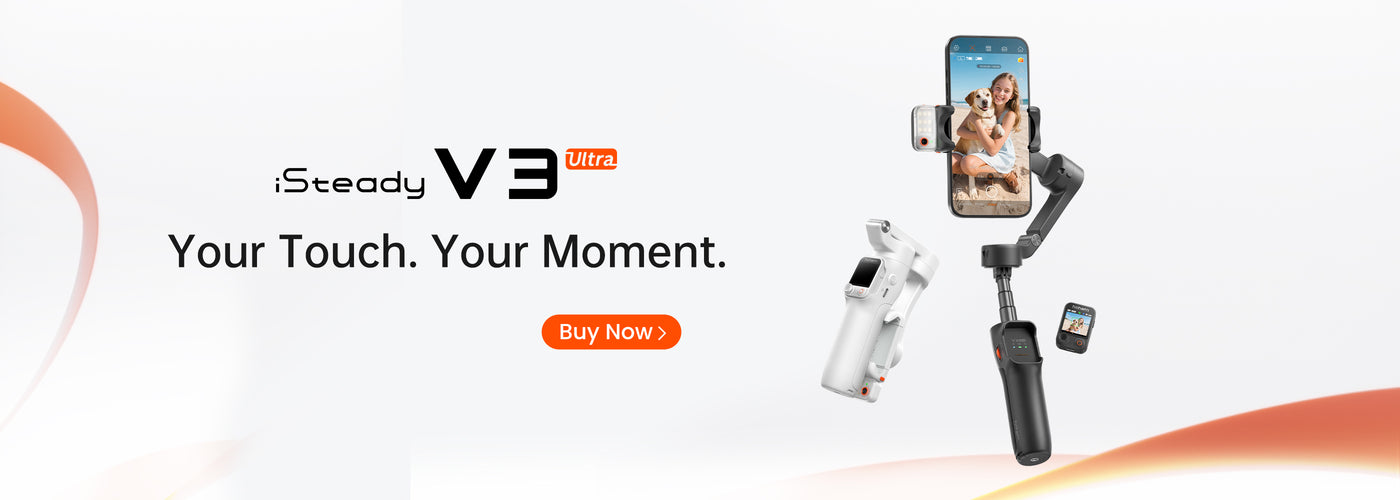
In the world of filmmaking and photography, creating smooth, professional-looking shots is essential. Whether you’re shooting a short film, a commercial, or covering a live event, the quality of your footage can make or break your project. One of the most important pieces of equipment in achieving that coveted cinematic look is a camera stabilizer. Among the most popular options are camera stabilizer gliders and orbiters. In this guide, we’ll delve into what these tools are, how they work, and how to choose the right one for your needs.

Understanding Camera Stabilizers

Camera stabilizers are devices designed to minimize unwanted camera movement, allowing for smoother shots during filming. By balancing the camera and its weight, stabilizers counteract any shaking or jolting that could occur during movement. This technology is vital for producing high-quality video content, especially when filming on the move.

Types of Camera Stabilizers

There are several types of camera stabilizers available today, including handheld stabilizers, gimbals, and sliders. However, gliders and orbiters hold a special place in the toolkit of a filmmaker for their unique capabilities.

Camera Stabilizer Gliders

Camera stabilizer gliders, also known as sliders, are pieces of equipment that allow the camera to slide smoothly along a track. This motion adds a dynamic element to your shots without introducing any jerks or shakes. Gliders come in various sizes; some are compact and portable for quick setups, while others are larger and designed for professional use.

Features of Camera Gliders

  • Adjustable Length: Many camera gliders come with adjustable lengths, providing versatility depending on the area you’re filming.
  • Ball Bearing Wheels: High-quality gliders have ball bearing wheels that enable smooth movement, critical for achieving fluid shots.
  • Versatile Mounting Options: Gliders should provide multiple mounting options, ensuring compatibility with different camera setups, including DSLRs and mirrorless cameras.

Camera Orbiters

Camera orbiters, on the other hand, allow you to capture sweeping circular shots around an object or subject. This motion can be incredibly engaging for the viewer and adds a layer of professionalism to your work. Orbiters typically operate on a pivot system, allowing the camera to maintain a steady focus while moving around the subject.

Features of Camera Orbiters

  • Stable Axis Control: Quality orbiters come with a stable axis control system to ensure that the camera remains focused during the orbiting motion.
  • Compact Design: Many modern orbiters are designed to be compact and lightweight, making them easy to transport and set up.
  • Programmable Movements: Advanced orbiters may include programmable settings, allowing for repeatable, precise movement patterns.

Choosing the Right Stabilizer for Your Needs

Now that you have an understanding of gliders and orbiters, choosing the right stabilizer for your project is essential. Here are some factors to consider:

1. Type of Projects

Think about the nature of the projects you typically work on. If you often shoot interviews or narrative films, a glider might be more beneficial. However, if you need to create engaging product showcases or event coverage, an orbiter could elevate your shots significantly.

2. Budget

Like any piece of technology, stabilizers come in a wide range of prices. Determine your budget beforehand and stick to it. While there are high-end options available, there are also budget-friendly models that offer excellent functionality.

3. Portability

If you often film on the go, consider the portability of your stabilizer. This includes weight, size, and ease of assembly. Some stabilizers can take a long time to set up, which can be problematic if you need to capture spontaneous moments.

4. Camera Compatibility

Ensure that the stabilizer you select can accommodate the type of camera you use. Read specifications carefully to confirm compatibility with your specific make and model.

Tips for Using Camera Stabilizer Gliders and Orbiters

To maximize the effectiveness of your glider or orbiter, here are some tips:

1. Practice Makes Perfect

The more you practice using your stabilizer, the better your shots will become. Take time to familiarize yourself with the equipment and try different techniques.

2. Pay Attention to Weight Distribution

When using a glider, ensure that your camera and its accessories are evenly balanced on the slider. This balance is crucial for achieving smooth motion and minimizing shakes.

3. Use the Right Speed

When operating your stabilizer, whether glider or orbiter, the speed of your movements matters. Taking it slow can often produce the best results. Rushing can lead to jittery, uncontrollable footage.

Innovative Techniques with Stabilizers

Advanced users have developed several unique techniques using gliders and orbiters to achieve even more engaging shots:

1. Combinations

Combine glider movements with orbiting techniques to create unique perspectives that captivate your audience. This hybrid technique requires coordination but can yield stunning results.

2. Follow Shots

Using a glider, you can create follow shots that smoothly capture action scenes without losing focus on the subject. This technique is particularly effective in dynamic environments.

3. Time-Lapse with Orbiters

Utilize an orbiter for time-lapse photography by allowing the camera to move slowly around a static subject. This method can enhance your time-lapse shots with unique angles.

Final Thoughts

As a filmmaker or photographer, investing in a camera stabilizer glider or orbiter can significantly enhance the quality of your work. With the ability to produce smoother shots, these tools allow you to elevate your storytelling through compelling visuals. Understanding the differences between these stabilizers and applying the right techniques can lead to stunning footage that captures the attention of your audience. Whether you're a hobbyist or a professional, integrating these stabilizers into your workflow is a step toward achieving cinematic excellence.