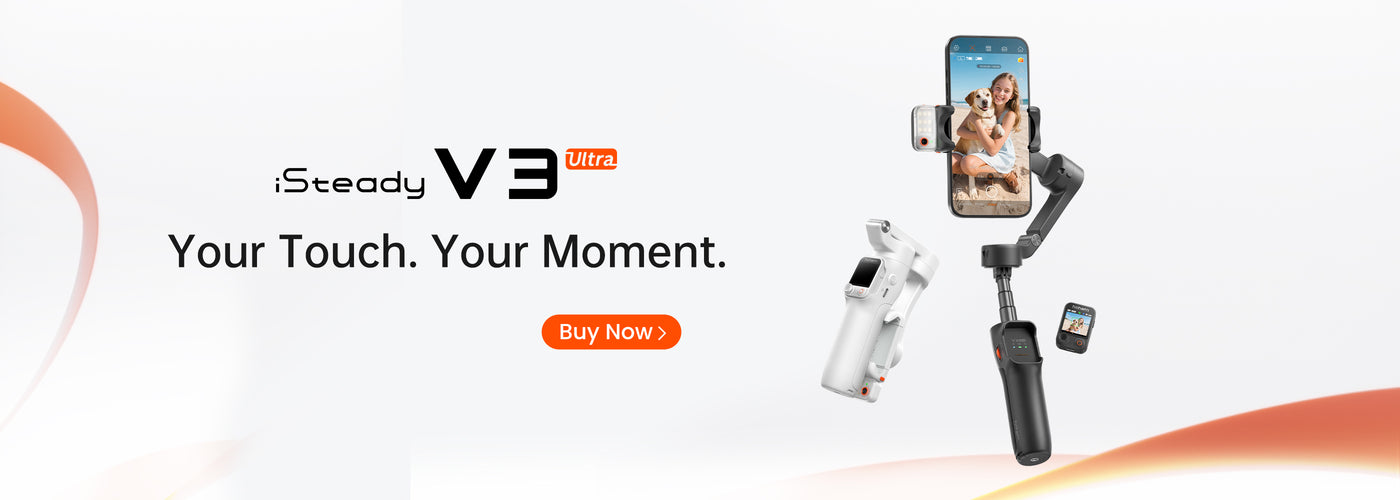
As photography and videography continue to grow as popular forms of expression, maintaining the stability of your shots becomes increasingly essential. A 3-axis DSLR camera gimbal is a game-changer in the world of stabilizing accessories. It allows content creators and filmmakers to capture smooth and dynamic footage effortlessly. This guide dives into everything you need to know about choosing the perfect 3-axis gimbal for your DSLR camera.

Understanding 3-Axis Gimbals

A gimbal is a pivoted support that allows the rotation of an object about a single axis. In the realm of video production, a 3-axis gimbal stabilizes your camera on three axes of motion: yaw (horizontal rotation), pitch (up and down), and roll (tilting side to side). This technology is crucial for eliminating shake and jitter, resulting in professional-looking footage.

Why Use a 3-Axis Gimbal?

When shooting on the move or while engaging in dynamic actions, a handheld camera is prone to unwanted movement. This is where a 3-axis gimbal comes in. Here are some reasons to consider investing in one:

  • Smoother Footage: Gimbals help achieve silky-smooth tracking shots even while walking, running, or navigating tricky terrain.
  • Creative Angles: Many gimbals come equipped with modes like 'inception mode', allowing users to create unique angles and perspectives.
  • Improved Focus: With a stabilized camera, focusing becomes easier, which is ideal for capturing fast-moving subjects.
  • Comfort During Long Shoots: Gimbals reduce the strain on your arms when shooting for extended periods.

Key Features to Consider

Choosing the right 3-axis gimbal requires understanding the key features that may impact your shooting experience. Here’s what to look for:

1. Payload Capacity

Every gimbal has a maximum payload weight. Ensure the gimbal can handle the weight of your DSLR camera along with any additional accessories, such as lenses and external microphones.

2. Battery Life

Long filming sessions require substantial battery life. Look for gimbals that offer at least 10 hours of operational time to avoid interruptions during shoots.

3. Build Quality

Durability is essential, especially if you shoot in rugged conditions. Aluminum or high-quality plastics are often preferred materials for gimbals.

4. Control Options

Check if the gimbal offers a mobile app for additional control over camera settings. Some models also feature thumb controls for ease of adjustment while shooting.

5. Size and Weight

When carrying a gimbal for long periods, its weight and size become critical. Look for a lightweight option that’s easy to set up and transport.

Types of 3-Axis Gimbals

Gimbals come in various types tailored to specific uses. Here's a breakdown:

Handheld Gimbals

Designed for on-the-go videographers, these are versatile and user-friendly, making them suitable for various shooting scenarios.

Wearable Gimbals

These gimbals can be attached to your body or other surfaces, offering unique perspectives. They are particularly useful for action shots in sports or adventure activities.

Camera-mounted Gimbals

Integrated into brackets or rigs, these are ideal for those who prefer greater control and the ability to shoot from different angles without manually adjusting the gimbal.

Best 3-Axis Gimbals on the Market

Now that you know what to look for, let's explore some of the best 3-axis gimbals available:

1. DJI Ronin-S

The Ronin-S boasts an impressive payload capacity and exceptional stabilization technology. Its compact design and user-friendly controls make it perfect for DSLR users.

2. Zhiyun Crane 2

This gimbal offers an extraordinary battery life, allowing up to 18 hours of continuous use. Moreover, it features a follow focus system, enhancing the filming process.

3. Moza Air 2

The Moza Air 2 is well-regarded for its affordability without sacrificing features. Its versatility allows for impressive tracking shots without extensive setup.

Tips for Using Your Gimbal Effectively

Once you’ve chosen a gimbal, the next step is mastering it. Here are tips to get started:

1. Balance Your Camera

Ensure your camera is perfectly balanced on the gimbal to achieve optimal stabilization. Unbalanced setups can lead to vibrations and unwanted movements.

2. Practice Different Modes

Most gimbals come with multiple operation modes. Familiarize yourself with modes such as follow mode, lock mode, and pan mode to maximize your creative possibilities.

3. Utilize Accessories

Use extension arms, counterweights, and other accessories to enhance your shooting angles and overall gimbal performance.

Maintenance of Your Gimbal

To ensure the longevity of your gimbal, regular maintenance is key. Here are some maintenance tips:

1. Clean After Use

Always clean your gimbal after heavy use, especially after shooting in dusty or wet environments. Use microfiber cloths and gentle cleaners to keep it in pristine condition.

2. Store it Properly

Invest in a protective case for your gimbal to prevent damage during transport. Store it in a cool, dry place away from direct sunlight.

3. Firmware Updates

Keep the firmware of your gimbal updated to benefit from new features and improve performance.

Final Thoughts

Investing in a 3-axis DSLR camera gimbal will undoubtedly elevate your filmmaking and photography experience. As you navigate through different models, remember to keep in mind the features that align with your specific needs and shooting style. By mastering the use of a gimbal and maintaining it properly, you’ll unlock the potential for stunning, cinematic-quality footage that can capture the essence of your creative vision.