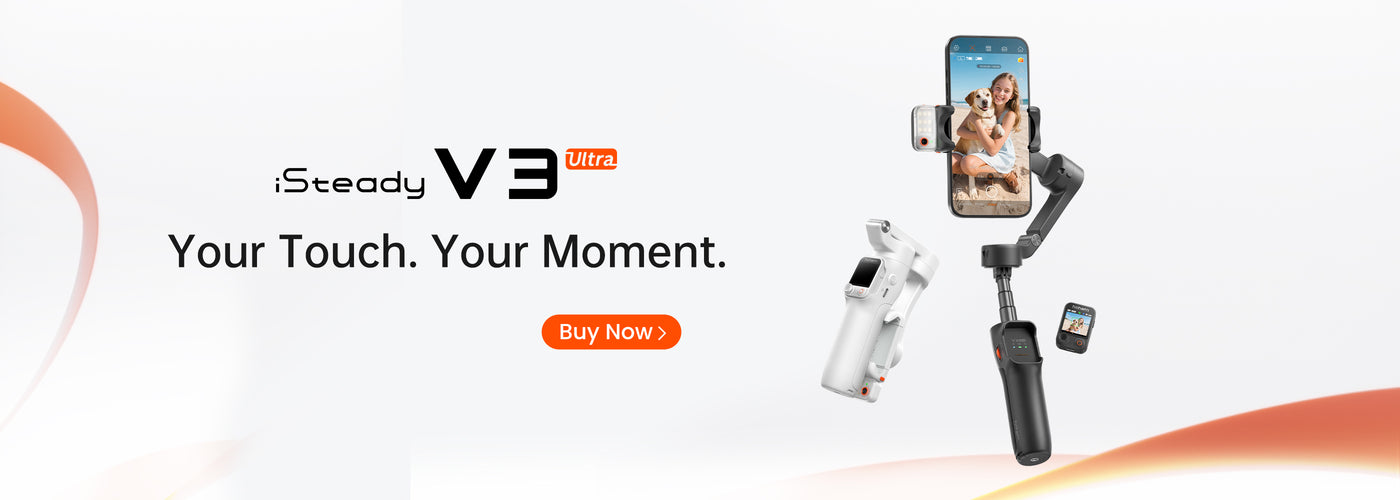
In the world of videography, capturing the perfect shot can often hinge on one essential tool: a camera stabilizer. Whether you're a professional filmmaker or an aspiring content creator, the importance of stable footage cannot be overstated. This guide will explore camera stabilizers' best options, helping you find the right tool for your creative needs.

Understanding Camera Stabilizers

Camera stabilizers, often referred to as gimbals or steadicams, are devices designed to eliminate unwanted camera movement. They help achieve smoother shots even when the camera operator is moving. The level of stabilization varies based on the type of stabilizer you choose, which can significantly impact the final product if you're shooting a professional video.

Types of Camera Stabilizers

Before diving into reviews, understanding the different types of stabilizers is crucial. There are primarily three types:

  • Gimbals: These are electronic stabilizers that allow for 3-axis stabilization. They use motors to compensate for any movement, which results in buttery-smooth footage.
  • Shoulder Rigs: These provide stability by redistributing the camera's weight to your shoulder. They are great for handheld shooting over longer periods.
  • Handheld Stabilizers: These employ counterweights to balance the camera and can be used for dynamic shots but require practice for proper usage.

Top Camera Stabilizers of 2025

1. DJI Ronin-S

The DJI Ronin-S has gained a reputation as one of the best gimbals on the market. Featuring a 3-axis design, it is compatible with a wide range of DSLR and mirrorless cameras. Its intuitive controls and solid build make it the go-to choice for many filmmakers. The Ronin-S also offers various creative shooting modes, such as "Force Mobile," allowing for dynamic camera movements that respond to your hand motions.

2. Zhiyun Crane 2S

The Zhiyun Crane 2S is an upgrade that combines powerful stabilization with comprehensive camera control. It features an upgraded motor for enhanced performance, capable of supporting heavier camera setups. The Crane 2S is known for its versatility, allowing users to switch between horizontal and vertical shooting effortlessly. Additionally, its easy-to-navigate touchscreen interface simplifies settings adjustments on the fly.

3. Moza AirCross 2

For those seeking a compact and lightweight solution, the Moza AirCross 2 shines brightly. With a payload capacity suitable for a range of cameras, it also comes equipped with smart features like time-lapse and object tracking functionality. The AirCross 2 is designed for users moving frequently; its long-lasting battery life ensures you can shoot for extended periods without interruption.

4. FeiyuTech AK2000C

The FeiyuTech AK2000C offers a great balance of affordability and functionality. This gimbal is suitable for amateurs and pros alike, featuring a user-friendly interface and a robust build. It supports numerous creative modes and is highly portable, making it perfect for travelers. Plus, it offers a unique feature where you can adjust the settings through an accompanying smartphone app.

Factors to Consider When Choosing a Camera Stabilizer

With numerous options on the market, selecting a camera stabilizer that fits your specific needs can be overwhelming. Here are some critical factors to consider:

Payload Capacity

Ensure the stabilizer can handle your camera setup, including lenses and accessories. Exceeding the weight limit can result in subpar stabilization.

Size and Weight

Look for a stabilizer that is portable and easy to handle. Heavy and bulky stabilizers may hinder mobility, especially during long shoots.

Battery Life

A long-lasting battery is essential, particularly for all-day shoots. Some gimbals come with replaceable battery options, which can be a lifesaver when you're on the go.

Ease of Use

Your stabilizer should offer intuitive controls, making it easier to adjust settings quickly. Learning curve can significantly affect your shooting experience.

Price

While you want a reliable stabilizer, there are options at every price point. Determine your budget and compare features to find the best value.

Best Practices for Using a Camera Stabilizer

Once you’ve chosen the right stabilizer, mastering its use is vital. Here are some best practices:

Balance Your Setup

Always balance your camera properly before filming. A balanced setup not only ensures smoother footage but also reduces strain on the stabilizer’s motors.

Practice, Practice, Practice

Learning to use a stabilizer effectively takes time and practice. Spend hours experimenting with different movements and settings to find what works best for your style.

Utilize Creative Modes

Many gimbals come equipped with unique shooting modes that can enhance your footage. Explore these modes to expand your creative options.

Final Thoughts

Investing in a quality camera stabilizer can significantly elevate your videography skills. With options ranging from budget-friendly to high-end models, there's a stabilizer for every type of content creator out there. By understanding your needs and considering the factors discussed, you can find the perfect stabilizer to produce stunning, stable footage that captivates your audience.