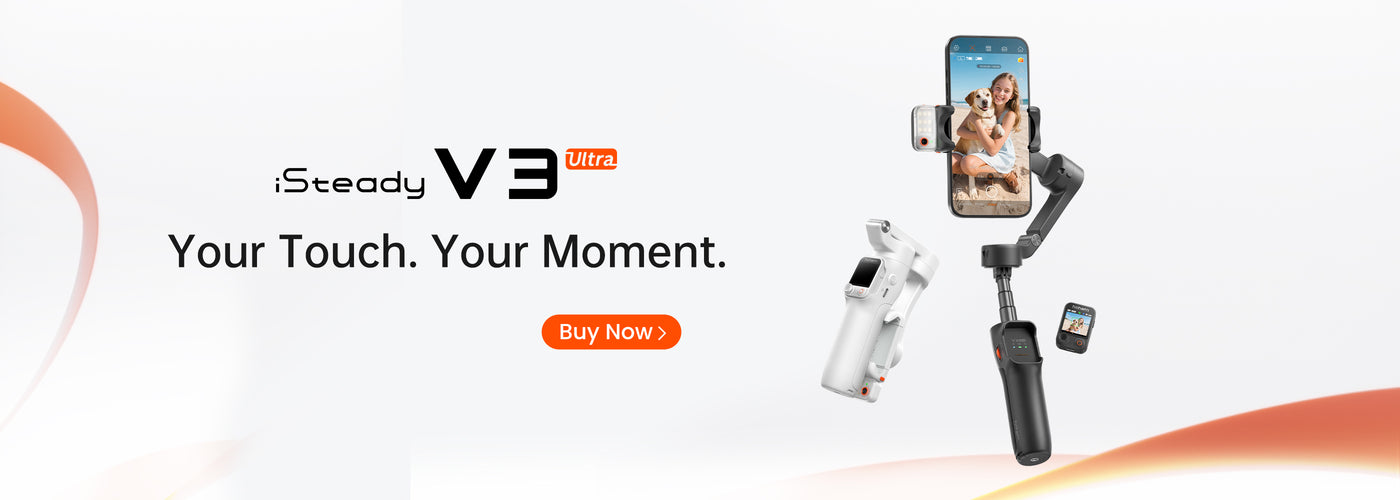
In the realm of photography and videography, a DSLR camera stabilizer is an indispensable tool for those who want to achieve professional-grade shots. Whether you are filming a wedding, a documentary, or even a personal project, maintaining fluid, shake-free footage is crucial. In this article, we will explore the various types of DSLR stabilizers available, their advantages, and how to choose the best one suited for your needs.

Understanding DSLR Camera Stabilizers

Camera stabilizers are devices designed to reduce the shake caused by hand movements when capturing video or taking photographs. They dramatically enhance video quality by providing stability, ensuring that your shots are smooth and professional-looking. There are various types of stabilizers, including handheld gimbals, shoulder rigs, and glidecams, each serving a different purpose and style of shooting.

Types of DSLR Stabilizers

To better understand camera stabilizers, let’s look into the most popular types:

  • Handheld Gimbals: These electronic devices use motors to balance the camera on three axes, allowing for unprecedented stabilization while you move. They are perfect for dynamic shooting scenarios where you need to follow your subject.
  • Shoulder Rigs: Designed to be worn on the body, these rigs distribute the weight of the camera comfortably across your shoulder. They allow for greater control and stability while still giving the operator the freedom to move.
  • Glidecams: These rely on weights and springs rather than motors, offering a more traditional approach to stabilization. Glidecams can take time to master, but they yield excellent results once you get the hang of them.

Why You Need a DSLR Stabilizer

Investing in a DSLR stabilizer comes with numerous benefits:

  • Improved Video Quality: A stabilizer minimizes unwanted movements, helping you achieve smooth and cinematic shots.
  • Professional Appeal: Quality footage is essential in attracting clients if you’re a freelancer. A stabilizer elevates your work, showcasing professionalism.
  • Creative Freedom: With stabilizers, you can experiment with a variety of shots, including tracking, panning, and tilted movements, which would otherwise be difficult to achieve steadily.

How to Choose the Right Stabilizer for Your DSLR

Choosing the right stabilizer can be overwhelming, given the vast array of options. Here are key factors to consider:

1. Weight Compatibility

Before making a purchase, ensure that the stabilizer you choose can handle the weight of your camera and lens combination. Check the manufacturer's specifications for the maximum load capacity.

2. Type of Shots

Consider the types of shots you plan to collect. For instance, if you need rapid movements with fluidity, a handheld gimbal is more appropriate. Alternatively, if you are focused on static or slow-moving shots, a glidecam or shoulder rig may suit you better.

3. Budget

Camera stabilizers come in a wide range of prices. Determine your budget and find the best options available within that range. Remember that sometimes, investing more can yield better quality and durability.

4. Build Quality

Look for products made from sturdy and lightweight materials to ensure longevity without adding unnecessary weight to your setup.

Top DSLR Stabilizers to Consider

Now that you know what to look for, here are some top picks in the market:

1. DJI Ronin-S

This handheld gimbal is perfect for DSLR users looking for high performance. It offers advanced stabilization technology, user-friendly controls, and a battery life of up to 12 hours.

2. Glidecam HD-Pro

The Glidecam HD-Pro is an excellent choice for filmmakers looking for traditional stabilization methods. It’s adjustable and allows for precise control with a classic design.

3. Neewer Carbon Fiber Shoulder Rig

This cost-effective shoulder rig provides a stable platform for your DSLR. With adjustable settings and a lightweight frame, it's perfect for any videographer on a budget.

Tips for Using a DSLR Camera Stabilizer

Once you’ve acquired a stabilizer, mastering its use is essential for optimal performance. Here are some practical tips for beginners:

1. Practice Before Shooting

Take your stabilizer for a test run. Practice your movements without the pressure of shooting to get accustomed to how it functions.

2. Always Lock Off When Not in Use

When you’re not actively shooting, lock your gimbal in position to prevent accidental movements that could cause wear or misalignment.

3. Keep Your Movements Smooth

Fluidity is key—make sure your movements are gentle and gradual to maintain evenness. Avoid sudden jerks or stops that could disrupt stabilization.

Common Issues and Troubleshooting

Like all equipment, DSLR stabilizers can sometimes run into issues. Here are some common problems and how to troubleshoot them:

1. Drift

If your stabilizer seems to drift, ensure that the camera is properly balanced. Rebalance the rig, making adjustments to the weight distribution as necessary.

2. Battery Issues

Always charge your stabilizer’s batteries fully before a shoot. If it fails during operation, carry spare batteries or consider a model with extended battery life.

3. Overheating

If the motors on your gimbal overheat, allow it to cool down before continuing use. Regularly check for firmware updates which may improve performance and reduce issues.

Final Thoughts on DSLR Stabilizers

The importance of using a DSLR digital camera stabilizer cannot be overstated for any serious videographer or photographer. As technology continues to evolve, having the right equipment can make a significant difference in the quality of your work. By understanding the various types of stabilizers, knowing what to look for, and practicing your techniques, you can elevate your production value through smooth, professional footage.