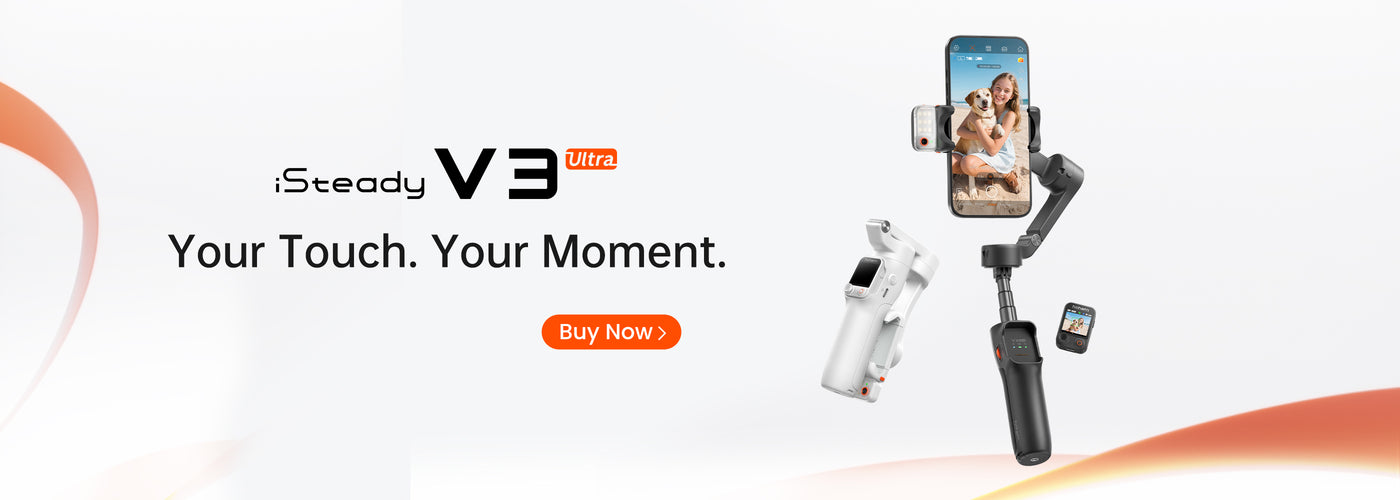
In the realm of photography and videography, stability is key. With the rise of content creation and the accessibility of high-quality point and shoot cameras, the demand for reliable stabilization equipment has surged. Enter gimbals—the unsung heroes that ensure your shots remain steady, whether you’re capturing a stunning landscape, a high-energy event, or a sentimental family moment. This article will guide you through everything you need to know about selecting the best gimbal for your point and shoot camera.

What is a Gimbal?

A gimbal is a pivoted support that allows the rotation of an object about a single axis. In simpler terms, it stabilizes your camera so you can capture smooth, professional-looking videos. It helps eliminate unwanted movements that can occur when you're filming on the go or even when you're moving around slowly. By balancing your camera, it enables fluid motion, making your videos look cinematic and polished.

Why Do You Need a Gimbal for Your Point and Shoot Camera?

Point and shoot cameras are designed for simplicity and convenience; however, they often lack the stabilization features of higher-end models. Here are a few reasons why investing in a gimbal can take your photography and videography skills to the next level:

  • Smooth Footage: A gimbal virtually eliminates shake and jitters, providing you with smooth and stable video footage.
  • Improved Composition: With the stabilization that a gimbal provides, you can take more creative shots without worrying about unintended movements.
  • Ease of Use: Gimbals often come with features like follow modes, which can make capturing dynamic shots easier.
  • Versatility: A great gimbal can be used not only for point and shoot cameras but also for smartphones and DSLRs.

Factors to Consider When Choosing a Gimbal

When selecting the ideal gimbal for your point and shoot camera, several factors come into play. Let’s break down the essential elements to keep in mind:

1. Weight Capacity

First and foremost, you need to check the weight capacity of the gimbal. Make sure that it can comfortably support your point and shoot camera. Most manufacturers will provide clear specifications regarding the weight limit, so this is a crucial factor to consider.

2. Battery Life

Long shooting sessions demand a gimbal with excellent battery life. Many gimbals offer anywhere from 4 to 12 hours of usage on a single charge. Make sure to choose one that suits your typical shooting duration.

3. Stabilization Technology

Gimbals use either a three-axis or a two-axis stabilization system. A three-axis gimbal generally provides better stabilization and versatility, reducing tilt, roll, and pan movements. If you’re looking for professional-quality footage, invest in a three-axis gimbal.

4. Portability

If you plan to carry your gimbal for travel or outdoor shoots, weight and size matter. Look for compact and lightweight models that can easily fit into your camera bag without weighing you down.

5. Controls and Features

Modern gimbals come equipped with a variety of features such as smartphone connectivity, remote control, and programmable modes. Familiarize yourself with the options available and choose one that matches your creative needs.

6. Price and Brand Reliability

While it’s tempting to opt for the cheapest option, investing in a reliable brand will often pay off in the long run. Leading brands often provide better customer service, warranty, and quality assurance. Set a budget but be ready to invest a little more for quality.

Top Gimbals for Point and Shoot Cameras

After considering the key features, let’s look at some top-rated gimbals that are perfect for point and shoot cameras:

1. DJI Osmo Mobile 3

The DJI Osmo Mobile 3 is highly regarded for its excellent stabilization capabilities and user-friendly interface. Designed primarily for smartphones, it adapts well to lightweight point and shoot cameras. With features like gesture control and a compact foldable design, it’s perfect for outdoor adventures.

2. Zhiyun Smooth 4

The Zhiyun Smooth 4 offers a range of features that make it a popular choice for filmmakers. Its extensive control options allow you to fine-tune your shooting experience, while its 12-hour battery life ensures you won’t miss a moment. The Smooth 4 is versatile enough to handle a variety of cameras, including point and shoot models.

3. FeiyuTech G6

Known for its solid build quality and user-friendly interface, the FeiyuTech G6 is another excellent choice. It supports a payload of up to 800 grams and offers a waterproof design, making it ideal for adventurous photographers. The built-in Wi-Fi and Bluetooth connectivity allow you to control your camera remotely, adding more flexibility to your shots.

4. Moza Mini-S

This compact and lightweight gimbal offers impressive stabilization at an affordable price. The Moza Mini-S is foldable and can handle a variety of devices, making it a perfect travel companion. Its quick setup process and impressive battery life make it a favorite amongst point and shoot users.

Tips for Using Your Gimbal Effectively

Once you've selected the perfect gimbal, it's time to learn how to use it effectively. Here are some tips to maximize your experience:

  1. Balance Your Camera: Always ensure your camera is balanced on the gimbal before powering it on to prevent motor strain.
  2. Experiment with Settings: Don't hesitate to try different modes and settings to find what works best for your shooting style.
  3. Practice Movements: Smooth movements yield better results. Practice panning and tilting gently to master gimbal control.
  4. Engage with the Environment: Utilize natural elements in your surroundings to create dynamic shots. A gimbal allows for creative angles and perspectives.
  5. Regular Maintenance: Keep your gimbal clean and check for firmware updates to ensure optimal performance.

With the right gimbal and knowledge in hand, you are well on your way to capturing stunning visuals with your point and shoot camera. The world of photography is at your fingertips, and investing in equipment that enhances your creative capabilities is essential to your growth as a content creator. Stability in your footage equates to quality in your work, allowing your artistry to shine through beautifully. Embrace the technology available to you and watch your photography take flight.