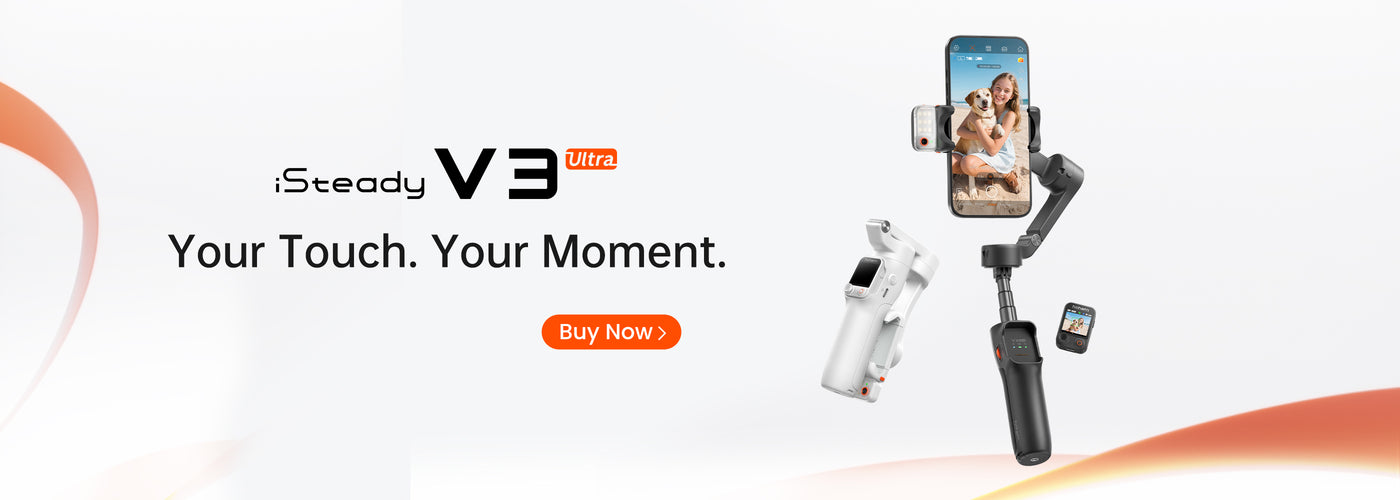
In the world of videography and filmmaking, steady shots are essential for producing high-quality content. Nothing ruins a beautiful scene like shaky footage. Whether you're a professional filmmaker, a hobbyist, or someone who loves to document special occasions, a handheld camera stabilizer can drastically improve the quality of your videos. This article will guide you through everything you need to know about handheld camera stabilizers in 2025.

What is a Handheld Camera Stabilizer?

A handheld camera stabilizer is a device designed to allow smooth filming while minimizing unwanted movements and vibrations. This equipment is indispensable for photographers and videographers who want to achieve cinematic shots while moving. They stabilize the camera in a manner that reduces shaky footage, ensuring that the final product appears professional and polished.

Types of Handheld Stabilizers

Understanding the different types of handheld stabilizers is crucial for selecting the ideal one for your needs. Here are the most common types:

1. Gimbals

Gimbals use motors and sensors to stabilize your camera, allowing for smooth and fluid motion. Modern gimbals are often equipped with features such as follow modes and programmable settings, providing greater control over your footage. They're perfect for DSLR and mirrorless cameras and suitable for both amateur and professional videographers.

2. Steadicams

Steadicams use a counterbalancing system, which makes use of weights and springs to stabilize the camera. This system requires a bit more skill and practice compared to gimbals, but it can be incredibly effective in the hands of a skilled user. Steadicams are often favored in professional film and television production.

3. Handheld Rigs

Handheld rigs provide a stable platform that allows for handheld shooting with less jitter. These rigs often come with additional handles, allowing for better grip and control. They may not be as compact or portable as gimbals, but they're a solid option for heavier cameras.

Key Features to Look For

When selecting a handheld camera stabilizer, here are some critical features to consider:

1. Weight and Portability

Weight plays a significant role in the comfort and ease of use of a stabilizer. Lightweight models make it easier to carry and operate for extended periods, especially during long shoots. Consider how portable the stabilizer is, especially if you plan to travel frequently with your equipment.

2. Compatibility

Not all stabilizers are compatible with every camera. Before making a purchase, confirm that the stabilizer you choose is suitable for your specific camera model, whether it's a GoPro, DSLR, or mirrorless camera.

3. Battery Life

If you opt for a motorized gimbal, battery life is crucial. Look for stabilizers that offer extended run times, so you aren’t constantly needing to recharge during shoots. Some models even come with replaceable batteries to extend shooting time.

4. Ease of Use

For beginners, it’s essential to consider how user-friendly a stabilizer is. Many modern gimbals feature smartphone apps to assist with setup and usage. Look for stabilizers that provide clear instructions and easy controls.

Top Handheld Camera Stabilizers of 2025

Now that you know what to look for, here are some of the best handheld camera stabilizers on the market in 2025:

1. DJI Ronin-S

The DJI Ronin-S is a favorite among many filmmakers due to its exceptional performance and versatility. It can carry a maximum payload of up to 3.6 kg, making it suitable for most DSLR and mirrorless cameras. It features an ergonomic design, allowing for easy one-handed operation, and offers various shooting modes for dynamic filming.

2. Zhiyun Crane 2

The Zhiyun Crane 2 is another excellent option, well-known for its user-friendly interface and impressive battery life. It boasts a 3.2 kg payload capacity, making it ideal for larger camera setups. With its OLED display and intuitive control, it's a great choice for both beginners and seasoned filmmakers.

3. Glidecam HD-Pro

The Glidecam HD-Pro is a traditional steadicam system that's perfect for professional use. This stabilizer is great for those who want to achieve ultra-smooth shots while walking or running. Its intuitive balancing system allows for easy adjustments, making it suitable for various shooting conditions.

Tips for Using a Handheld Camera Stabilizer

Using a camera stabilizer effectively requires some practice. Here are a few tips to enhance your shooting experience:

1. Balance Your Camera

Before shooting, ensure that your camera is appropriately balanced on the stabilizer. A well-balanced camera makes it easier to maneuver and helps reduce strain on the motors, prolonging the device's lifespan.

2. Use Proper Techniques

When operating a stabilizer, use your legs and core to create smooth motions rather than relying solely on your arms. Maintain a gentle grip on the stabilizer, allowing it to do its job of keeping the camera level.

3. Practice, Practice, Practice

Before heading into a critical shoot, practice using your stabilizer in a variety of situations. Experimenting with different movements will help you find the best techniques for achieving smooth and dynamic shots.

Common Mistakes to Avoid

Many people make common mistakes when using handheld stabilizers. Here are a few pitfalls to steer clear of:

1. Overcompensating Movements

A common mistake is overly compensating for movements, which can result in unnatural motion. Instead, allow the stabilizer to do its job while you focus on capturing the perfect shot.

2. Inadequate Balancing

Failing to balance your camera properly can lead to shaky footage. Always ensure that your camera is correctly balanced before filming.

3. Not Paying Attention to Composition

While stabilizers help with motion, it’s essential to maintain good composition in your shots. Always keep the rule of thirds and other framing techniques in mind as you move.

The Future of Handheld Stabilizers

As technology continues to advance, we can expect handheld stabilizers to evolve as well. We are likely to see improvements in battery life, compatibility with various camera systems, and even lighter materials that make stabilization more accessible. Additionally, artificial intelligence may also play a role, enhancing auto-tracking and stabilizing capabilities even further.

Choosing the right handheld camera stabilizer can make all the difference in the quality of your videos. With numerous options available, knowing what matches your needs and style is crucial. By considering the features, types, and proper techniques, you’ll be well on your way to achieving professional results in your videography endeavors.