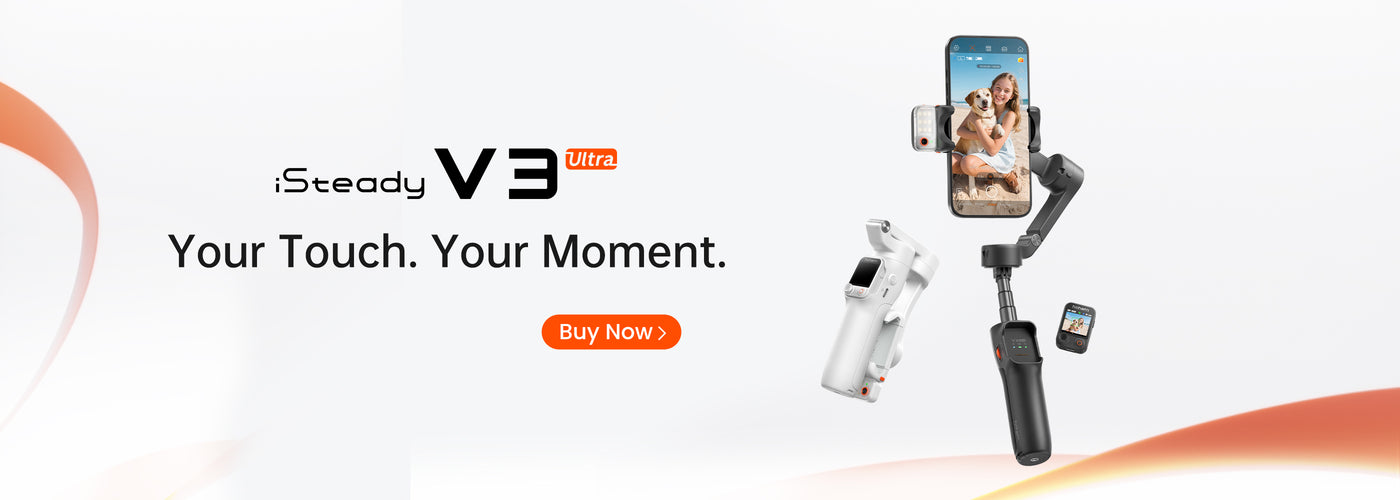
In the era of smartphone photography and videography, having the right equipment can make a significant difference in the quality of your content. One of the essential tools for mobile filmmakers and enthusiasts alike is a gimbal. But with so many options available, how do you choose the best iPhone gimbal for your needs? In this guide, we'll explore everything you need to know about iPhone gimbals, from understanding their features to selecting the right one for your shooting style.

Understanding Gimbals: What Are They?

A gimbal is a pivoted support that allows the rotation of an object about a single axis. When it comes to smartphone usage, gimbals help stabilize your device while capturing video or images, resulting in smooth, professional-looking footage. Unlike traditional tripods, gimbals are designed to move with you, effortlessly counteracting any movements to keep your shots steady. This is especially crucial for dynamic shooting scenarios where action and movement are involved.

Why Should You Use a Gimbal with Your iPhone?

iPhones are equipped with great cameras, but even the slightest hand movement can lead to shaky footage. This is where gimbals shine, providing multiple benefits:

  • Stability: A gimbal ensures that your iPhone remains steady even during movement.
  • Versatility: With adjustable axes, you can capture a range of shots, from panning to tilting.
  • Enhanced Creativity: Many gimbals come with features like tracking mode, allowing for creative shots that were once difficult to achieve.
  • Longer Shooting Time: Gimbals can reduce the fatigue caused by holding your iPhone for prolonged periods, making it easier to shoot for longer.

Key Features to Consider When Buying an iPhone Gimbal

When looking for an iPhone gimbal, several key features can enhance your filming experience:

1. Stabilization Technology

The primary purpose of a gimbal is stabilization, so it's crucial to pay attention to the technology used. Most modern gimbals use a three-axis system, which offers excellent stabilization. Gyroscopes and accelerometers are typically incorporated to ensure smooth operation even during fast-paced movements.

2. Battery Life

Filming can be a time-consuming activity, making battery life a critical factor. Opt for gimbals that offer extended runtimes so you can shoot for longer periods without needing to recharge.

3. Payload Capacity

Ensure that the gimbal you choose can support the weight of your iPhone, especially if you have a larger model. Check the gimbal's payload capacity and ensure it can accommodate your device.

4. App Integration

Some gimbals come with companion apps that enhance functionality. Look for models that offer features like programmable settings, tracking, and even editing tools.

5. Size and Weight

Depending on your shooting style, the size and weight of the gimbal can matter greatly. A lightweight and compact gimbal is easier to carry, especially during outdoor shoots.

Top iPhone Gimbals of 2025

With so many options out there, it can be overwhelming to choose the right gimbal for your iPhone. We've compiled a list of some of the best options available in 2025:

  • DJI OM 4: Known for its innovative magnetic design, the OM 4 provides excellent stabilization and has a user-friendly interface, making it perfect for beginners.
  • Zhiyun Smooth 4: With its impressive battery life and zoom/pan capabilities, the Smooth 4 is a great choice for professional content creators.
  • FeiyuTech VLOG Pocket 2: Compact and foldable, the VLOG Pocket 2 perfectly balances portability and stability, ideal for travel videographers.
  • Hohem iSteady X2: Known for affordability without sacrificing quality, the iSteady X2 is perfect for amateur filmmakers looking to elevate their videos.

Using Your Gimbal: Tips for Better Filmmaking

Now that you’ve chosen your gimbal, it’s time to learn how to use it effectively. Here are some tips to help you get the most out of your gimbal:

1. Calibrate Your Gimbal

Before shooting, make sure to calibrate your gimbal. This process ensures that your device is balanced correctly, minimizing any chance of jerky movements.

2. Use Soft Movements

When filming, remember that subtlety is key. Rather than quick jerks, opt for smooth, gentle movements that allow your footage to flow naturally.

3. Experiment with Different Angles

Don’t be afraid to get creative! Try different angles and shot types, such as low angles, high shots, or even dynamic panning shots. This will add flair to your videography.

4. Practice Makes Perfect

Lastly, the more you practice with your gimbal, the better your footage will become. Spend time learning the ins-and-outs of your equipment, experimenting with settings, and developing your style.

Maintaining Your Gimbal

To make your gimbal last, maintenance is crucial. Here’s how to keep it in top shape:

  • Regular Cleaning: Dust and debris can hinder performance. Wipe down the gimbal regularly to keep it clean.
  • Store Properly: When not in use, store your gimbal in a protective case to prevent damage.
  • Check Firmware Updates: Keep the firmware up-to-date to benefit from new features and improvements.

The Future of Smartphone Gimbals

As technology progresses, the gimbal market continues to evolve. Future gimbals may see advancements in AI for real-time tracking, increased portability, and even integration with augmented reality features, making them more useful for a wide array of creative projects.

In concluding this exploration of iPhone gimbals, remember that the right tools paired with creativity can lead to breathtaking content that resonates with your audience. Whether you're capturing travel adventures, daily vlogs, or cinematic footage, investing in a quality gimbal can be a game-changer in your mobile filmmaking journey.