When it comes to capturing stunning video footage, a shaky camera can ruin even the most beautiful scenes. Whether you're a seasoned filmmaker, a budding YouTuber, or someone who simply loves capturing memories, investing in a good motion stabilizer is key. This guide will help you understand motion stabilizers, what to look for, and how to use them effectively.

Understanding Motion Stabilization

Motion stabilization refers to techniques and tools used to reduce or eliminate unwanted camera movement during filming. Shaky footage can result from hand-held shooting, vibrations from moving vehicles, or even walking. Motion stabilizers can significantly enhance the quality of your video by providing smooth, professional-looking shots.

Types of Motion Stabilizers

There are several different types of motion stabilizers available on the market, each with its unique characteristics. Understanding these types is crucial in determining which stabilizer best suits your needs.

1. Gimbals

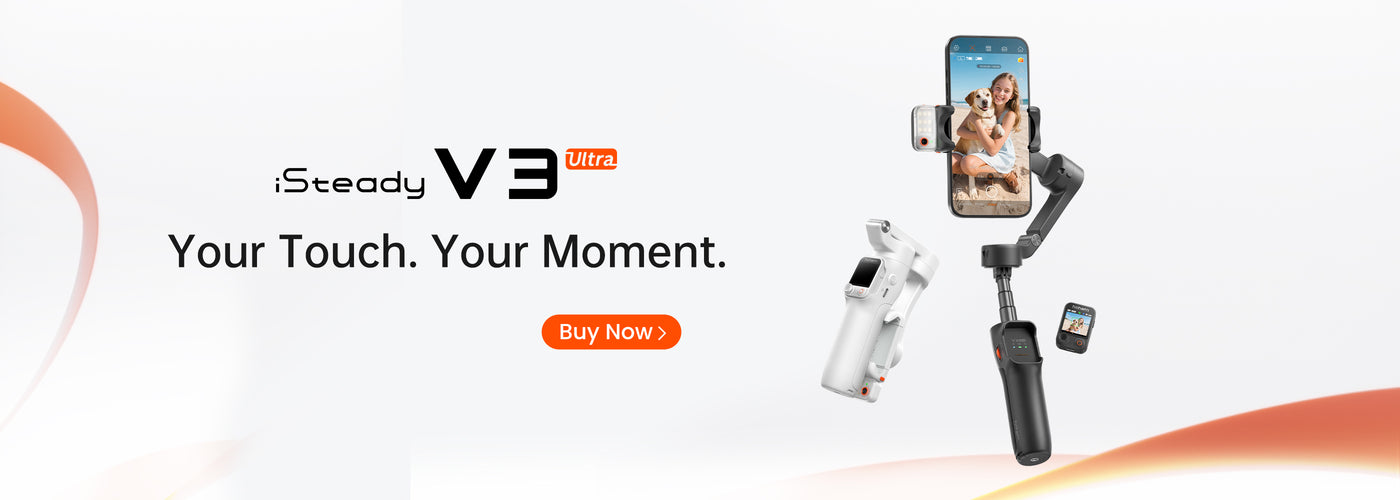
Gimbals are electronic stabilization devices that use motors to counteract the motion of the camera. They typically have three axes, allowing for pitch, roll, and yaw stabilization. Gimbals are popular among vloggers and cinematographers due to their ability to create incredibly smooth footage while on the move.

2. Steadicams

Steadicams are mechanical stabilization systems that use a combination of counterweights and springs to keep the camera steady. Unlike gimbals, they require no batteries, making them a reliable choice for outdoor shoots where power sources may be limited. However, they require more practice to master and can be bulkier than gimbals.

3. Shoulder Supports

Shoulder supports provide extra stability by allowing the operator to place the camera on their shoulder. While they won't eliminate all shakiness, they distribute the weight of the camera more evenly and can make for smoother shots. This is a great option when shooting with heavier cameras or during long projects.

4. Handheld Stabilizers

Handheld stabilizers are often simpler and more affordable than robust gimbal systems. They typically consist of a grip and a stabilization arm that absorbs motion from the operator's hand. Handheld devices are great for beginners wanting to improve their camera technique without a hefty investment.

Factors to Consider When Choosing a Motion Stabilizer

Choosing the right stabilizer depends on several factors, including your intended use, budget, and the specific camera gear you plan to use. Here are key factors to guide your decision:

1. Weight Capacity

Before purchasing a stabilizer, check its weight limit to ensure it can support your camera setup, including any additional accessories like lenses, microphones, or lights. Using a stabilizer that can't handle your camera’s weight can lead to performance issues and potential damage.

2. Portability

If you plan to shoot on location, portability is crucial. Look for stabilizers that are lightweight and easy to transport. Some gimbals come with carry cases for added convenience.

3. Battery Life

For electronic stabilizers such as gimbals, battery life is an important consideration. A longer battery life ensures that you can shoot longer without needing frequent recharges. Be aware of any additional chargers you may need to carry along.

4. Ease of Use

Your stabilizer should be user-friendly, allowing you to set it up easily and start shooting quickly. Some models come with intuitive controls and balancing mechanisms, making them accessible to beginners.

How to Use a Motion Stabilizer Effectively

Once you've chosen the right motion stabilizer for your camera, knowing how to use it effectively is essential. Here are some key tips:

1. Balance Your Setup

Before you start filming, make sure your camera is balanced on the stabilizer. This ensures that the motors (if applicable) can properly counteract any movement. Follow the instructions provided with your stabilizer for the best results.

2. Steady Your Movements

While the stabilizer will help smooth out your shots, your movements still play a vital role in the overall quality. Practice walking slowly and smoothly; avoid sudden jerks or twists. Use large, sweeping motions for optimal results.

3. Use Appropriate Settings

Depending on your stabilizer, you may have different modes or settings to optimize performance in various shooting conditions. Familiarize yourself with these settings and adjust them based on your filming location and equipment.

4. Practice Regularly

Like any piece of gear, the more you practice using your stabilizer, the more second nature it will become. Take the time to learn its capabilities and limitations to improve your shooting technique.

Popular Motion Stabilizers to Consider in 2025

As technology advances, more and more stabilizers become available, but some consistently stand out for their features and reliability. Here are some top picks:

1. DJI Ronin-S

The DJI Ronin-S is popular among filmmakers for its exceptional stability and advanced features, like object tracking. Its ergonomic design makes it comfortable to use for extended periods, and it has a high weight capacity, accommodating a range of cameras.

2. Zhiyun Crane 3 LAB

With smart tracking and impressive battery life, the Zhiyun Crane 3 LAB is a favorite among professionals. It supports a wide range of cameras and lenses, and its foldable design enhances portability.

3. Glidecam HD-Pro

The Glidecam HD-Pro is an example of a traditional handheld stabilizer that offers robust, weighty construction and reliable performance. It's an excellent option for those who prefer mechanical systems without motorization.

4. Moza Air 2

Known for its affordability and performance, the Moza Air 2 is a fantastic choice for beginners. It has a long battery life and various shooting modes, allowing users to experiment with creative shots without a steep learning curve.

Maintaining Your Motion Stabilizer

Proper maintenance is vital for ensuring the longevity and effectiveness of your motion stabilizer.

1. Keep It Clean

Regularly clean your stabilizer, especially the motors and joints, to prevent dust and debris from impairing performance. Use a microfiber cloth and gentle cleaning solutions to avoid damage.

2. Store Properly

When not in use, store your stabilizer in a padded case or bag to protect it from damage. Avoid exposing it to extreme temperatures or moisture, which could ruin electronic components.

3. Check Firmware Updates

For electronic gimbals, periodically check for firmware updates. Manufacturers often release updates that improve functionality and performance, enhancing your shooting experience.

The Future of Motion Stabilization Technology

As camera technology continues to evolve, so will the methods of stabilization. Future trends might include lighter, more compact devices that use AI to enhance stabilization further. Advances could also see hybrid systems that combine both mechanical and electronic stabilization, offering filmmakers unparalleled creative possibilities.

In conclusion, selecting the right motion stabilizer for your camera will greatly enhance the quality of your video footage. Understanding the different types, key features, and best-practices for using your stabilizer can help elevate your filmmaking skills to new heights. Whether you are capturing breathtaking landscapes, dynamic action sequences, or heartfelt moments, investing time and resources into perfecting your stabilization technique is well worth it.