Whether you're a seasoned filmmaker or just starting on your photography journey, having stable footage is crucial. Camera shakes can easily detract from the quality of your work, which is where camera gimbals come into play. In this comprehensive guide, we'll explore everything you need to know about choosing the perfect camera gimbal for your shooting style and requirements.

What is a Camera Gimbal?

A camera gimbal is a device that utilizes motors and sensors to stabilize a camera while in motion. By countering unwanted camera movement, a gimbal allows you to capture smooth, cinematic footage even while walking, running, or moving rapidly. Whether you're shooting video for a wedding, creating content for social media, or crafting a documentary, a gimbal is an essential tool to ensure professional-looking results.

Types of Camera Gimbals

Camera gimbals come in various types, each designed to cater to different shooting styles and equipment. Understanding the differences can help you choose the best option for your filmmaking needs.

1. Handheld Gimbals

Handheld gimbals are incredibly popular due to their versatility and ease of use. These lightweight and portable stabilizers are typically used for smartphones and lightweight DSLR cameras. Most handheld gimbals offer features like follow mode and lock mode, giving users multiple shooting options.

2. Smartphone Gimbals

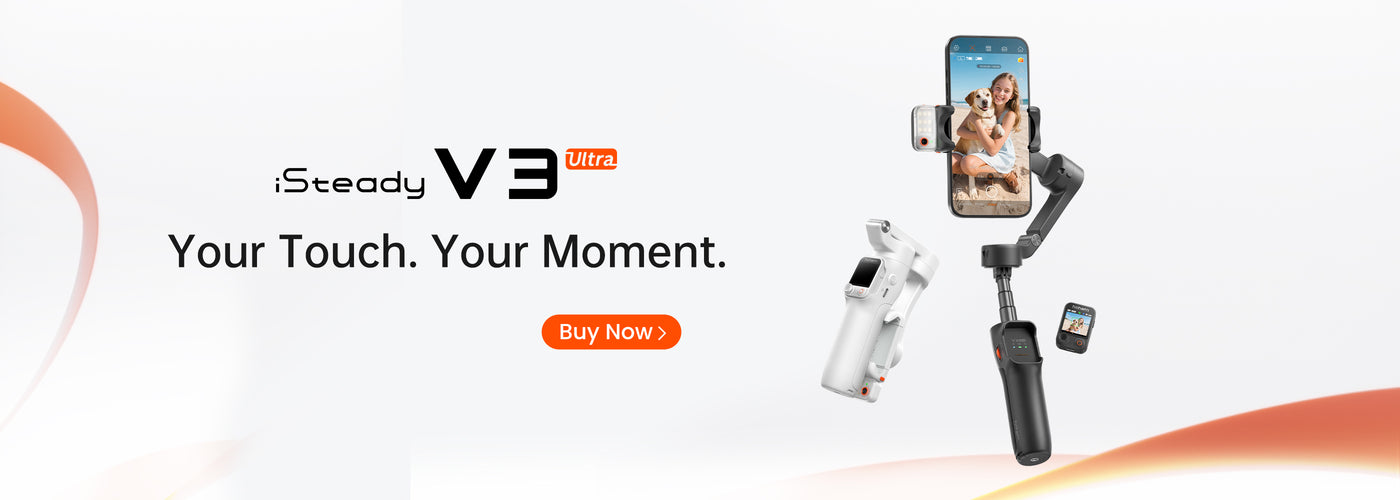
As smartphone cameras continue to improve, smartphone gimbals have become essential for mobile filmmakers. These gimbals are generally compact and allow you to create stunning videos directly from your smartphone. With features like time-lapse and slow motion, they can significantly enhance your video production.

3. Mountable Gimbals

For filmmakers who require more stability during shoots, mountable gimbals provide a robust solution. These can be attached to tripods, drones, or vehicles, ensuring smooth footage even in challenging conditions. Mountable gimbals are typically used in professional settings, such as film production and live events.

Key Features to Consider When Choosing a Gimbal

Now that we've explored the different types of gimbals, let's delve into the essential features you should consider when making your selection.

1. Payload Capacity

Your gimbal's payload capacity is critical. This refers to how much weight the gimbal can support. If you plan to use a heavier camera or additional accessories (like a microphone or external light), ensure your chosen gimbal can handle the weight to achieve optimal stabilization.

2. Battery Life

Battery life is another crucial consideration. Many gimbals offer 8-12 hours of use on a single charge, particularly those designed for longer shoot days. Opt for a gimbal with a removable battery, so you're not left in the lurch during a critical filming moment.

3. User Interface

How easy is the gimbal to operate? A user-friendly interface is essential, especially for beginners. Look for gimbals with intuitive controls, clear LCD screens, and smartphone connectivity for easier adjustments and mode selection.

4. Portability

If you often shoot on location, portability will be a significant factor. Lightweight and foldable gimbals are available, making them easy to carry in a backpack or camera bag while maintaining stability.

Setting up Your Gimbal

Once you've selected the right gimbal, it's time to set it up for your shoot. The following steps will guide you in using your gimbal effectively:

1. Balancing Your Gimbal

The first step in setting up your gimbal is balancing it with your camera attached. Begin by mounting your camera on the gimbal and adjusting it until it can stay level in any position without being held. This process will extend your battery life and allow for smoother movement.

2. Choosing a Shooting Mode

Most gimbals have multiple shooting modes, including follow mode, lock mode, and pan mode. Experiment with these to find which suits your filming style. For instance, follow mode will allow vertical and horizontal movement, while lock mode keeps the camera steady in one direction.

Maintaining Your Gimbal

To keep your gimbal functioning properly, regular maintenance is essential. Below are some tips for gimbal upkeep:

1. Clean the Motors and Connectors

Dust and dirt can impair the smooth operation of the motors. Use a microfiber cloth to clean your gimbal, focusing on the motors and connectors to ensure optimal performance.

2. Store Properly

When not in use, store your gimbal in a padded case to protect it from bumps and drops. Ensure it is kept in a cool, dry place to prevent damage from moisture.

Best Camera Gimbals on the Market

With so many options available, it can be challenging to know which gimbal to choose. Here are some of the best-rated gimbals in various categories:

1. DJI Ronin-S

The DJI Ronin-S is perfect for DSLRs and mirrorless cameras, offering excellent stabilization and a payload capacity of 3.6 kg. Its ergonomic design makes it easy to use for extended shoots.

2. Zhiyun Crane 2

The Zhiyun Crane 2 offers an intuitive control system with an impressive battery life of up to 18 hours. Its ability to handle heavier cameras makes it a popular choice for professionals.

3. Smooth 4

The Zhiyun Smooth 4 is ideal for smartphone users. It includes multiple functionalities such as time-lapse, object tracking, and a focus pull feature, making it a versatile option for mobile filmmakers.

Common Mistakes to Avoid with Camera Gimbals

Even experienced filmmakers can make mistakes when using gimbals. Here are common pitfalls to avoid:

1. Not Balancing Before Use

Skipping the balancing step can lead to poor stabilization and draining battery life faster than necessary. Always ensure your camera is balanced before shooting.

2. Ignoring Calibration

Failing to calibrate your gimbal may result in erratic behavior during operation. Take the time to calibrate based on your specific setup.

3. Overloading the Gimbal

Using a camera that exceeds the gimbal’s payload capacity can compromise stabilization and lead to engine burnout. Always check your equipment’s weight against the gimbal’s specifications.

The Future of Camera Gimbals

As technology advances, so will the features we see in new gimbals. Expect improvements in battery life, stabilization algorithms, and even AI-driven functionalities that automatically adjust settings based on your shooting environment. This will continue to empower filmmakers and content creators to capture even more breathtaking footage with ease.

In summary, investing in a quality camera gimbal is a step towards enhancing your filmmaking capabilities. With various options available to suit different setups and shooting styles, understanding the key features and best practices will position you for success. By striking a balance between technology and artistry, you’ll find that a camera gimbal is an invaluable ally in your creative journey.