In the world of filmmaking, fluid motion is paramount. Whether you’re shooting a documentary, a wedding, or an indie feature, shaky footage can distract from the story you’re trying to tell. This is where film camera stabilizers come into play. With advancements in technology, stabilizers have become essential tools for producers and videographers. But with so many options available, how do you choose the right one? This guide will walk you through the types of stabilizers, their features, and what to consider when purchasing one for your film-making needs.

Understanding Film Camera Stabilizers

A camera stabilizer is a device designed to minimize unwanted camera movement. It allows for smooth, steady shots even during dynamic filming scenarios. The main types of stabilizers on the market today include gimbals, steadycams, and tripod stabilizers.

1. Gimbals

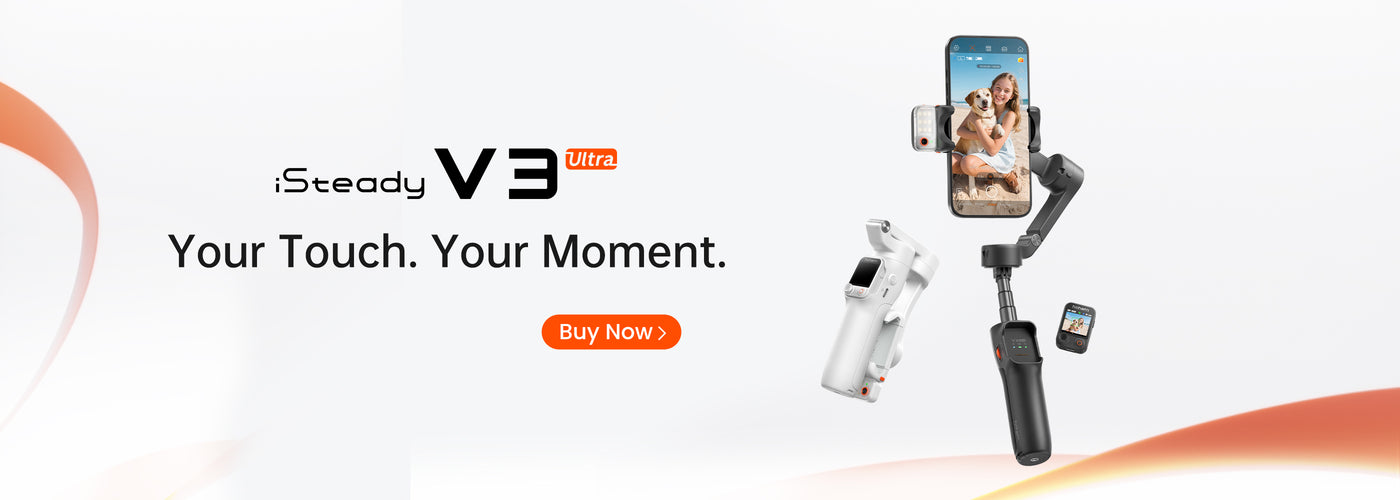
Gimbals use motors and sensors to stabilize the camera based on motion tracking technology. They’re often favored for their versatility and the ability to support a wide range of cameras. Gimbals can be handheld or mounted on various rigs and are suitable for both DSLR and smartphone use.

2. Steadycams

Steadycams are mechanical stabilizers that use a counterweight system to balance the camera. They require a bit more skill to set up and operate effectively but provide a unique, smooth motion that many filmmakers love. Steadycams have been mainstays in the industry for years, particularly for professional setups.

3. Tripod Stabilizers

Tripod stabilizers are designed for stationary shots, providing stability when capturing wide-angle or detailed shots. They often feature fluid heads for smooth panning and tilting, making them perfect for interviews or controlled environments.

Key Features to Consider

When selecting a stabilizer, several critical features can impact your overall filmmaking experience:

1. Weight Capacity

Before purchasing a stabilizer, consider the weight of your camera and any additional equipment you might be using, such as lenses or external microphones. Ensure the stabilizer's weight capacity exceeds the combined weight for optimal performance.

2. Battery Life

Incorporating a gimbal can be battery-intensive, especially during long shoots. Check the specs for battery life and consider whether it’s possible to replace the battery mid-shoot or if it comes with an external power option.

3. Portability

Filmmaking often demands quick movement and flexibility. A stabilizer that can easily fold or come with a carrying case can be a significant advantage during productions that require mobility.

4. Control Options

Many stabilizers come with controllable features like joystick movement, smartphone applications, or manual controls for fine-tuning shots. Assess what control features you find essential for your shooting style.

Different Use Cases and Recommendations

Understanding the type of projects you’ll be working on can help dictate the best stabilizer for your needs.

1. For Wedding Videography

For wedding videographers looking to capture romantic moments seamlessly, a lightweight handheld gimbal often works best. Look for options with auto-tuning features to save time during setup, allowing you to focus on capturing those special moments.

2. For Documentaries

Documentary filmmakers may benefit from a more robust stabilizer system that offers versatility and dynamic movement. Consider using a steadycam for its fluid motion, particularly in fast-paced shooting conditions.

3. For Action Sports

In the world of action sports, a highly adjustable gimbal can provide stabilization amidst unpredictability. A gimbal that’s both water-resistant and robust enough to withstand impact is crucial for these scenarios.

Brands to Consider

As you delve into the world of stabilizers, certain brands stand out based on quality and reputation:

1. DJI

Known for its innovative technology, DJI offers gimbals ranging from lightweight models for smartphones to heavy-duty options for larger cameras. Their Osmo series has gained popularity among amateur and professional filmmakers alike.

2. Glidecam

Glidecam specializes in steadycam products and is well-respected in the industry. Their balanced systems provide impressive stabilization for larger setups, catering to professional filmmakers.

3. Zhiyun

Zhiyun’s gimbals are well-regarded for their price-to-performance ratio. They offer a range of models that cater to different cameras, making them popular among independent creators and hobbyists.

Tips for Mastering Camera Stabilizers

Choosing the right stabilizer is just half the battle. To truly harness its potential, some practice is required:

1. Practice Makes Perfect

Before heading out for a shoot, take the time to practice with your stabilizer. Understanding its balance point and weight distribution will lead to smoother shots in the field.

2. Mind Your Movements

Fluidity is key when using a stabilizer. Avoid jerky movements and work on making slow, deliberate transitions. This will enhance the overall quality of your footage.

3. Use Your Legs

Your legs are your best tool when it comes to getting smooth tracking shots. Move with your legs rather than your upper body for a more natural and controlled approach.

Final Thoughts

Finding the perfect film camera stabilizer can elevate your filmmaking craft, helping you create visually compelling stories. Be sure to assess your specific needs, evaluate key features, and practice regularly to get the most out of your equipment. With the right stabilizer in hand, you’ll be well on your way to producing stunning, professional-quality footage.