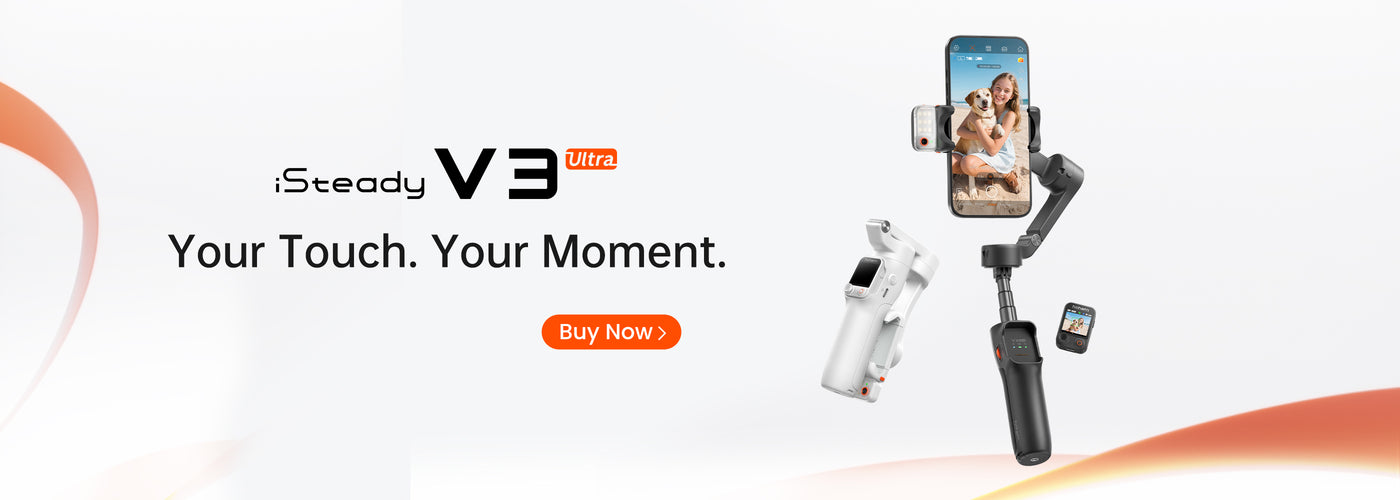
In the world of cinematography, achieving smooth, professional-looking footage is paramount. When it comes to stabilizing your shots, nothing beats the effectiveness of a crane gimbal. Whether you’re a seasoned pro or just starting out, understanding how to select the right crane gimbal can transform your filmmaking experience. This comprehensive guide delves deep into what crane gimbals are, their benefits, considerations when choosing one, and a few recommended models that suit a variety of needs.

What is a Crane Gimbal?

A crane gimbal is a sophisticated piece of equipment designed to stabilize cameras during motion. It uses a system of motors and sensors to eliminate unwanted movements, ensuring that your footage remains smooth and professional, even during dynamic shots. This technology is invaluable for filmmakers who want to capture fluid motion, whether they are filming a fast-paced action scene or a serene landscape.

The Importance of Stabilization in Filmmaking

Stabilization is crucial in filmmaking for several reasons:

  • Professional Results: Proper stabilization enhances the visual quality of your content, making it look polished and cinematic.
  • Viewer Engagement: Smooth footage keeps viewers engaged and allows them to focus on the content instead of being distracted by shaky movements.
  • Shooting Flexibility: With a gimbal, filmmakers can move freely and create innovative shots that would otherwise be difficult or impossible.

Types of Crane Gimbals

Not all crane gimbals are created equal. They come in various shapes and sizes, each tailored for specific types of shooting environments and styles. Here are the common types:

  • Handheld Gimbals: These are lightweight and portable, designed for on-the-go filmmakers. They allow for quick adjustments and are perfect for run-and-gun shooting.
  • Drone Gimbals: Specifically manufactured for drones, these gimbals provide stabilization during aerial shots and are essential for high-altitude filming.
  • Studio Gimbals: These are more robust and typically used in controlled environments, offering the best stabilization due to their size and weight.

Key Features to Consider When Choosing a Crane Gimbal

When selecting a crane gimbal, it’s crucial to evaluate several factors that will impact its performance and suitability for your specific needs:

1. Payload Capacity

The first thing to look for is the gimbal’s payload capacity. This figure indicates how much weight it can support. If you use a heavy camera setup, make sure to choose a gimbal that can handle it without strain.

2. Battery Life

Filming can take hours, and the last thing you want is a gimbal dying mid-shoot. Look for models with extended battery life or the option for hot-swapping batteries.

3. Build Quality

Durability is key since filming often takes you to rugged environments. Aluminum and carbon fiber are great materials because they offer strength without excessive weight.

4. Motor Power and Responsiveness

When the action is fast and dynamic, your gimbal should respond instantaneously to your movements. Look for powerful motors that provide smooth stabilization across various speeds.

5. Controls and User Interface

An intuitive control system can significantly enhance your shooting experience. Ensure that you can easily adjust settings and switch modes without disrupting your workflow.

6. Compatibility

Make sure the gimbal is compatible with your camera and lens setup. Check if the gimbal can accommodate additional accessories like microphones and lights as you might want to add to your rig later.

Popular Crane Gimbals on the Market

Now that you understand the essential features of crane gimbals, let’s look at a few popular models that have garnered positive feedback from professionals:

1. DJI Ronin-S

The DJI Ronin-S is a handheld gimbal designed for DSLR and mirrorless cameras. It boasts a payload capacity of up to 3.6 kg, making it suitable for various camera setups. The Ronin-S also features an impressive battery life of up to 12 hours, and its smooth tracking abilities are revered in the industry.

2. Zhiyun Crane 2S

Known for its versatility, the Zhiyun Crane 2S can support payloads up to 3.2 kg. It comes with intelligent follow focus and an easy-to-use OLED display. Its advanced stabilization technology is a favorite among videographers for delivering incredible footage.

3. Moza Air 2

The Moza Air 2 is another great option with a payload capacity of 4.2 kg, making it an excellent choice for those using heavier camera setups. With comprehensive control features and compatibility with various camera types, it’s perfect for filmmakers looking for flexibility.

Maintenance Tips for Your Crane Gimbal

Once you’ve invested in a crane gimbal, it’s essential to maintain it properly to ensure longevity and optimal performance. Here are maintenance tips:

  • Regular Cleaning: Dust and dirt can cause the motors to malfunction. Clean your gimbal regularly using a soft cloth.
  • Check for Firmware Updates: Manufacturers often release firmware updates that can improve performance. Always ensure your gimbal is running the latest version.
  • Store Properly: When not in use, store your gimbal in a protective case to prevent accidental damage.

Final Thoughts

A crane gimbal is an indispensable tool for modern filmmakers. By understanding the different types, features, and maintenance tips, you’ll be well on your way to selecting the perfect crane gimbal for your filmmaking adventures. Whether you’re shooting weddings, documentaries, or action films, the right gimbal can elevate your production quality to new heights.