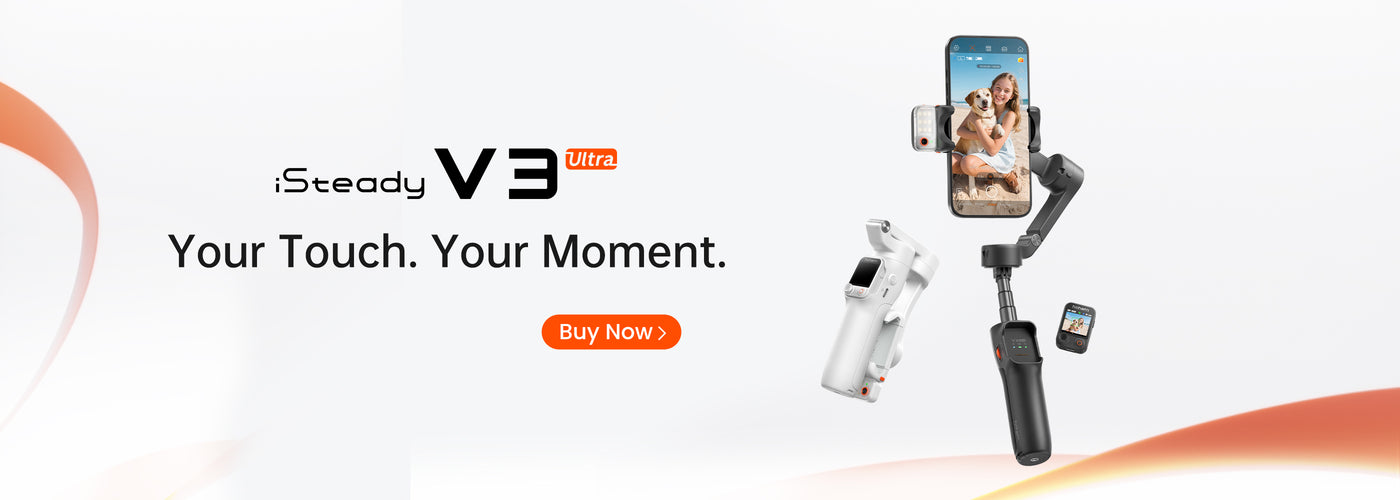
In the fast-evolving world of aerial photography and videography, a UAS (Unmanned Aerial System) camera stabilizer is an essential tool for professionals and enthusiasts alike. Capturing stunning footage from the sky without shaky frames can make the difference between an average video and an extraordinary one. In this comprehensive guide, we will explore the significance of camera stabilizers, the types available, factors to consider when choosing one, and tips for effective use.

Understanding UAS Camera Stabilizers

UAS camera stabilizers are devices designed to eliminate unwanted camera movements during flight. Whether you're flying a drone for cinematic purposes, surveying land, or capturing real estate footage, stability is crucial for clear and quality images. Stabilizers can either be mechanical or electronic, with each type offering unique benefits.

Types of Camera Stabilizers

Camera stabilizers can be broadly categorized into two types:

  • Mechanical Stabilizers: These rely on balance and physical momentum to keep the camera steady. They are typically less expensive and don’t require batteries.
  • Electronic Stabilizers: Commonly known as gimbals, these use motors and sensors to counteract movements. They can be more expensive but offer superior stabilization and are highly customizable.

Key Factors to Consider When Selecting a UAS Camera Stabilizer

When choosing the right camera stabilizer, several factors should be taken into account:

1. Payload Capacity

One of the most critical factors is the payload capacity of the stabilizer. This refers to the maximum weight it can support. Ensure that the stabilizer you choose can accommodate the weight of your camera and any additional accessories such as lenses and microphones.

2. Axis Configuration

Stabilizers can have either two-axis or three-axis configurations. A two-axis stabilizer provides horizontal and vertical stabilization, while three-axis stabilizers add tilt stabilization. For dynamic shoots where camera tilt is prevalent, a three-axis gimbal may be necessary.

3. Battery Life

The battery life of your stabilizer is crucial for extended shooting sessions. Look for stabilizers with longer battery performance, and consider those that offer fast charging options.

4. Compatibility

Not all stabilizers are compatible with all camera models. Ensure to check the list of supported cameras before purchasing a stabilizer. Some stabilizers come with adjustable mounts that can accommodate a variety of camera sizes.

5. Ease of Use

An intuitive design can significantly enhance your shooting experience. Look for user-friendly interfaces, adjustable settings, and ease of set-up. Many modern stabilizers also come equipped with smartphone apps, allowing for further customization and control.

Tips for Effective Use of Camera Stabilizers

Once you've chosen the right stabilizer, here are some tips on how to make the most of it:

1. Proper Calibration

Before every shoot, ensure your stabilizer is properly calibrated. Most stabilizers come with easy calibration settings to ensure optimal performance. A well-calibrated stabilizer helps maintain balance and delivers smoother footage.

2. Practice Makes Perfect

Using a stabilizer effectively takes practice. Spend time familiarizing yourself with its controls and functionalities. Practice different shooting styles, such as follow mode, lock mode, and pan mode, to determine what works best for your specific needs.

3. Use Accessories Wisely

Consider using additional accessories like remote controls or follow focus systems. These can enhance your shooting flexibility and creativity, especially in complex shots.

4. Film at Frame Rates that Suit Your Subject

Choose frame rates that align with the movement dynamics of your subject. For fast action scenes, higher frame rates can prevent motion blur and create a smoother viewing experience.

Popular UAS Camera Stabilizers on the Market

As technology advances, several brands have emerged as leaders in the UAS camera stabilizer space. Here’s a quick overview of some of the most popular models:

  • DJI Ronin-S: A favorite among professionals, this handheld gimbal offers impressive stability for DSLR and mirrorless cameras.
  • Zhiyun Crane 2: This stabilizer features an intuitive design and extensive compatibility, making it ideal for various shooting scenarios.
  • FeiyuTech AK2000: Known for its ease of use, this stabilizer is lightweight yet offers robust features that appeal to both amateurs and pros.
  • Moza Air 2: This gimbal comes with multiple modes, making it versatile for different filming techniques.

Conclusion

Choosing the right UAS system camera stabilizer can transform your aerial photography and videography. With the right information and careful consideration of your unique needs, you can enhance your shooting capabilities, resulting in breathtaking footage that showcases your creative vision. Whether you’re capturing a stunning landscape or documenting a special event, investing in a quality stabilizer can elevate your work to new heights.