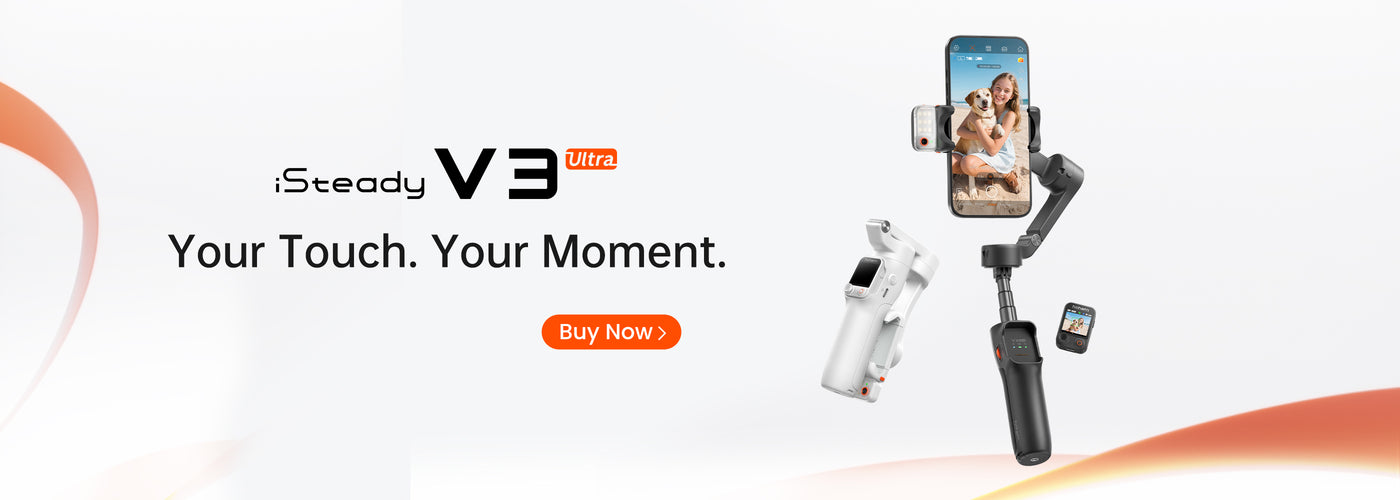
In today's fast-paced digital world, capturing stunning photos and videos has never been easier. However, with that ease comes the challenge of ensuring the quality and stability of your shots. For photographers and videographers alike, one essential tool that can enhance their creative expression is a fuse stabilizer. In this guide, we will dive deep into the world of fuse stabilizers, their importance, types, and how to choose the right one for your needs.

What is a Fuse Stabilizer?

A fuse stabilizer, in the context of photography and videography, is a device designed to minimize camera shake and vibrations that can occur during shooting. Whether you're capturing a scenic landscape or filming an action-packed scene, a stabilizer helps in maintaining a consistent frame, ensuring that your footage looks professional and polished.

Why You Need a Fuse Stabilizer

The importance of stabilizing your shots cannot be overstated. Here are some compelling reasons why investing in a quality fuse stabilizer is essential:

  • Smoother Footage: A stabilizer allows for smooth panning and tracking shots, leading to a cinematic look that captivates viewers.
  • Increased Flexibility: With a stabilizer, you can shoot from unusual angles or in crowded spaces without worrying about camera shake.
  • Improved Professionalism: Quality footage showcases professionalism, giving your work an edge in competitive markets like filmmaking or event videography.
  • Enhances Low-Light Shooting: When shooting in low light, reducing shake becomes even more critical. A stabilizer helps use available light effectively.

Types of Fuse Stabilizers

Fuse stabilizers come in several categories, each designed for specific situations. Understanding the different types can help you choose the right one for your needs:

1. Handheld Stabilizers

Handheld stabilizers, also known as gimbals, are ideal for those who want mobility while filming. They use motors and sensors to counteract movements, allowing you to capture smooth footage on the go. They are perfect for vloggers and event videographers.

2. Mount Stabilizers

These are typically mounted on a tripod or other support systems. They allow for stable shots without the need for extra support. Mount stabilizers are excellent for studio settings where controlled environments are preferred.

3. Steadicams

Steadicams are more advanced stabilizers that offer superior stabilization techniques. They use a combination of weights and articulating joints to deliver stunningly smooth shots even over uneven terrain. They are commonly used in professional film productions.

Choosing the Right Fuse Stabilizer

When selecting a fuse stabilizer, consider the following factors:

  • Camera Compatibility: Ensure that the stabilizer is compatible with your camera model and weight. Some stabilizers are designed for heavy professional cameras, while others cater to lightweight DSLRs or smartphones.
  • Portability: If you are frequently on the move, a lightweight and compact stabilizer may be the best choice.
  • Battery Life: For electronic stabilizers, battery life is crucial. Look for models with longer usage times and quick recharge capabilities.
  • Price: Stabilizers can range from budget-friendly to high-end models. Determine your budget while considering the features you truly need.

How to Use a Fuse Stabilizer Effectively

Once you’ve got your fuse stabilizer, the next step is to make the most out of it. Here are some tips to help you get started:

  • Balance Your Camera: Properly balancing your camera on the stabilizer is key to achieving smooth footage. Follow the instructions carefully to ensure it’s set up correctly.
  • Practice Movements: Work on your techniques for moving smoothly with the stabilizer. Start with simple walking movements and gradually increase the complexity as you become more comfortable.
  • Utilize the Features: Most modern stabilizers come with additional features such as panning, tracking, or time-lapse modes. Take advantage of these to enhance your creative storytelling.

Maintenance and Care of Your Stabilizer

To ensure longevity and performance, proper maintenance of your stabilizer is essential. Keep it clean and store it in a safe place when not in use. Check for any loose screws or parts regularly, and follow the manufacturer's guidelines for battery and component care.

Customer Reviews and Recommendations

Before making your purchase, reading customer reviews can provide valuable insights into the real-world performance of a stabilizer. Look for models with high ratings and consistent positive feedback, particularly regarding reliability and ease of use. Brands such as DJI, Zhiyun, and Moza are renowned in this space, offering a range of products that cater to different needs and budgets.

Future of Stabilization Technology

The future of stabilization technology is exciting, with advancements in AI and robotics playing a significant role. We can expect to see even more sophisticated, user-friendly devices that enhance the filmmaking experience. As new models flood the market, staying informed about the latest trends will be crucial for any serious photographer or videographer.

Resources for Further Learning

If you're looking to deepen your understanding of fuse stabilizers and cinematography, consider enrolling in online courses, participating in forums, or following respected influencers and educators in the field on social media. Platforms like YouTube also provide countless tutorials that can offer practical tips and tricks for maximizing your stabilizer's potential.

In summary, integrating a fuse stabilizer into your workflow as a photographer or videographer can significantly elevate your content quality. The right stabilizer combined with informed techniques can lead to stunning visuals, whether you're shooting a commercial project or capturing personal moments. Embrace the tools available to you, and watch your creative achievements soar!