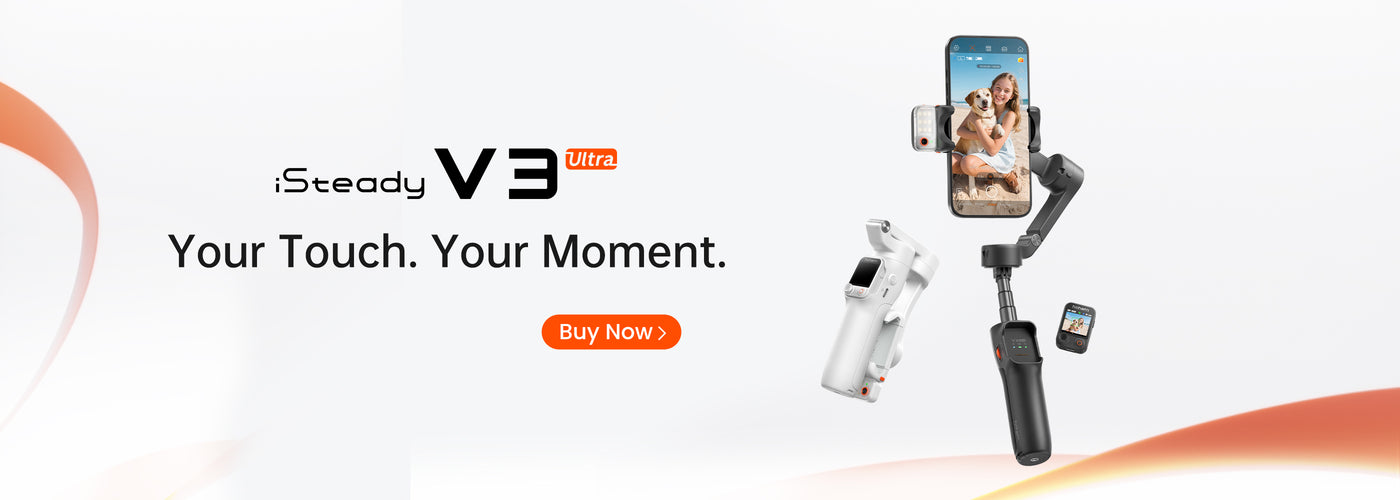
In today's fast-paced world, capturing the perfect shot has never been more critical. Whether you're a professional videographer, an enthusiastic hobbyist, or simply someone who loves documenting life's moments, achieving smooth footage is essential. This is where gimbals come into play. Not only do they stabilize your camera, but they also bring additional features to enhance your filming experience. One such feature is the gimbal login, which, while often overlooked, can dramatically improve usability and functionality. In this article, we’ll delve deep into gimbal login and explore how to make the most out of it, while also ensuring you're optimizing your camera accessibility and performance.

What is a Gimbal?

Before jumping into the specifics of gimbal login, it's essential to understand what a gimbal is. A gimbal is a pivoted support that allows the rotation of an object about a single axis. In the case of camera gimbals, these are motors that stabilize your camera when you're recording video. They counteract unwanted movements, allowing for smooth, cinematic footage, which is why they have become a fundamental tool in modern filmmaking.

Why Gimbal Login Matters?

Gimbal login is an often underestimated but highly beneficial feature in most modern gimbals. This functionality allows users to connect their gimbal to an app on their smartphones, granting access to several vital features. These include remote control settings, customizable profiles, and access to firmware updates. Logging into your gimbal improves your overall filming experience, providing seamless operation and piece of mind that your gimbal is functioning at its best.

Getting Started: Setting Up Your Gimbal for Login

To ensure that you fully utilize the gimbal login feature, it is crucial to understand how to set it up properly. Here’s a step-by-step guide to getting your gimbal ready:

  1. Charge Your Gimbal

    Start off by ensuring that your gimbal is fully charged. Most modern gimbals come with a USB-C charging port, which provides quick and efficient charging.

  2. Download the Gimbal App

    Search for the relevant application for your gimbal brand in the Apple App Store or Google Play Store. Popular brands like DJI, Zhiyun, and FeiyuTech have dedicated apps for their products.

  3. Create an Account or Sign In

    Open the app and either create a new account or log in using your existing credentials. Support for account management allows you to save your custom settings and preferences, thus enhancing convenience.

  4. Connect Your Gimbal

    Once you have logged in, navigate to the connection settings in the app. Follow the prompts to connect your gimbal via Bluetooth.

  5. Explore Features

    With your gimbal connected, delve into various settings that enhance your filming experience. These could include adjusting motor strength, tuning the gimbal's response time and customizing buttons for specific functions.

Exploring Features Accessible Through Gimbal Login

Now that you have your gimbal set up, let’s talk about some exciting features accessible through your gimbal login:

  • Firmware Updates

    Gimbal manufacturers frequently release firmware updates to enhance performance, correct bugs, or introduce new features. Keeping your gimbal updated is essential, and the app makes this process as straightforward as pressing a button.

  • Customizable Settings

    You can create different profiles tailored for various filming scenarios, such as fast movements, slow panning, or time-lapse. This means you won't have to fiddle with settings mid-shoot, saving time and ensuring consistency.

  • Remote Control Functionality

    Many gimbals offer an option to control the camera shutter directly from the app. This feature is invaluable for solo shooting or situations where you need to be in the frame.

  • Accessibility to Tutorials and Guides

    Logged-in users often have access to exclusive content such as video tutorials, user guides, and even community forums where fellow filmmakers share tips and tricks.

Optimization Strategies for Better Filming with Your Gimbal

Equipping yourself with knowledge about gimbal login is great, but implementing strategies to optimize performance is crucial. Below are tips to ensure you’re filming at your best:

  1. Understand Weight Distribution

    Make sure your camera is properly balanced on the gimbal. An unbalanced setup can lead to jerky footage and excessive motor strain. Follow the manufacturer’s guidelines on balancing for your specific model.

  2. Pre-plan Your Shots

    Prioritize planning your filming sequences. This reduces the temptation to rush, which can lead to shaky videos. Utilize your gimbal’s features to run through practice shots.

  3. Use a Static Base when Necessary

    Sometimes, placing your gimbal on a stable surface for tricky shots can lead to a smoother outcome. Consider this tactic in locations where you have access to a solid base.

  4. Limit Rapid Movements

    While gimbals are powerful tools, they can struggle with rapid movements. Always remember to find a smooth pace when transitioning between shots.

Common Troubleshooting Tips

Even with the best setups, issues may arise. Here are some common problems and how to solve them:

  • Issue: Gimbal Not Connecting to App

    Ensure Bluetooth is active on your phone and that your gimbal is powered on. If problems persist, restarting both devices often resolves the issue.

  • Issue: Gimbal Motor Overheating

    This could indicate a heavy load or extended use. Make sure the gimbal is suited for your camera’s weight and give it breaks between shooting sessions.

  • Issue: Video Feeds Are Unstable

    This typically indicates that the gimbal isn't balanced properly. Review the balance settings and make any necessary adjustments.

Tips for Sharing Your Gimbal Footage Online

Once you’ve captured stunning footage with your gimbal, sharing it effectively can be the key to getting noticed. Here are some tips:

  • Use Engaging Thumbnails: Capture viewer attention with captivating thumbnails that encapsulate the essence of your footage.
  • Add Tags and Keywords: Optimize your videos using relevant tags and keywords. This enhances discoverability on platforms like YouTube and Vimeo.
  • Engage with Your Audience: Respond to comments and foster community. An engaged audience is more likely to share your work.