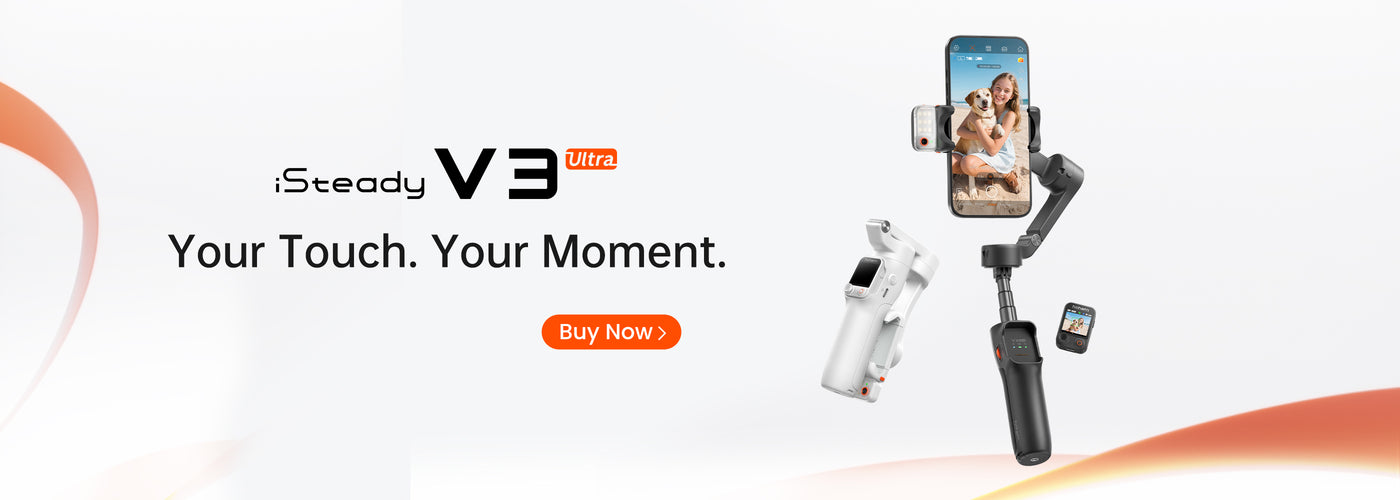
In a world dominated by digital content, the quality of videos and photographs can set creators apart. Whether you're a seasoned filmmaker, a vlogger, or a casual content creator, the tools you use play a crucial role in delivering stunning visual content. One of the most revolutionary tools available on the market today is the handheld gimbal camera. If you're looking for increased stability, fluid movement, and improved quality in your videos, this guide will provide you with everything you need to know about handheld gimbals.

What is a Handheld Gimbal Camera?

A handheld gimbal camera is a device designed to stabilize your camera while you're moving. It uses a system of motors and sensors to cancel out the shake and jitters typically associated with handheld filming. The result is smooth, cinematic footage that feels professional and polished. Gimbals can support various types of cameras, from smartphones to DSLRs, making them incredibly versatile for all kinds of creators.

Why Choose a Handheld Gimbal Camera?

Choosing a handheld gimbal comes with a plethora of advantages:

  • Smooth Footage: The primary benefit is the stabilization. Handheld shots can often result in shaky, unprofessional-looking footage. A gimbal eliminates this issue, allowing you to capture smooth, dynamic shots effortlessly.
  • Versatility: Gimbals can be used in various shooting scenarios—whether you’re capturing a wedding, a short film, or travel vlogs, they are highly adaptable.
  • Improved Composition: With a gimbal, you can execute complex shots, such as tracking shots, aerial footage, and low-angle shots, increasing your creative options.
  • Battery Life: Many gimbals come with extended battery life, allowing you to film longer without interruptions.

How to Choose the Right Handheld Gimbal

When selecting a gimbal, there are several factors to consider. Here’s a quick guide to help you make the best choice:

1. Compatibility

Ensure that the gimbal you choose is compatible with your camera setup. It’s crucial to check the weight limits and make sure your camera can be securely mounted.

2. Payload Capacity

If you plan on using additional gear, such as microphones or lights, you’ll need a gimbal with a higher payload capacity to accommodate the extra weight.

3. Battery Life

Look for a gimbal that offers long battery life, especially if you’re shooting all day. Some models even allow for battery swapping while operating.

4. Portability

If you’re traveling, portability is key. Choose a gimbal that’s lightweight and easy to pack, without sacrificing stability and performance.

Popular Handheld Gimbal Models

Here’s a look at some of the best handheld gimbals available on the market:

1. DJI Ronin-S

The DJI Ronin-S is a favorite among many filmmakers for its combination of power and ease of use. It supports a wide range of cameras and offers a 12-hour battery life—perfect for long shooting days. Its intuitive controls and advanced stabilization features make it a top choice for professionals.

2. Zhiyun Crane 2S

The Zhiyun Crane 2S boasts a robust build and impressive payload capability, making it a fantastic option for heavier camera setups. It comes equipped with an OLED display and a variety of shooting modes that cater to different filming styles.

3. Moza Air 2

The Moza Air 2 is known for its ease of use and affordability. It features a unique light design and several customizable modes that help you get the perfect shot whether you're panning or tracking.

Tips for Using a Handheld Gimbal

To help you get the best results from your handheld gimbal camera, consider the following tips:

1. Balance Your Camera

Before filming, ensure your camera is correctly balanced on the gimbal. A well-balanced gimbal will provide smoother footage and reduce wear on the motors.

2. Experiment with Different Modes

Most gimbals come with multiple operating modes like follow mode, lock mode, and vortex mode. Each mode serves a different purpose and can greatly enhance your shot variety.

3. Use Appropriate Camera Settings

Lock your frame rate and adjust your shutter speed according to filming standards. This will further improve the quality of your footage.

Common Mistakes to Avoid

Even experienced users can make mistakes. Here are some common errors to steer clear of:

1. Forgetting to Calibrate

Gimbals require calibration before use to ensure optimal performance. Skipping this step can lead to stability issues.

2. Ignoring Weight Limits

Overloading your gimbal can lead to motor failure and poor stabilization. Always check the specifications to avoid damage.

3. Neglecting Battery Management

Always check your battery before heading out. Running out of battery mid-shoot can result in missed opportunities.

Gimbals and the Future of Filmmaking

As we move further into a digital-first world, the demand for high-quality video content continues to grow. Handheld gimbals represent just one of the many innovations that enable creators to produce better content. As technology evolves, we can expect even more advanced features to enhance stability and versatility.

Investing in a handheld gimbal camera can significantly elevate your filmmaking capabilities. Whether you aim to capture breathtaking landscapes, exhilarating action shots, or intimate moments, a gimbal can help you achieve that steady, professional look you've been striving for. With the right knowledge and tools, your content can stand out in a crowded marketplace, helping you connect with your audience in more profound and lasting ways.