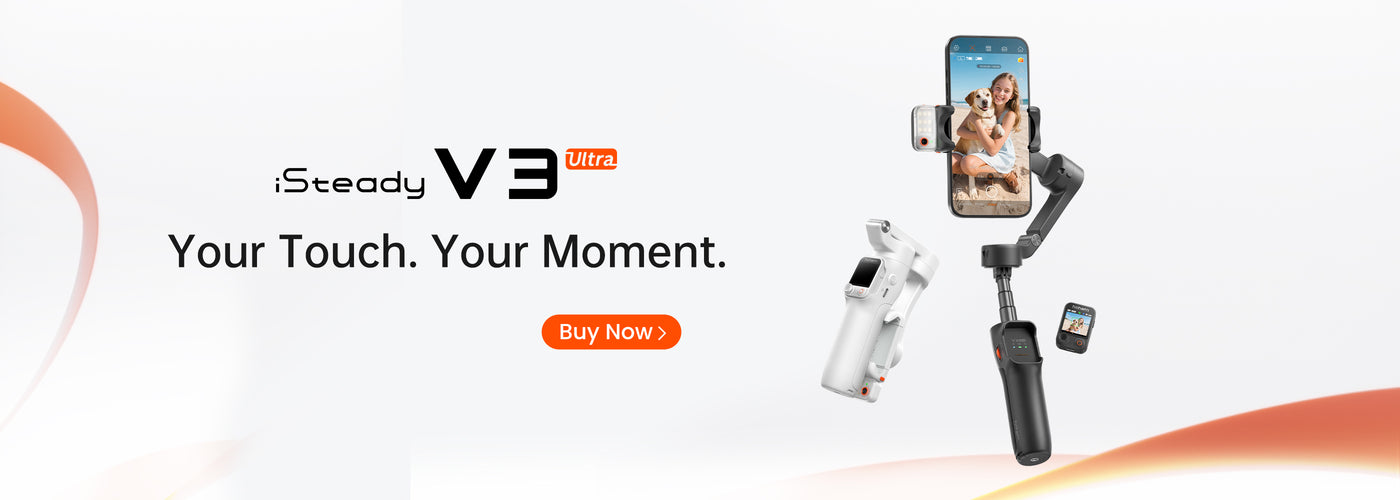
In the world of filmmaking and content creation, the importance of stable, high-quality footage cannot be overstated. Whether you’re a seasoned professional or an amateur just stepping into the realm of video production, mastering the art of capturing steady shots is crucial. Enter the palm gimbal camera—a revolutionary device that has transformed the way we shoot video, making it accessible to everyone. In this comprehensive guide, we’ll explore what palm gimbal cameras are, how they work, and why they are essential for today’s videographers.

What is a Palm Gimbal Camera?

A palm gimbal camera is a small, handheld stabilization tool designed to keep your camera steady while filming. Unlike traditional tripods or monopods, palm gimbals allow for motion while eliminating unwanted jitter or shake caused by hand movements. They use a system of motors and sensors to dynamically adjust the camera's position as you move, providing a smooth, cinematic experience that elevates video quality.

How Do Palm Gimbal Cameras Work?

Palm gimbals utilize a three-axis stabilization system to keep the camera level in all directions: pitch (up and down), roll (side to side), and yaw (left and right). This technology compensates for the user's movements, ensuring the footage remains stable and fluid. Sensors within the gimbal detect motion and adjust the motors accordingly, creating a seamless filming experience. The result? Professional-looking shots, even if you’re running, walking, or navigating difficult terrain.

The Components of a Gimbal

  • Motors: High-torque motors that respond to movement and stabilize the camera.
  • Sensors: Gyroscopic sensors that detect tilt and rotation.
  • Control System: An onboard computer that processes sensor data and adjusts the motors automatically.
  • Handle: A grip for easy maneuverability, often equipped with buttons for zooming and adjusting settings.

Benefits of Using Palm Gimbal Cameras

Investing in a palm gimbal camera offers numerous advantages for videographers, whether amateur or professional:

  • Smooth Footage: The primary benefit is, of course, steady video. No more shaky hand-held shots ruining your footage!
  • Portability: Most palm gimbals are lightweight and compact, making them easy to carry around.
  • Enhanced Creativity: With improved stability, you can experiment with different filming angles and movements, unleashing your creative potential.
  • User-Friendly: Many models are designed for simplicity, allowing novice users to achieve professional results without extensive training.

Choosing the Right Palm Gimbal Camera

Not all palm gimbals are created equal. When selecting the right model for your needs, consider the following factors:

1. Compatibility

Check if the gimbal is compatible with your camera or smartphone. Many popular gimbals are designed specifically for DSLRs, mirrorless cameras, or action cameras, while others cater to mobile devices.

2. Payload Capacity

Always review the maximum weight the gimbal can handle. Exceeding this limit could lead to poor stabilization and potential damage to your equipment.

3. Battery Life

Look for a gimbal that offers sufficient battery life to last through your filming sessions. Some models provide removable batteries, which can be a lifesaver during long shoots.

4. Features

Advanced features such as follow modes, object tracking, or zoom capabilities can enhance your shooting experience. Consider what features are important based on your shooting style.

Tips for Using a Palm Gimbal Camera

To ensure you get the most out of your palm gimbal camera, keep these tips in mind:

1. Balance Your Setup

Before turning on the gimbal, ensure your camera is well-balanced on the gimbal’s mounting plate. A well-balanced setup helps the motors work more efficiently.

2. Practice Different Techniques

Experiment with various filming techniques, such as panning, tilting, or tracking shots. Different movements will create varied results, and practicing will help you become more adept at using the equipment.

3. Use with Integrated Apps

If your gimbal comes with a companion app, take advantage of it. These apps often include powerful features like time-lapse, hyper-lapse, and more, which can enhance your filming capabilities.

Popular Palm Gimbal Cameras on the Market

Let’s take a look at some of the top palm gimbal cameras currently available:

1. DJI Osmo Mobile 3

Perfect for smartphones, the DJI Osmo Mobile 3 offers excellent stabilization, a compact design, and various intelligent shooting modes, making it a favorite among mobile filmmakers.

2. Zhiyun Crane M2

This versatile gimbal works well with smartphones, action cameras, and mirrorless cameras, allowing for impressive stability across different setups.

3. Feiyu Tech G6 Max

The G6 Max is built for heavy payload capabilities, accommodating a range of cameras while providing intuitive controls for a quick learning curve.

4. Moza Mini-S

With its foldable design and lightweight structure, the Moza Mini-S is a go-to choice for on-the-go filmmakers looking for reliability.

Final Thoughts on Palm Gimbal Cameras

Palm gimbal cameras have become indispensable tools for anyone serious about videography, offering a practical solution for achieving stunning, stable footage. By understanding their functionality, advantages, and features, as well as how to use them effectively, you can elevate your video production to new heights. Whether you’re capturing family moments, documenting your adventures, or creating breathtaking content for social media, a palm gimbal camera can make all the difference. Embrace this technology and let your creativity flourish!