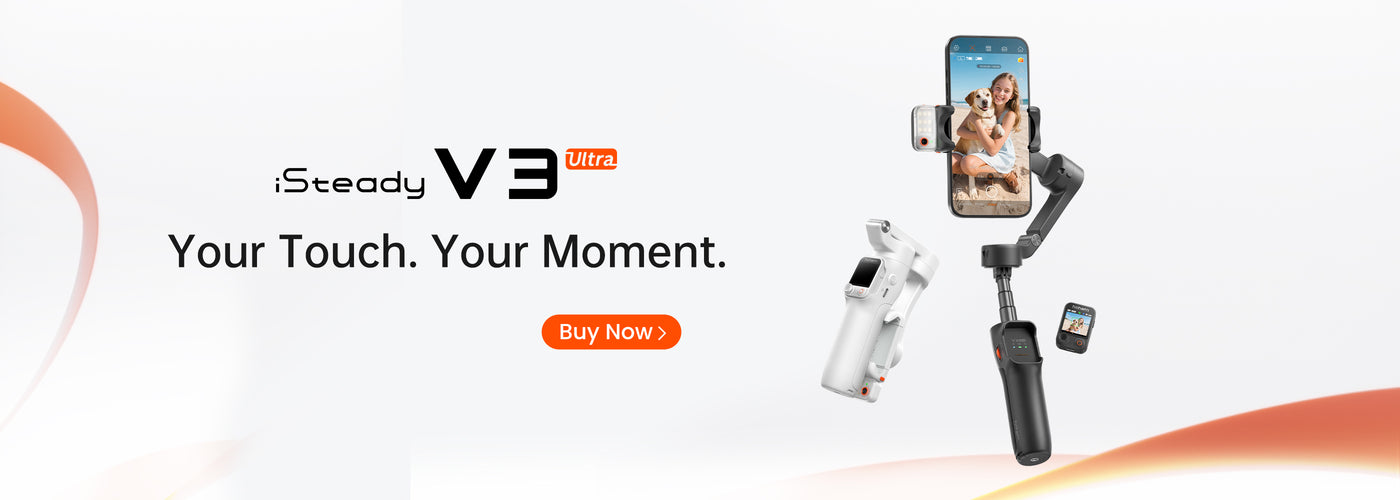
In the ever-evolving world of videography, having the right equipment can make a significant difference in the quality of your work. One such piece of equipment that has gained notable recognition among both amateur and professional videographers is the gimbal. When combined with the Sony A7S camera series, a gimbal can elevate your video production to unprecedented heights. In this comprehensive guide, we will explore the ins and outs of using an A7S gimbal, tips for selecting the best gimbal for your needs, and techniques to optimize your results.

Understanding the A7S Series

The Sony A7S series has made a name for itself due to its superior low-light performance, exceptional video quality, and ability to shoot in 4K. The compact design of the A7S makes it an excellent choice for videographers on-the-go. However, shaky camera movements can dramatically reduce the overall production quality. This is where gimbals come into play. By stabilizing your camera, gimbals allow for smooth, professional-looking shots even while in motion.

What is a Gimbal?

A gimbal is a pivoted support that allows the rotation of an object about an axis. It essentially keeps your camera level and stable, counteracting any unwanted movements caused by your hands or the environment. Many modern gimbals include advanced technology and features like motors, sensors, and even Bluetooth capabilities to enhance their functionality.

Why You Need a Gimbal for Your A7S

  • Enhanced Stability: Gimbals significantly reduce camera shake, resulting in much smoother footage.
  • Increased Flexibility: With a gimbal, you can shoot at various angles without the risk of instability.
  • Professional Quality: The stabilization offered by gimbals enhances the overall aesthetic of your videos, giving them a polished and professional vibe.
  • Dynamic Tracking Shots: Whether you're chasing a subject or capturing scenery, gimbals provide the ability to create fluid movement that engages viewers.

Selecting the Right Gimbal for the A7S

Choosing the right gimbal is crucial, as it directly affects your shooting experience. Here are some considerations:

1. Weight Capacity

Ensure the gimbal can support the weight of your A7S along with any additional accessories you plan to use, such as lenses or microphones.

2. Battery Life

Look for gimbals with long battery life so you can shoot uninterrupted during your sessions. Some gimbals also offer the ability to charge your camera while filming, which is a great feature for long shoots.

3. Ease of Use

Consider how user-friendly the gimbal is. Some gimbals come with advanced features that may require a learning curve, while others are more straightforward and perfect for beginners.

4. Portability

If you're on the move, choose a lightweight and compact gimbal that’s easy to carry. Portability can be a game-changer when filming in various locations.

Popular Gimbals for Sony A7S

Numerous gimbals are compatible with the A7S, but here are a few standout options:

1. DJI Ronin-S

The DJI Ronin-S is a highly regarded choice among filmmakers. Known for its robustness and range of features, it offers a maximum payload suited for heavier setups, providing smooth movement that adjusts well to different shooting environments.

2. Zhiyun Crane 2

The Zhiyun Crane 2 is perfect for those seeking precision. With its intuitive controls and impressive battery life, it caters to both novice and experienced videographers.

3. Moza Air 2

Famed for its versatility, the Moza Air 2 supports not only the A7S but also a wide range of cameras. Its unique features like time-lapse capabilities and a user-friendly interface make it an excellent investment.

Setting Up Your A7S Gimbal

Once you've selected your gimbal, it's time to get it set up. Here’s a step-by-step guide:

1. Balancing Your Camera

Before powering up your gimbal, ensure your A7S is properly balanced. Adjust the camera position on the gimbal until it stays level when you let go.

2. Mounting and Calibrating

Once balanced, mount your A7S securely to the gimbal's plate. Follow the gimbal's calibration instructions to ensure optimal performance.

3. Familiarizing with the Controls

Take time to understand the gimbal’s controls. Many gimbals feature modes for different shooting scenarios, like follow mode and lock mode, each useful for varying types of shots.

Techniques for Filming with an A7S Gimbal

Mastering the gimbal can open up new creative avenues in your videography. Here are some techniques to help you capture stunning footage:

1. Slow and Steady Wins the Race

For the smoothest shots, maintain a slow and steady pace when moving. Fast movements may compromise stability, leading to shaky footage.

2. Dynamic Angles

Utilize your gimbal to experiment with various angles. Create low-to-the-ground shots to add drama or high-angle shots for a bird's-eye perspective.

3. Creative Transitions

Use your gimbal’s movement to facilitate smooth transitions between scenes or settings. Incorporating pans and tilts can keep the audience engaged and create a seamless narrative.

Post-Production Tips for Gimbal Footage

Even the most stunning footage can shine brighter with a little post-production magic. Here are some post-processing tips:

1. Color Grading

Utilize color grading to enhance the mood of your footage. The A7S offers outstanding dynamic range, which allows you to bring out details in highlights and shadows.

2. Smooth the Edges

If your gimbal didn’t fully eliminate camera shakes, use stabilization software during editing to fine-tune your shots further.

3. Sound Design

Don’t overlook audio. Crisp, clear sound design can elevate your videos dramatically, providing context and atmosphere for the viewer.

Common Mistakes to Avoid

Even with the best equipment, mistakes can happen. Here are common missteps to avoid when working with an A7S gimbal:

  • Not Balancing Properly: Failing to balance your camera can lead to overheating and unnecessary wear on the gimbal’s motors.
  • Overcomplicating Shots: Sometimes, simplicity is key. Complicated maneuvers can result in awkward shots.
  • Ignoring Battery Levels: Check your battery levels often; running out in the middle of a shoot can be frustrating.

Final Thoughts

Using a gimbal with your Sony A7S offers endless possibilities for creativity and artistry in videography. By investing in the right gimbal and mastering its features, you can produce high-quality, professional content that captivates audiences. Whether you’re filming a wedding, a short film, or a vlog, incorporating a gimbal into your workflow is sure to make a significant impact on your production quality.

Embrace the art of motion and let your creativity flow using the powerful combination of the A7S and a gimbal. Happy filming!