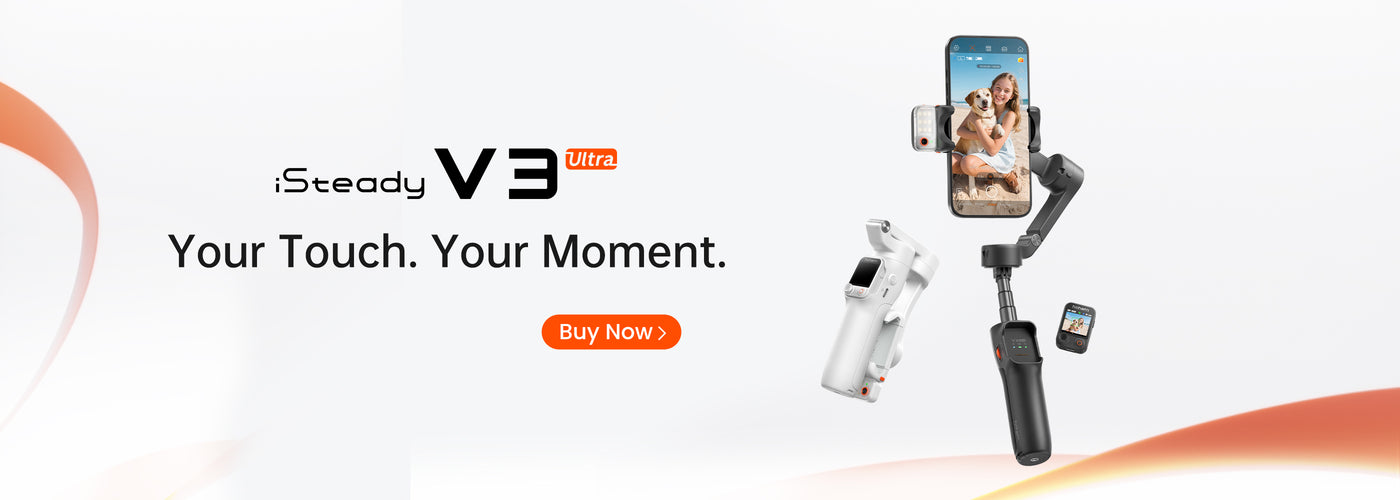
In the world of filmmaking, the importance of smooth, stable footage cannot be overstated. Thanks to technological advancements, autopilot camera stabilizers have become indispensable tools for content creators, filmmakers, and videographers alike. This guide will delve into what autopilot camera stabilizers are, how they work, their benefits, and the best products available in the market today.

What is an Autopilot Camera Stabilizer?

An autopilot camera stabilizer is a device designed to eliminate unwanted camera movements, allowing for smoother shots during filming. Using advanced algorithms and motorized control, these stabilizers keep the camera level and steady, even when the operator is moving. This technology is vital in capturing high-quality video, especially in dynamic environments like sports events, weddings, or action scenes.

How Do Autopilot Camera Stabilizers Work?

Autopilot stabilizers utilize gyroscopic sensors to detect camera motion and adjust in real-time to counteract these movements. Here’s how it works:

  • Motion Detection: The stabilizer's sensors detect any tilt, roll, or yaw movements.
  • Real-Time Adjustments: Using motors, the stabilizer adjusts the camera’s position almost instantaneously to maintain a level frame.
  • Smooth Transitions: The combination of sensors and motors enables smooth transitions, making it effortless to create cinematic effects.

Benefits of Using Autopilot Camera Stabilizers

  • Improved Video Quality: Achieving professional-grade footage with minimal effort.
  • Versatility: Suitable for various shooting styles - be it handheld, on a car mount, or during extreme sports.
  • Time-Saving: Reduced post-production efforts as a result of fewer shaky shots.
  • Enhanced Creativity: Freedom to experiment with different angles and movements without worrying about stability.

Types of Autopilot Stabilizers

Several types of autopilot camera stabilizers cater to the diverse needs of filmmakers:

1. Handheld Gimbals

Handheld gimbals are the most common type of stabilizer. They are lightweight, easy to use, and perfect for solo shooters. Most handheld gimbals offer multiple shooting modes, such as follow mode and lock mode, providing creative flexibility.

2. Gimbal Rigs

For professional filmmakers, gimbal rigs provide robust stability and additional control. These systems often involve more complex setups, allowing the use of DSLR cameras and lenses.

3. Steadicams

Steadicams offer a different approach by using mechanical counterweights to stabilize the camera rather than motors. They require skill to operate but can produce incredible results.

4. Drone Stabilizers

For aerial footage, drone stabilizers integrate stabilization into drones themselves, ensuring smooth shots from the air, eliminating shakes and jitters caused by wind and movement.

Choosing the Right Autopilot Camera Stabilizer

When selecting an autopilot camera stabilizer, consider the following factors:

  • Compatibility: Ensure the stabilizer is compatible with your camera's weight and size.
  • Battery Life: A longer battery life is essential for extended shooting sessions.
  • Weight: Balance portability with the stability needs of your production.
  • Ease of Use: Look for models that are user-friendly, especially if you're a beginner.

Best Autopilot Camera Stabilizers in 2025

Here are some of the top-rated autopilot camera stabilizers you can consider investing in:

1. DJI Ronin-S

The DJI Ronin-S is a handheld gimbal designed for DSLR and mirrorless cameras. It features advanced stabilization algorithms, a stunning payload capacity, and a series of shooting modes that can adapt to various creative needs.

2. Zhiyun CRANE 3 Lab

This gimbal stands out with its unique quick-release system, allowing you to go from shooting to packing up in seconds. It also provides a focus puller for even more creative control.

3. FeiyuTech AK2000C

The AK2000C offers a budget-friendly option without sacrificing quality. Its smart mode allows for simple setup and operation, making it an ideal choice for beginners and enthusiastic filmmakers.

Tips for Using Your Autopilot Camera Stabilizer

To maximize the effectiveness of your autopilot camera stabilizer, keep these tips in mind:

  • Balance is Key: Before filming, ensure that your camera is properly balanced on the stabilizer. This will improve performance and prevent motor strain.
  • Smooth Movements: Even with a stabilizer, maintaining a smooth motion while filming reduces the chance of unwanted jerks.
  • Practice Different Techniques: Experiment with various shooting modes and styles to see what works best for your project.
  • Regular Maintenance: Perform consistent checks and maintenance on your stabilizer to keep it running smoothly.

Common Mistakes to Avoid

Every filmmaker makes mistakes. Here are some common pitfalls to avoid when using autopilot camera stabilizers:

  • Overloading: Exceeding the stabilizer's maximum weight can lead to performance issues.
  • Neglecting Calibration: Regularly calibrating your stabilizer ensures optimal performance.
  • Ignoring User Manuals: Always refer to the manufacturer’s guidelines for the best use practices.

The Future of Autopilot Camera Stabilizers

As technology continues to evolve, we can anticipate exciting advancements in autopilot camera stabilizers. Features like AI integration and enhanced wireless controls are just the beginning of what the future holds for filmmakers seeking to elevate their craft.

Final Thoughts

Investing in an autopilot camera stabilizer is a game-changer for any filmmaker serious about capturing high-quality footage. Whether you're filming a wedding, creating vlog content, or producing short films, the right stabilizer will help achieve the cinematic quality that dazzles audiences. Explore your options, practice regularly, and let your creativity shine through stunning stabilized footage.