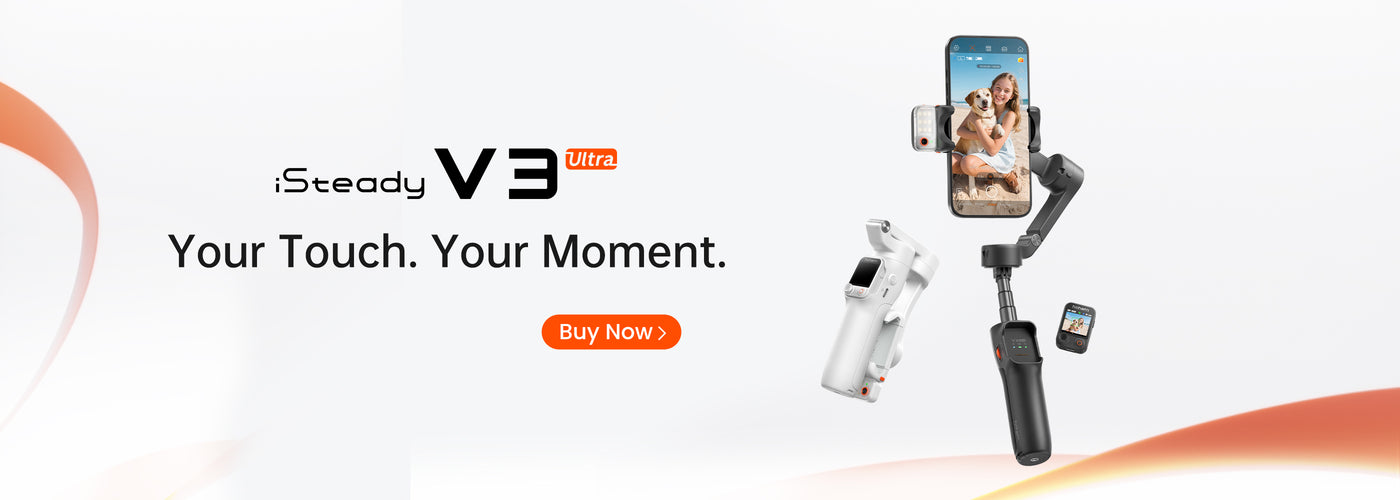
Video content has taken the digital world by storm, soaring in popularity across platforms like YouTube, Instagram, and TikTok. As the visual storytelling paradigm shifts, the demand for high-quality content continues to escalate. One key component contributing to that polished look in video production is stability, and that's where video camera stabilizer sticks come into play. In this blog post, we will delve deep into everything you need to know about choosing the right stabilizer stick for your video camera.

What is a Camera Stabilizer Stick?

A camera stabilizer stick, often referred to as a gimbal or steadicam, is a device designed to maintain the smoothness of video footage by minimizing unwanted camera movements. Whether you're a seasoned filmmaker or a budding content creator, the importance of having steady footage cannot be overstated. These tools essentially allow you to create silky smooth panning shots, dynamic tracking, and overall heightened cinematic quality.

Types of Video Camera Stabilizers

Understanding the different types of stabilizers can help you choose one that matches your filming style. Here are the most common types:

  • Handheld Gimbals: These are perfect for solo videographers. They come with motorized systems that counteract your hand movements. This is the go-to option for vlogging and event filming.
  • Shoulder Mount Stabilizers: More suited for larger cameras, these provide stability through a harness system, distributing the weight across your body, which allows for extended shooting without fatigue.
  • Tripod Stabilizers: Ideal for static shots, tripod stabilizers can maintain the stiffness needed for time-lapses and long exposure photography.
  • Flycam Systems: Often used in professional filming, flycam systems allow for smooth moving shots and can attach to drones or rigs.

Key Features to Look For

When selecting a stabilizer, you'll want to consider several essential features that can make or break your shooting experience. Here are some critical aspects to keep in mind:

Weight Capacity

Your stabilizer needs to support the weight of your camera and any accessories you might mount on it. Always check the manufacturer's specifications for weight capacity and ensure your setup falls within the optimum range.

Battery Life

Since many stabilizers are motorized, battery life becomes critical. Look for models that offer extended usage between charges. Some stabilizers come with removable battery packs for on-the-go charging, which can be a lifesaver during long shoots.

Build Quality

Durability matters, especially if you plan to use your stabilizer in rugged conditions. Look for materials that can withstand everyday stresses and be resistant to weather elements.

Ease of Use

In a world where time is money, ease of setup and operation can greatly benefit your workflow. Some stabilizers offer preset modes, making it simpler for beginners to achieve professional-looking shots.

Smart Features

As technology advances, so do stabilizers. Some models now include features such as object tracking, remote apps, and live feedback. These additions can offer significant advantages for achieving dynamic shots.

Budget Considerations

Stabilizers come at various price points, from entry-level to professional grade. It's essential to establish a budget before you start shopping. While it's tempting to go for the cheapest option available, investing in better quality will yield better results and longevity. Consider the trade-offs and choose wisely; sometimes paying a little more can save you headaches in the future.

Popular Brands and Recommendations

There are several reputable brands known for producing high-quality video camera stabilizers. Here’s a rundown of some popular models that the market loves:

  • Zhiyun Crane: Known for its exceptional balance and performance, suitable for both amateurs and professionals.
  • DJI Ronin-S: A powerhouse with incredible features tailored for DSLR and mirrorless cameras. It’s compact yet highly capable.
  • FeiyuTech G6: This is waterproof and boasts extended battery life, making it a favorite among outdoor enthusiasts.
  • Moza Aircross: Perfect for lightweight cameras, providing advanced functionalities packed into a portable design.

Maintaining Your Stabilizer

Like any piece of equipment, keeping your stabilizer in tip-top shape prolongs its lifespan. Regularly clean the gimbal components to remove dust and grime. Always store it in a protective case to prevent accidental damage, especially when traveling. Additionally, familiarize yourself with the manufacturer’s maintenance guidelines, as each model may have unique requirements.

Shooting Techniques with a Stabilizer

Understanding how to best utilize your stabilizer can dramatically improve your video quality. Here are a few tips and techniques:

  • Use Your Legs: Engage your legs when moving with the stabilizer. Keep your movements fluid and your knees slightly bent to absorb shocks.
  • Practice Pans: Smooth, controlled pans can achieve cinematic effects, so practice your movement to master this skill.
  • Shoot in a Controlled Environment: When starting, try using your stabilizer in already stable environments to get a hang of its size and weight before taking it into the field.

Conclusion

Video camera stabilizers are incredible tools that can enhance the quality of your video production. By understanding the different types, key features, and brands available, you can make an informed choice that best suits your needs. Investing time in learning how to use your stabilizer effectively will yield dividends in the quality of your content and can help elevate your storytelling to the next level.