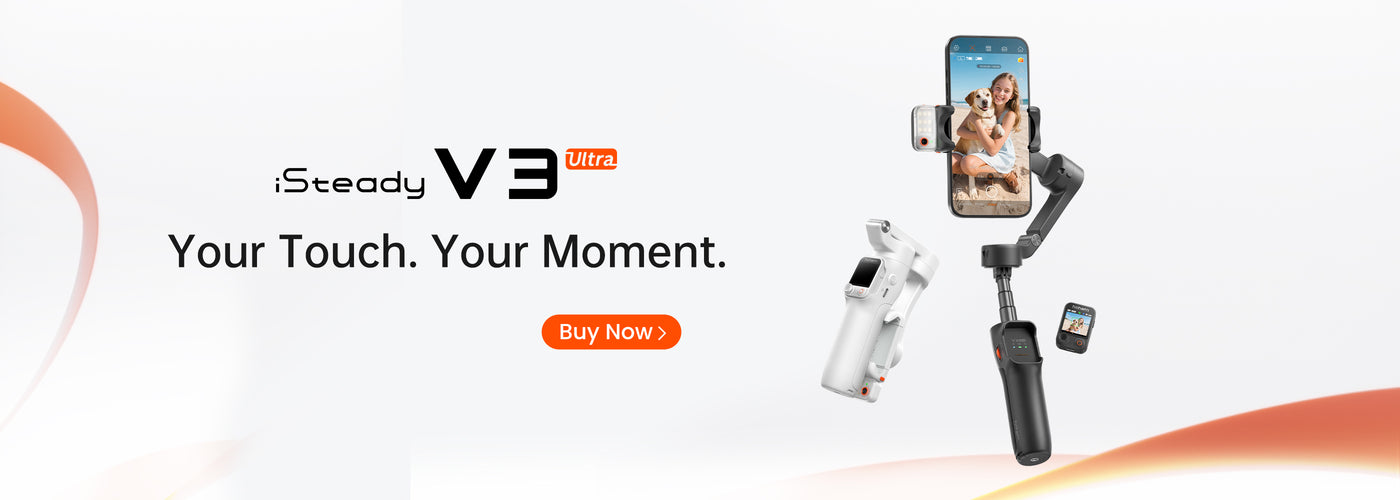
In the world of video production, stability is key to creating high-quality footage. Whether you're an amateur filmmaker or a seasoned professional, you’ve likely encountered the term "gimbal." These magical devices have revolutionized the way we capture smooth cinematic shots, but with so many options available, choosing the right one can be overwhelming. In this article, we’re diving deep into the differences and applications of 2 vs. 3 axis gimbals to help you make an informed decision for your next project.

What is a Gimbal?

Before we explore the different types of gimbals, let’s first clarify what a gimbal is. A gimbal is a pivoted support that allows the rotation of an object about an axis. Gimbals can stabilize cameras on handheld rigs or drones, limiting unwanted movements caused by human hand shake or external disturbances. The use of gimbals can significantly enhance the quality of your footage, delivering smoother motion even in the roughest of environments.

Understanding 2 Axis Gimbals

2 axis gimbals stabilize movement on two axes: pitch (up and down) and roll (side to side). Typically, these devices are more compact and lightweight, making them an excellent choice for smaller cameras and mobile devices. Here's a closer look at the features and use cases of 2 axis gimbals:

Advantages of 2 Axis Gimbals

  • Lightweight and Portable: Due to their fewer moving parts, 2 axis gimbals tend to be lightweight, making them easy to carry around, especially for travel filmmakers.
  • Cost-Effective: Generally, 2 axis gimbals are more affordable than their 3 axis counterparts, making them an attractive choice for those on a budget.
  • Simple Operation: With fewer axes to monitor, beginners often find 2 axis gimbals more intuitive and easier to use.

Limitations of 2 Axis Gimbals

  • Limited Stabilization: While they do a good job with basic stabilization, 2 axis gimbals can struggle with sudden, sharp movements that require stabilization along the yaw axis (left and right).
  • Not Ideal for Dynamic Scenes: If you're filming action sequences or unpredictable scenes (like sports), the lack of yaw stabilization can lead to undesirable footage.

Understanding 3 Axis Gimbals

In contrast, 3 axis gimbals stabilize all three axes: pitch, roll, and yaw. This added stabilization allows for a greater range of motion and versatility, making it ideal for more complex filming scenarios.

Advantages of 3 Axis Gimbals

  • Superior Stabilization: With the ability to counteract movement in all directions, 3 axis gimbals offer smooth footage no matter how dynamic the situation is.
  • Versatile Use Cases: Perfect for a range of environments including action sports, documentaries, and narrative filmmaking, where camera angles and movements vary significantly.
  • Enhanced Control: Many 3 axis gimbals allow for more control over camera movements, offering features like manual adjustments, different filming modes, and follow focus options.

Limitations of 3 Axis Gimbals

  • Weight and Size: The additional motors and mechanics in 3 axis gimbals make them bulkier and heavier, which can be a disadvantage for handheld filming.
  • Higher Cost: As a rule of thumb, the added technology in 3 axis gimbals drives up the price, making them less accessible to beginners.

Choosing the Right Gimbal for Your Needs

When deciding between a 2 axis and a 3 axis gimbal, consider the following:

  1. Your Budget: If you’re just starting out, a 2 axis gimbal can serve your needs without a significant financial commitment.
  2. Type of Filming: Identify the kinds of projects you'll be undertaking. For static shots and simple filming, a 2 axis gimbal is sufficient. For fast-paced filming with lots of action, opt for a 3 axis gimbal.
  3. Camera Compatibility: The weight and size of your camera can also be a deciding factor. Ensure that the gimbal you choose can support your camera setup.

Common Use Cases and Examples

To better illustrate where each type shines, let’s explore some real-world scenarios:

2 Axis Gimbal Use Cases

  • Vlogging: Lightweight and compact, making them perfect for handheld vlogging, allowing for steady shots while on the move.
  • Event Coverage: Suitable for capturing events like weddings where movement may be slower and controlled.

3 Axis Gimbal Use Cases

  • Action Sports: Essential for capturing high-speed movement in sports like skateboarding, surfing, or biking, providing the stability needed for thrilling action shots.
  • Documentary Filmmaking: Great for following subjects as they move through various environments, ensuring smooth transitions and stable footage.

Final Thoughts on Gimbals

Choosing between a 2 axis or 3 axis gimbal ultimately depends on your unique needs as a filmmaker. If you're working on a tight budget with static shots, a 2 axis gimbal will serve you well. However, if you're looking for superior stabilization in dynamic environments, a 3 axis gimbal is the way to go. Understanding the nuances of these tools can elevate your filmmaking skills and result in more polished, professional-looking videos.

Investing in the right gimbal can be a game-changer for your video projects, making it essential to weigh your options carefully. Take your time, do your research, and find the equipment that perfectly aligns with your creative vision.