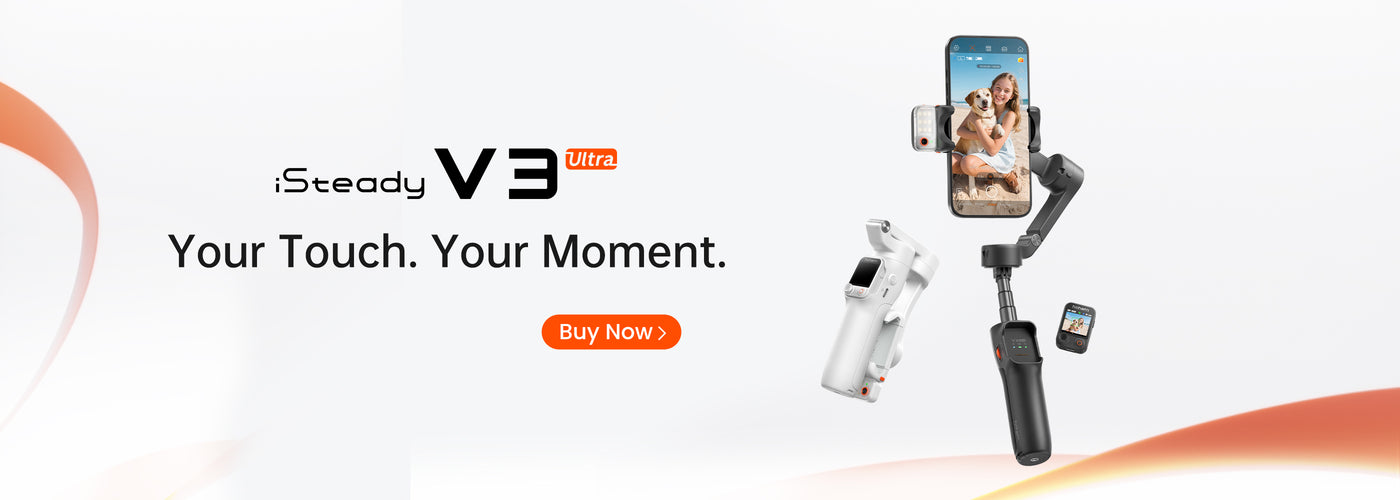
If you're delving into the world of photography and videography, you may have come across the term "stabilizer" more often than not. But what does stabilizer mean on my camera? In this article, we will explore the concept of camera stabilizers, their different types, how they function, and their significance in enhancing the quality of your shots—both in photography and video production.

What is Camera Stabilization?

Camera stabilization refers to the methods used to minimize the blurriness caused by camera shake during photo or video capture. It plays a crucial role, especially for handheld shooting, where the slightest movement can lead to distorted images or shaky footage. By using a stabilizer, photographers and videographers can maintain sharper images and smoother video playback.

Why is Stabilization Important?

Camera stabilization is essential for various reasons:

  • Quality of Work: A stabilized camera shot captures more detail and clarity, leading to more professional-looking results.
  • Ease of Use: Amateur photographers can benefit greatly from stabilization, as it allows even those with minimal experience to capture quality images.
  • Versatility: Whether you're shooting in a bustling city, a bustling sports event, or capturing nature, stabilization allows for adaptability to different environments.
  • Improved Focus: With less shake, photographers can focus better on their subjects and achieve a clearer shot.

Types of Camera Stabilizers

Understanding the different types of stabilizers available in the market is crucial for selecting the right one for your specific needs. The following are the primary types:

1. Optical Image Stabilization (OIS)

Optical Image Stabilization is built into the camera lens or sensor. When shooting, OIS compensates for camera shake by using gyroscopic sensors to detect movement and adjust the lens or sensor accordingly. This method is often found in lenses designed for DSLRs and mirrorless cameras.

2. In-Body Stabilization (IBIS)

Many modern mirrorless cameras come equipped with In-Body Image Stabilization. IBIS works by shifting the camera’s sensor to counteract any movement detected. This type of stabilization is beneficial for various lenses, even those without OIS, ensuring consistent stability across all your shots.

3. Gimbals

Gimbals are handheld devices that use motors and sensors to provide smooth stabilization for cameras. They allow for fluid movement and can be rotated in multiple axes, making them ideal for capturing dynamic shots, especially in motion-heavy scenarios like filming sports or events.

4. Steadicams

A Steadicam is a device that allows for smooth camera movement when shooting on the move. It supports the camera and absorbs shaking, helping the operator achieve seamless shots without the harsh jerks of handheld filming. Steadicams often require practice to master but can yield impressive results.

How to Choose the Right Stabilizer

Choosing the right stabilizer can be overwhelming, given the variety available. Here are some factors to consider:

  • Type of Shooting: Consider what type of photography or videography you will be doing. Action sports may require a gimbal, while traditional portraits may benefit more from lens OIS.
  • Weight and Portability: A lightweight stabilizer is easier to carry, especially for extended shoots. Make sure it balances well with your camera setup.
  • Compatibility: Ensure the stabilizer you choose is compatible with the camera model you are using. Not all gimbals or steadicams will support every camera.
  • Battery Life: If you’re shooting for long hours, consider the battery life of electronic stabilizers. You wouldn't want your equipment to fail mid-shoot.

Tips for Using a Camera Stabilizer

When you have selected a stabilizer, here are some tips to maximize its potential:

  • Practice: Familiarize yourself with the stabilizer’s controls and movement. Practice helps you understand how the stabilizer reacts to motion.
  • Correct Settings: Always adjust your camera settings according to the environment to optimize your stabilizer's effectiveness.
  • Movement Techniques: When moving with a gimbal or steadicam, take smooth, deliberate steps rather than abrupt movements. This helps maintain stability.
  • Monitor Your Shots: Use monitors or the camera's screen to ensure you are framing your shots correctly throughout the stabilization process.

Common Issues and Troubleshooting

Even with the best stabilizer, you may encounter some challenges. Common issues include:

  • Overlooking Calibration: Ensure you calibrate your stabilizer before use for optimal performance.
  • Battery Drain: If using an electronic stabilizer, keep an eye on battery levels to prevent failure.
  • Weight Distribution: Incorrect weight distribution on gimbals can lead to instability; ensure your camera is mounted correctly.

Real-World Examples of Stabilizer Use

To illustrate the practical value of stabilizers, let’s look at a few scenarios that showcase their importance:

Event Filming

Imagine filming a wedding ceremony or a corporate event. Here, a gimbal can help you smoothly capture the couple’s first dance or important speeches without the jerky movements that handheld shooting often brings.

Travel Photography

Traveling can be unpredictable, with quick movements and changes in scenery. Using a stabilizer to capture breathtaking vistas or candid shots of locals ensures that your visuals remain stable, ultimately elevating your travel photography portfolio.

Sports and Action Shots

For photographers shooting fast-paced sports, stabilizers allow for tracking movements without sacrificing image quality. The ability to pan smoothly across the action ensures great shots that are clear and engaging.

The Future of Camera Stabilization

The world of camera stabilization is ever-evolving, with advancements in technology leading to more innovative solutions. Future trends may include smarter AI-driven stabilization systems that adapt dynamically to shooting conditions, making handheld shooting even more manageable for amateur photographers and videographers alike.

In summary, understanding what stabilizer means on your camera is pivotal for anyone interested in improving their photography or videography skills. By grasping the concept and importance of stabilization and choosing the right type for your needs, you can enhance the quality of your images and take your creative projects to new heights.