In the realm of aerial cinematography, capturing stunning footage can often be a challenging endeavor. The advent of drone technology has revolutionized this field, and combining drones with gimbal stabilizers takes your creativity to new heights—quite literally. Specifically, 3DR gimbals have emerged as a key player in this revolution, enabling filmmakers and photographers to create breathtaking visuals with ease.

This blog post aims to dive into the world of 3DR gimbals, exploring their features, benefits, and how they can transform your shooting experience whether you're a hobbyist or a professional. So grab your gear, and let’s explore how to get the most out of your 3DR gimbal.

What is a Gimbal?

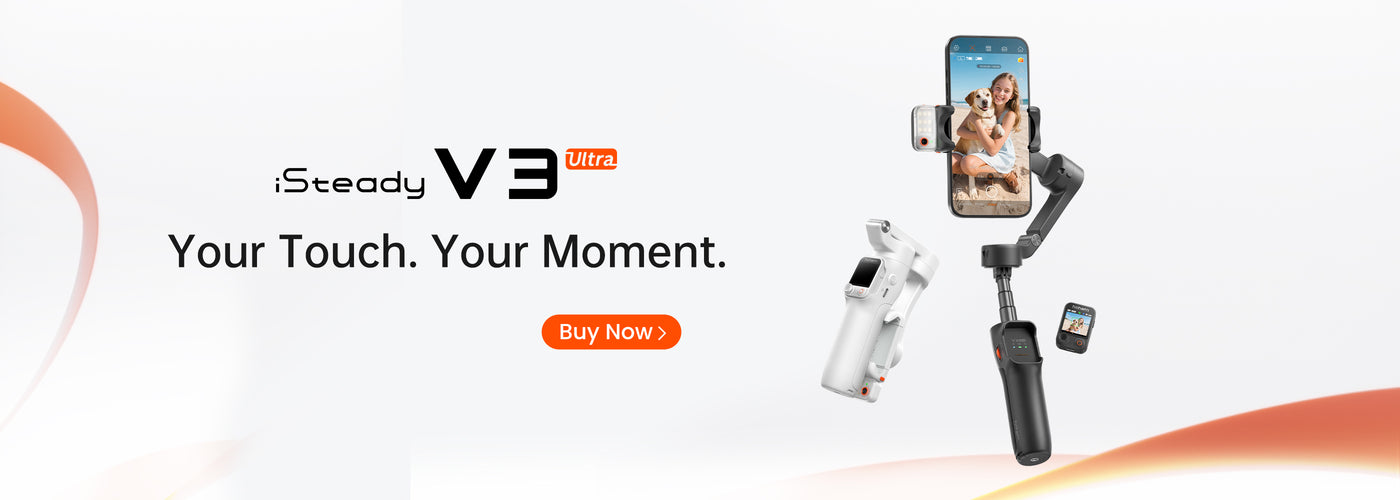
A gimbal is a pivoted support that allows the rotation of an object about a single axis. In simpler terms, it stabilizes your camera while filming to ensure that every shot is smooth and looks cinematic. 3DR gimbals are exceptionally designed to keep your camera steady, preventing unwanted shake and vibrations.

Types of 3DR Gimbals

3DR offers various types of gimbals suitable for different applications:

  • Handheld Gimbals: Ideal for capturing footage while on the move.
  • Drone Gimbals: Specifically designed for aerial photography and videography, easily mounted onto your drone.
  • Action Camera Gimbals: Perfect for adventure sports enthusiasts who want to capture high-quality footage.

Key Features of 3DR Gimbals

When considering which gimbal to invest in, here are some popular features to look out for:

  • Three-Axis Stabilization: This feature allows smooth and stable filming in all directions.
  • Lightweight Design: Designed for portability without compromising on durability.
  • Extended Battery Life: Ensures you can shoot longer without needing constant recharges.
  • Intuitive Controls: Easy-to-use controls enhance your filming experience.

Why Choose 3DR Gimbals?

There are plenty of reasons to choose 3DR gimbals for your filming needs:

  1. Enhanced Stability: The three-axis stabilization feature effectively eliminates shakes and jitters, providing professional-quality footage.
  2. Versatility: Whether you’re shooting in urban environments, dynamic landscapes, or during high-energy actions, 3DR gimbals can handle it.
  3. Maximized Creativity: With enhanced stabilization, you can experiment with more dynamic shots and angles.
  4. Intercompatibility: Many 3DR gimbals are designed to be used with a wide range of cameras and drones, making them versatile for any filming situation.

Getting Started with 3DR Gimbals

To get started with your 3DR gimbal, follow these simple steps:

  1. Read the Manual: Always start with the manufacturer's instructions to understand your gimbal's workings.
  2. Balance Your Camera: Properly balancing your camera on the gimbal ensures seamless operation.
  3. Practice the Controls: Spend some time familiarizing yourself with the controls, including speed settings and axis lock capacities.
  4. Test Shots: Take the gimbal for a spin by shooting in different environments to understand its capabilities.

Tips for Filming with 3DR Gimbals

Now that you have your gimbal set up, here are some advanced tips to elevate your filming skills:

  • Use slow and controlled movements to enhance stability.
  • Incorporate different shooting angles, such as low/high shots or tracking shots, to create visual interest.
  • Adjust the gimbal settings according to your specific shooting needs, whether it’s for soft transitions or quicker responses.
  • Regularly check and maintain your equipment to ensure longevity and consistent performance.

Common Mistakes to Avoid

Filming with a gimbal can be intuitive, but there are still common pitfalls to avoid:

  • Improper Balancing: Failing to balance your camera correctly can lead to operational issues.
  • Neglecting the Battery: Always check your gimbal's battery status before shooting to avoid interruptions.
  • Lack of Practice: Failing to practice the controls can lead to missed shots and frustration.

Showcasing Your Work

After capturing stunning footage with your 3DR gimbal, it’s time to showcase your work. Consider these platforms:

  • Social Media: Share snippets of your work on platforms like Instagram, Facebook, and TikTok for instant feedback.
  • YouTube: Create a channel dedicated to your aerial work, offering tutorials and behind-the-scenes glimpses.
  • Film Festivals: Submit your footage to a film festival to get recognized in the professional community.

Embracing the Future with 3DR Gimbals

The evolution of gimbal technology will continue to impact the way we create content. With 3DR gimbals leading the charge, there’s no telling what cinematic feats can be achieved. Embrace the learning curve, keep exploring new techniques, and unlock the full potential of your creative vision.