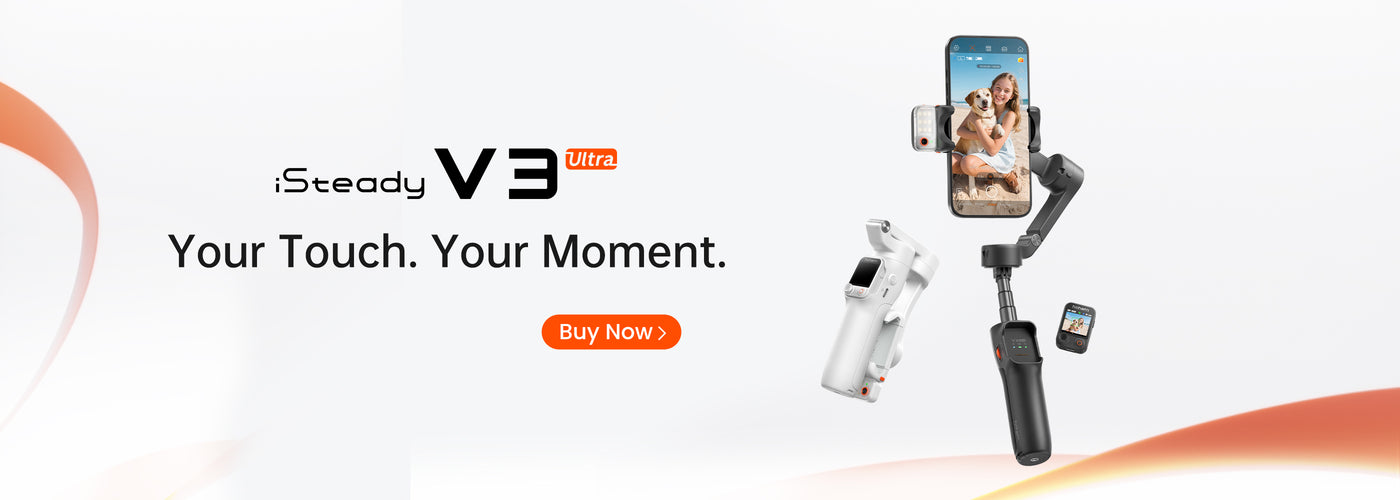
In the world of photography and videography, stability is paramount. Whether you are a seasoned professional or an enthusiastic amateur, having a high-quality gimbal can significantly enhance your shooting experience. This guide will delve into the features, types, and essential considerations to help you choose the perfect gimbal for your camera.

Understanding Gimbals: What Are They?

A gimbal is a device that stabilizes your camera, allowing you to capture smooth and steady shots even in dynamic or challenging conditions. Equipped with motors and sensors, gimbals adjust to your movements in real-time, compensating for shakes and jitters. This technology is essential for filmmakers, vloggers, and travel enthusiasts who want to achieve professional-quality footage without the bulk and limitations of traditional stabilizers.

Types of Gimbals

Gimbals come in various shapes and sizes, tailored to different needs. Understanding the types available is crucial for making an informed decision.

1. Handheld Gimbals

Handheld gimbals are perhaps the most common type, designed for smartphones and camera setups. They are portable and easy to use, making them ideal for casual shooting, vlogging, or on-the-go video projects. With features like object tracking and time-lapse, these gimbals enhance your creative capabilities.

2. Camera Gimbals

These gimbals are specifically built for DSLRs and mirrorless cameras. They often come with more robust stabilization systems and payload capacities, allowing for heavier gear. Features may include adjustable arms, remote controls, and various shooting modes. Ideal for professionals, camera gimbals help ensure that your storytelling remains impactful.

3. Smartphone Gimbals

Smartphone gimbals are compact devices that allow you to stabilize your phone's camera. With smartphones increasingly becoming primary tools for video creation, these gimbals often incorporate features that enhance mobile filmmaking, such as the ability to control zoom and focus directly from the handle.

4. Aerial Gimbals

Aerial gimbals are a necessary component for drones, helping to stabilize video footage taken from the sky. These gimbals typically involve advanced technology to manage wind and fast movements, allowing drone operators to capture breathtaking aerial shots without shake.

Key Features to Consider When Buying a Gimbal

When selecting a gimbal, consider the following features to ensure you make the best choice for your needs:

1. Stabilization Technology

Different gimbals employ various stabilization technologies, such as 2-axis or 3-axis stabilization systems. A 3-axis gimbal is generally more versatile, as it stabilizes the tilt, roll, and pan axes, resulting in smoother footage. Assess your shooting style and the level of stabilization you need before making your choice.

2. Payload Capacity

The payload capacity indicates how much weight the gimbal can support. Ensure that you choose a gimbal that can handle your camera setup, including any additional accessories like lenses, microphones, or lights. A well-matched gimbal will provide optimal stability and performance.

3. Battery Life

Your gimbal’s battery life is essential, especially for long shoots or in remote locations. Look for gimbals with interchangeable batteries or those that have longer usage times—at least 10 hours is desirable. Check for power management features, as well.

4. Control Features

Many modern gimbals offer advanced control features like joystick controls, follow modes, and remote app functionalities. These features enhance the user experience and enable you to adjust settings quickly while shooting. Consider your familiarity with technology and what suits your shooting style best.

Best Gimbals on Amazon for Every Budget

Finding the right gimbal can hinge on your budget and specific needs. Below are some of the best gimbals available on Amazon:

1. DJI Ronin-S

This handheld gimbal is a favorite among professionals due to its superior stabilization and payload capacity of up to 8 lbs. It features a user-friendly interface and customizable settings. The Ronin-S also offers several shooting modes, including force mobile control that allows you to control the camera with your smartphone.

2. Zhiyun Crane 2

Ideal for DSLRs, the Zhiyun Crane 2 impresses with its reliable performance and intuitive control methods. With a payload capacity exceeding 7 lbs and up to 18 hours of battery life, this gimbal caters to both amateur and professional filmmakers, combining functionality with ease of use.

3. Moza Mini-MI

This affordable option is perfect for smartphone users. The Moza Mini-MI features a lightweight design and versatile shooting modes, allowing you to capture professional-looking footage with ease. Its price point makes it accessible for those just starting their filmmaking journey.

4. Feiyu Tech G6

The Feiyu Tech G6 is another smartphone gimbal worth noting. With a sleek design and excellent stabilization capabilities, it supports a broad range of smartphones. It also boasts a user-friendly app for real-time adjustments and updates.

Tips for Using Your Gimbal Effectively

Once you've chosen your gimbal, here are some practical tips to maximize its use:

1. Balance Your Camera

Before you begin shooting, ensure your camera is properly balanced on the gimbal. A well-balanced setup allows the gimbal to function optimally, reducing strain on the motors and improving stabilization.

2. Familiarize Yourself with the Controls

Spend time learning the various modes and controls offered by your gimbal. Understanding these functions will help you achieve creative shots efficiently and effectively.

3. Practice Makes Perfect

Using a gimbal takes practice. Spend time getting used to its movements and handling; it is essential for capturing smooth footage. Experiment with various techniques and angles to find your style.

4. Maintenance and Care

Maintaining your gimbal properly is vital for longevity. Regularly check battery levels, keep the motors clean, and store the gimbal in a protective case when not in use.

Investing in a gimbal does not just improve the quality of your work; it also enhances your overall filmmaking experience. Remember, the right tools paired with your creativity will allow you to tell compelling stories through your lens. Explore the options available on Amazon, considering your budget, style, and needs, and get ready to elevate your visual storytelling!