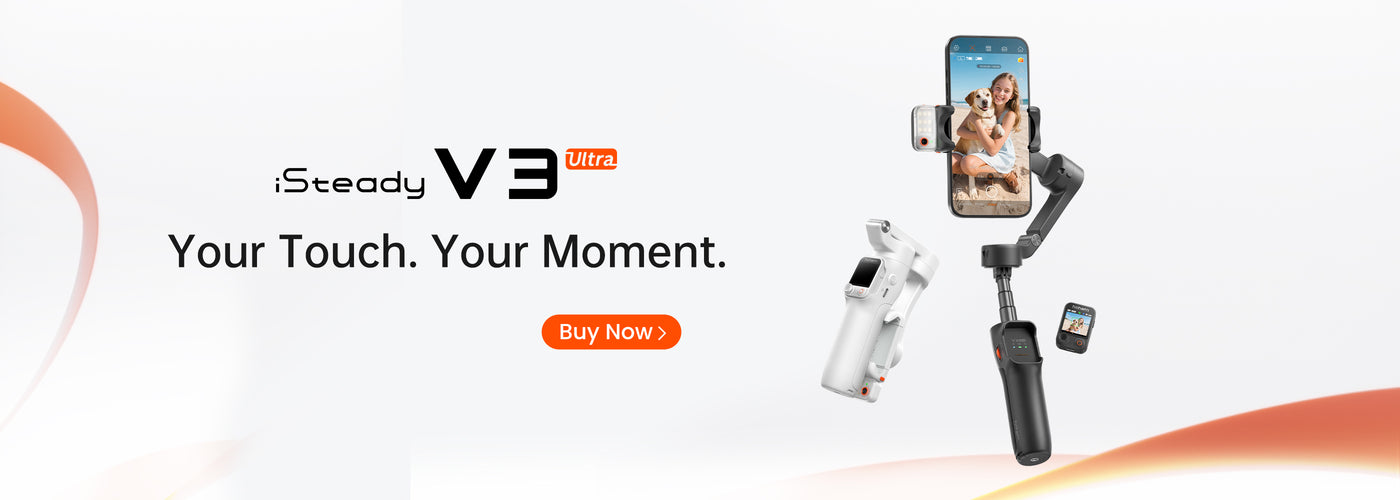
In the world of videography and photography, achieving that cinematic look can often feel like an elusive goal. One essential tool that many professional videographers and filmmakers rely on to create smooth, dynamic footage is the camera gimbal. These devices are designed to stabilize your camera, allowing you to shoot with fluidity and precision, even in the most chaotic environments. In this comprehensive guide, we will explore the importance of camera body gimbals, their types, how to use them effectively, and recommendations for the best models on the market.

What is a Camera Gimbal?

A camera gimbal is a device that uses motors and sensors to stabilize a camera while filming. They come in several forms, including handheld, drone-mounted, and those used with other kinds of equipment. The primary function of a gimbal is to prevent unwanted vibrations and movements that can ruin video quality. By keeping the camera steady, gimbals allow filmmakers to deliver smooth footage that looks professional and engaging.

Why Use a Gimbal?

When filming, even the slightest impact from walking or shifting weight can cause shaky footage. This is particularly true when shooting with larger camera bodies or lenses. Here are some reasons why using a gimbal can significantly enhance your filming:

  • Stability: Gimbals provide a level of stability that is difficult to achieve with handheld footage. This stability enables smoother pans, tilts, and tracking shots.
  • Versatility: Many gimbals come equipped with various operational modes, such as follow mode, lock mode, and pan follow. These modes grant users greater creative control.
  • Ease of Use: With a gimbal, even beginners can produce high-quality footage that appears professionally crafted.
  • Increased Creativity: The smoother operation allows filmmakers to experiment with more dynamic shots, such as walking while filming or following subjects closely without noticeable jitters.

Types of Gimbals

Understanding the different types of gimbals can help you choose the right one for your specific needs:

1. Handheld Gimbals

Handheld gimbals are perhaps the most popular type among indie filmmakers and content creators. They are lightweight and portable, making them ideal for shooting on the go. Handheld gimbals cater to a range of devices from smartphones to heavier DSLRs.

2. Drone-Mounted Gimbals

If you're planning to shoot aerial footage, a drone-mounted gimbal is essential. These gimbals are specifically designed to stabilize cameras during flight, which can be much more challenging due to wind and motion.

3. Gimbals for Stabilized Sliders

These gimbals work in conjunction with sliders to create smooth, linear movements. They are perfect for product shots or any scenario where a slow transition is necessary.

How to Use a Gimbal Effectively

To maximize the advantages of a gimbal, proper usage and technique are vital. Here are some tips for effective gimbal operation:

  1. Balance the Camera: Before shooting, make sure your camera is balanced on the gimbal. Proper balancing reduces the strain on the motors and improves stabilization.
  2. Choose the Right Mode: Familiarize yourself with the different modes of your gimbal. Whether it's full lock, follow, or pan modes, knowing when to use each can drastically improve your shots.
  3. Practice Your Movements: Smooth movements translate directly to cleaner footage. Practice walking or moving with the gimbal to learn how to fluidly transition between shots.
  4. Use a Follow Focus: For more cinematic results, consider combining your gimbal use with a follow focus system to keep subjects sharp while in motion.
  5. Review Your Footage: Regularly check the footage you’re capturing. Analyzing your work allows you to understand areas of improvement, whether it's in movement or shot composition.

Top Gimbals on the Market

As the camera gimbal market grows, several standout models cater to different needs. Here are some of the top-rated gimbals available today:

1. DJI Ronin-S

The DJI Ronin-S is a versatile gimbal that supports a range of DSLRs and mirrorless cameras. It offers solid stabilization and excellent build quality, making it a favorite among professionals. Its ease of use and customizable settings help filmmakers achieve their unique visual style.

2. Zhiyun Crane 2

The Zhiyun Crane 2 stands out for its robust payload capacity and intuitive controls. Its focus pull and zoom capabilities allow for excellent control over the shot, making it perfect for more advanced users.

3. Moza AirCross 2

This gimbal is affordable and highly portable, making it a great option for those on a budget. With multiple modes and a weight of only 1.5 kg, the Moza AirCross 2 provides both flexibility and convenience.

Common Mistakes to Avoid

Even experienced users can make mistakes when using a gimbal. Here are some common pitfalls to avoid:

  • Ignoring Balance: Skipping the balancin process can lead to wonky footage and cause the motors to strain.
  • Overextending the Battery Life: Always ensure you have extra batteries on hand, especially for long shoots. A dead battery can ruin your entire day of filming.
  • Incorrect Settings: Familiarize yourself with the settings before heading out. Incorrect configurations can lead to jerky, unstable footage.

Final Thoughts

Utilizing a camera body gimbal can be a game-changer for anyone serious about videography. With the ability to create smooth, professional-quality footage, gimbals allow users to explore the more creative aspects of their shooting—transforming ordinary scenes into captivating visual narratives. Whether you choose a handheld device, a drone gimbal, or a combination of both, investing in this essential tool can radically elevate your production quality and storytelling capabilities.