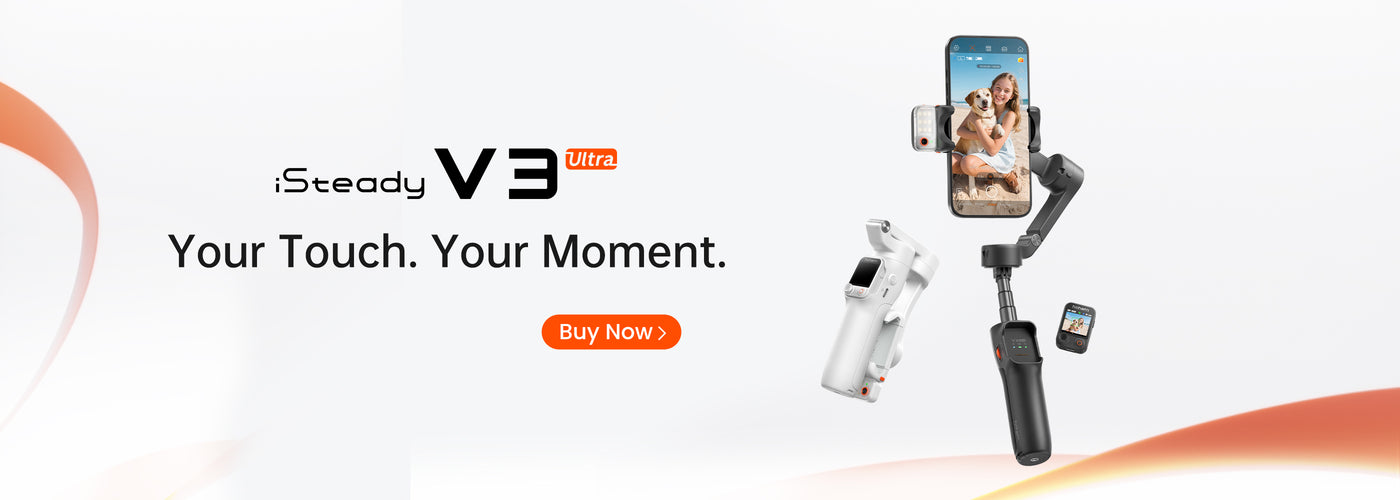
In the age of social media and video content creation, capturing stunning visuals has become paramount. Whether you're a budding filmmaker, a social media influencer, or just someone who wants to document life's moments beautifully, having the right gear is essential. One of the key tools that can elevate your video production quality is a gimbal. In this article, we'll delve into the world of gimbal cameras and phone stabilizers, exploring their functionalities, advantages, and the best products available in the market.

Understanding Gimbal Technology

A gimbal is a pivoted support that allows the rotation of an object about a single axis. In the context of cameras and smartphones, gimbals stabilize the device, helping to eliminate shakes and jitters that often occur during recording. This stabilization is critical, as shaky footage can be distracting and unprofessional. Gimbals come equipped with motors and sensors that detect motion, counteracting it in real time, giving you smooth and steady footage.

The Importance of Stability in Videography

Imagine watching a film where the camera shakes uncontrollably every time the subject moves. It’s jarring, isn’t it? Stability is crucial not just for professional productions but for personal recordings as well. With platforms like YouTube and Instagram prioritizing high-quality content, having a gimbal can set your videos apart from the average handheld shots. Stability improves the viewer's experience, allowing them to focus on the story rather than the shakes.

Types of Gimbals

Gimbals come in various shapes and sizes, designed to cater to different filming needs. Let’s break down the primary types:

1. Handheld Gimbals

These are the most common type, typically used to stabilize DSLR and mirrorless cameras. They come equipped with three axes of stabilization, allowing for fluid motion in any direction. Handheld gimbals are ideal for filmmakers who require mobility while shooting.

2. Smartphone Gimbals

Smartphone gimbals have revolutionized the way people create videos using their phones. Compact and user-friendly, these gimbals are perfect for content creators who want to shoot high-quality footage without the bulk of professional gear. Most smartphone gimbals also offer features like tracking modes and various shooting modes to enhance creativity.

3. Action Camera Gimbals

Designed for robustness, action camera gimbals can withstand outdoor elements and rugged conditions. They are ideal for adventure filmmakers who shoot action-packed scenes. Some gimbals even come with a waterproof casing, ensuring they can function in any environment.

Choosing the Right Gimbal

When selecting a gimbal, consider several factors:

1. Payload Capacity

Ensure the gimbal can support the weight of your camera or smartphone. Check specifications carefully, especially if you plan on using additional accessories like microphones or lights.

2. Battery Life

Battery life is essential for extended shooting sessions. Look for gimbals with long battery life, or those that allow for external charging.

3. Features and Settings

Advanced features like Follow Mode, Pan Mode, and the ability to control movement through your smartphone can add to your creative arsenal. The more features a gimbal has, the more versatile it can be for different shooting scenarios.

4. Price

Gimbal prices can range widely. Determine your budget upfront and find a balance between price and the features you need. Brands like DJI, Zhiyun, and FeiyuTech offer options at various price points.

Top Gimbal Recommendations

1. DJI Ronin-S

The DJI Ronin-S is a favorite among filmmakers, known for its excellent stabilization and capacity to hold larger camera setups. It comes with an intuitive touchscreen and multiple shooting modes, making it a top choice.

2. Zhiyun Smooth 4

The Smooth 4 is tailored for smartphone users. It offers a compact design, impressive stabilization, and an array of creative features, including time-lapse and object tracking, perfect for social media creators.

3. FeiyuTech G6 Max

This gimbal provides versatility, supporting cameras, smartphones, and action cameras. Its waterproof capability makes it suitable for adventure shoots, ensuring stability in wet conditions.

Gimbal Usage Tips

Here are some practical tips for maximizing your gimbal's potential:

1. Calibrate Your Gimbal

Always calibrate your gimbal according to your camera's weight and settings for optimal performance.

2. Use Smooth Movements

While the gimbal does the heavy lifting, your movements should still be smooth. Practice moving in a deliberate manner to maintain fluidity in your shots.

3. Explore Different Angles

Don't be afraid to experiment with different angles, such as low shots or high-angle shots. Gimbals are designed to assist in capturing unique perspectives.

4. Master the Controls

Understanding the controls of your gimbal can lead to quicker adjustments during shoots, allowing your creativity to flow without interruption.

The Future of Gimbals and Video Production

As technology continues to advance, we can expect to see more innovations within the world of gimbals and stabilization. Features like AI tracking, improved sensor technology, and app integrations will make capturing smooth footage even more accessible. Whether you're a casual user or a professional, staying informed about these developments will help you utilize your gimbal to its fullest potential.

Final Thoughts

Gimbals are a game-changer in video production, allowing creators to capture stunning, stable shots effortlessly. Whether you're using a high-end camera or your smartphone, investing in a gimbal can significantly enhance your videography skills. With the right knowledge, selection, and technique, anyone can create cinematic masterpieces worth sharing with the world. As you venture into the realm of gimbals, remember that practice makes perfect—so get out there, film, and let your creativity shine!