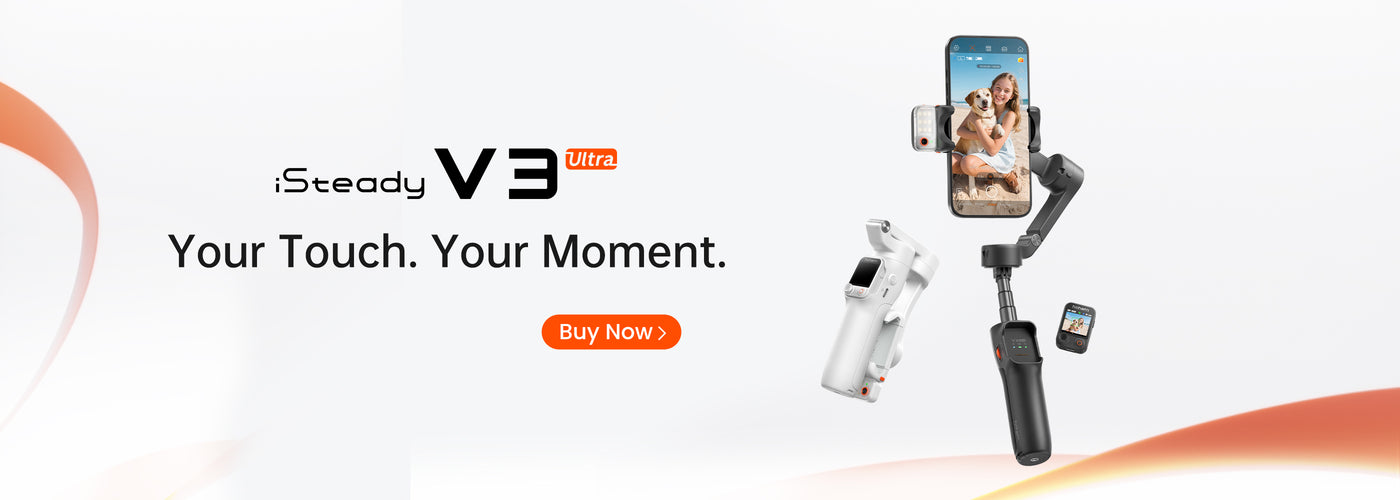
Choosing the right camera stabilizer can be overwhelming, especially with the plethora of options available today. Whether you're a seasoned videographer or a passionate content creator, having a good stabilizer can dramatically enhance the quality of your videos. In this article, we will explore the various types of camera stabilizers available on the market, their features, and which one might be the best fit for your specific needs.

Understanding Camera Stabilizers

Camera stabilizers are devices designed to minimize camera shake and allow for smooth video capture. They come in various forms, including handheld gimbals, shoulder rigs, and steadicams. All these tools serve the same purpose: to produce stable, high-quality footage, but they achieve this in different ways. Understanding these differences is crucial to making the right purchase.

Types of Camera Stabilizers

1. Gimbals

Gimbals employ a system of motors and sensors to keep the camera steady, even through the most dynamic movements. They are especially popular for DSLRs and mirrorless cameras due to their ease of use and the flexibility they provide to videographers. When choosing a gimbal, you should consider factors like weight capacity, battery life, and the features included such as follow focus and object tracking.

2. Shoulder Rigs

Shoulder rigs provide stability by distributing the weight of the camera across the operator's body. They are advantageous for long shoots where the user needs to maintain comfort while capturing video. Look for shoulder rigs that allow for adjustability to fit different body sizes and shooting styles.

3. Steadicams

Steadicams use a complex series of mechanical balancing techniques to keep the camera stable. They require practice and skill to operate effectively but can provide cinematic-quality stabilization. If you’re looking for a stabilizer that can be adapted to a variety of shooting situations, this might be a suitable choice.

4. Handheld Stabilizers

Handheld stabilizers are simpler devices that allow you to manually balance your camera but rely more on the operator's skill to maintain stability. These are often less expensive and more portable, making them a good option for beginner filmmakers or those on a budget.

Factors to Consider Before Buying a Stabilizer

Before making a purchase, it’s crucial to evaluate several factors that can affect your shooting style and budget.

1. Camera Compatibility

Ensure that the stabilizer you are considering is compatible with your camera, whether it’s a DSLR, mirrorless, or compact camera. Each stabilizer has specific weight limits and mounting options, so double-check those specifications.

2. Weight Capacity

Understanding the weight capacity of the stabilizer is essential to ensure stable operation. If your camera and lens together exceed the stabilizer's weight limit, you won't achieve the smooth footage you're looking for.

3. Battery Life

For electronic gimbals, battery life is a vital consideration. Long shoots may require additional battery packs or a stabilizer with extended battery life to ensure that you can shoot for an entire event without interruption.

4. Portability

If you often shoot on the go, consider a stabilizer that is lightweight and easy to transport. Some stabilizers come with travel cases or are foldable, making them easy to carry in your bag.

Top Camera Stabilizers Reviewed

Now that you understand what to look for in a camera stabilizer, let’s review some of the top models available in the market today.

1. DJI Ronin-S

The DJI Ronin-S is a handheld motorized gimbal renowned for its performance and build quality. With a 3.6 kg payload, it can support most DSLR and mirrorless cameras. The Ronin-S also features intelligent shooting modes such as ActiveTrack and Time-lapse, making it a versatile tool for filmmakers.

2. Moza Air 2

The Moza Air 2 is another powerful option supporting up to 4.2 kg. It offers 12-hour battery life and an array of customizable features for creative control. Its intuitive controls and ergonomic design make it suitable for both beginners and experienced users.

3. Glidecam HD-2000

If you’re looking for a mechanical stabilizer, the Glidecam HD-2000 is a solid choice. It's great for those who prefer to avoid the complexities of electronic stabilizers. The Glidecam provides smooth, professional-quality shots but does require some practice to master.

4. Zhiyun Crane 2

The Zhiyun Crane 2 is known for its impressive stability and easy setup. Compatible with a wide range of cameras, it features a follow focus system for added control. With a payload capacity of 3.2 kg, it's suitable for most small to mid-size camera setups.

Where to Buy

Once you’ve identified the right type of stabilizer for your needs, consider where to buy. Popular retailers like Amazon, Best Buy, and dedicated camera stores often have a variety of options available. Shopping around can help you get the best deal, especially during sales periods.

Additional Tips for Using Camera Stabilizers

Having the right stabilizer is just the first step. Here are some additional tips to ensure you maximize your stabilizing gear:

1. Master the Techniques

Practice is key. Spend time getting familiar with your stabilizer and learning how to operate it effectively. Watching tutorials can help you understand its full potential.

2. Maintain Your Gear

Regularly check and maintain your stabilizer. Ensure the motors are functioning correctly, and all bolts and screws are secure. Proper care will extend the life of your equipment.

3. Explore Different Shooting Styles

Experiment with different shooting techniques. Moving in different directions, adjusting your speed, and changing your grip can yield unique results. Creativity is limitless with the right tools at your disposal.

Final Thoughts

Your journey into the world of video production can be significantly improved by investing in a reliable camera stabilizer. By carefully considering your options and needs, you can select a stabilizer that enhances your footage and helps bring your creative vision to life. Remember to balance your budget with the quality and features you require, and don’t hesitate to conduct thorough research before making a purchase. With the right stabilizer, your video projects are sure to shine!