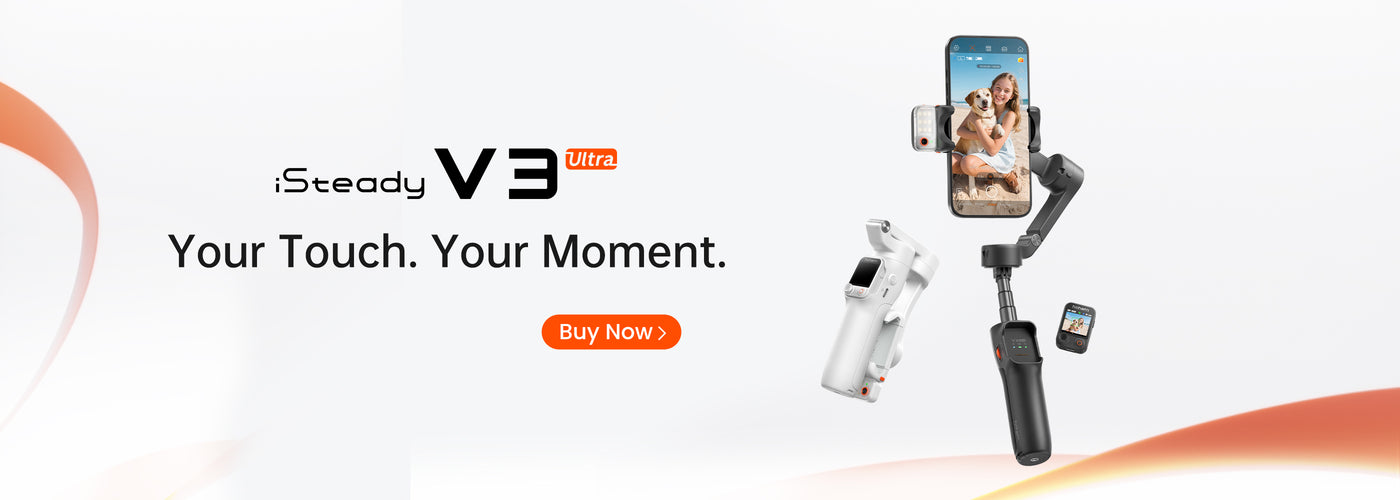
In the ever-evolving realm of photography, technology has played a pivotal role in shaping the way we capture stunning visuals. Among the most significant advancements are drones equipped with gimbals, which have transformed aerial photography and videography. But what exactly is a drone gimbal, and why is it so crucial for filmmakers, photographers, and hobbyists alike? In this article, we will dive deep into the concept of drone gimbals, their functionality, types, and the notable advantages they bring to the table.

Defining a Drone Gimbal

A gimbal is a pivoted support that allows the rotation of an object about a single axis. In the context of drones, a gimbal is a mechanism that stabilizes a camera, allowing it to remain level and balanced while the drone moves. The primary purpose of a drone gimbal is to eliminate unwanted shakes and jitters during flight, ensuring that the footage is smooth and professional-looking.

How Do Drone Gimbals Work?

The core technology behind a drone gimbal is its ability to sense changes in orientation. Most gimbals use a series of motors and sensors to counteract any movement of the drone. Here's a brief breakdown of how they work:

  • Gyroscopes: These sensors detect the orientation and rotation of the gimbal in real-time.
  • Accelerometers: These sensors help determine the speed and direction of the drone's movement.
  • Brushless Motors: These motors adjust the gimbal's position based on the data received from the sensors, maintaining a stable view regardless of the drone's movements.

The synergy of these components enables the gimbal to react swiftly to any jerks or fluctuations, guaranteeing that the camera remains steady, capturing fluid and seamless footage.

Types of Drone Gimbals

There are primarily three types of drone gimbals, each catering to different needs and operational capabilities:

1. 2-Axis Gimbals

A 2-axis gimbal stabilizes the camera in two directions: pitch (up and down movement) and roll (side to side tilt). While it does an excellent job of minimizing camera shake in these two orientations, it does not stabilize the yaw (rotation around the vertical axis), resulting in more limited stabilization.

2. 3-Axis Gimbals

3-axis gimbals provide comprehensive stabilization by managing pitch, roll, and yaw, allowing for smooth footage even during quick movements or changes in direction. Most modern drones, especially those designed for professional use, come equipped with 3-axis gimbals due to their superior stabilization capabilities.

3. Mechanical Gimbals vs. Electronic Gimbals

While mechanical gimbals rely on precise mechanics for stabilization, electronic gimbals utilize motors and software. Electronic gimbals typically offer advanced features such as customizable stabilization modes and various shooting angles, making them popular among professional filmmakers.

The Importance of a Good Gimbal

A quality gimbal is vital for anyone serious about aerial photography or videography. Here’s why:

Enhanced Image Quality

One of the main benefits of using a gimbal is improved image quality. Shaky footage can ruin a potentially stunning shot, making stabilization essential, particularly for cinematic projects where smooth transitions are a must.

Creative Flexibility

A gimbal allows pilots and operators to focus on creativity rather than worrying about stabilizing their shots. With smooth footage, creators can experiment with dynamic angles, fast-paced movements, and unique shots that require precision and stability.

Reduced Post-Production Work

With high-quality stabilization during shooting, there is less need for extensive editing in post-production to correct shaky footage. This saves time and enables creators to focus on other aspects of their projects.

Choosing the Right Gimbal for Your Drone

Selecting the right gimbal depends on various factors, including:

  • Type of Photography: Consider whether you will be filming landscapes, wildlife, events, or specific cinematographic projects. Each type may benefit from different gimbal features.
  • Weight Capacity: Ensure that the gimbal can handle the weight of your camera setup, including any additional equipment like lenses and filters.
  • Budget: Gimbals can vary significantly in price. Determine your budget and research options within that range.
  • User Experience: Some gimbals are easier to use than others. Choose one that aligns with your skill level and familiarity with drone operation.

Common Myths About Drone Gimbals

There are several misconceptions surrounding drone gimbals:

Myth 1: Gimbals Are Only for Professionals

While gimbals are essential for high-end filming, many consumer drones come with built-in stabilization features that can greatly enhance footage quality for beginners as well.

Myth 2: All Gimbals Are the Same

Not all gimbals offer the same level of stabilization or features. Investing in a high-quality gimbal specific for your needs can significantly impact the quality of your footage.

Myth 3: Gimbals Are Expensive

Prices vary widely, and while some high-end gimbals can be pricey, there are many affordable options that deliver excellent performance for personal use.

Future Trends in Drone Gimbals

The technology surrounding drone gimbals continues to advance, leading to exciting future possibilities:

  • AI Integration: With advancements in artificial intelligence, future gimbals might offer self-stabilization features based on intelligent motion detection.
  • Compact Designs: As technology improves, we can expect lighter, more compact gimbals without sacrificing stabilization quality.
  • Enhanced User Interfaces: Future gimbals may come equipped with advanced user interfaces for easier operation and adjustment of settings.

In today’s vibrant content creation landscape, drone gimbals stand out as vital tools for achieving high-quality, stabilized imagery. By understanding their function, types, and the significant advantages they provide, creators can elevate their art and produce stunning aerial visuals that capture their audience's attention like never before.